What are the different types of period problems?
Published 10 Sept 2018Watch time: 43 sec
Meets Patient’s editorial guidelines
Watch this video
Dr Sarah Jarvis MBE
For more information on periods and period problems, go to https://patient.info/health/periods-and-period-problems


Health and wellness video library
Periods and PMS videos
Our periods and PMS video hub breaks down everything you need to know — from what’s normal and what’s not, to common issues like cramps, heavy bleeding, and mood swings. You’ll also get clear, trustworthy information on PMS (premenstrual syndrome) and how it can affect your body and mind.
by Lawrence Higgins
Women's health
Periods and period problems
Starting to have periods is part of growing up. Periods start to occur around the same time as other changes happen to the body, such as starting to develop breasts or to grow pubic hair. The average age to start periods is 13 but it is normal to start at any time between the ages of 9 and 15. A small number of girls may start before or after this. Periods continue until the menopause which is usually around the age of 50 years.
by Dr Hayley Willacy, FRCGP
Women's health
Period pain
Most women have some pain during periods. The pain is often mild but, in about 1 in 10 women, the pain is severe enough to affect day-to-day activities. The pain can be so severe that they are unable to go to school or work. Doctors may call period pain 'dysmenorrhoea'. Period pain is one type of pelvic pain.
by Dr Doug McKechnie, MRCGP
Women's health
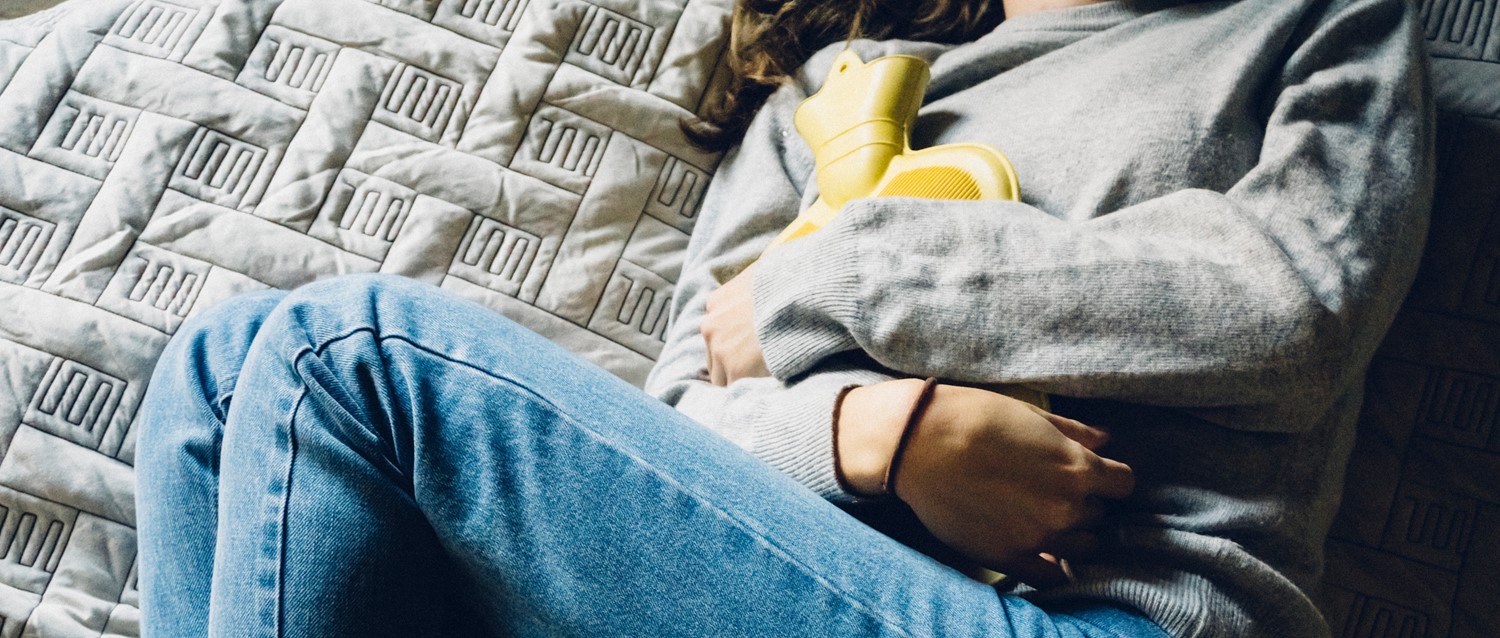
How much period pain is normal?
Most women will experience period pain at some point in their lives, which can range from a dull ache to sharp pains. For some, menstrual cramps can be managed with pain medications, but for other women, severe pain - known as severe dysmenorrhoea - can be debilitating and seriously impact their quality of life.
by Lydia Smith
Women's health
Why you should be tracking your period
New technology means it's easier than ever to keep track of your social life, work and even your health. Period tracking apps have grown in popularity in recent years, and for good reason. Keeping track of your menstrual cycle, whether on your phone or on paper, can enable you to understand your body, recognise symptoms and keep track of your fertility.
by Milly Evans
Women's health
How to manage your period in school
Most girls start their periods between 9 and 16 years old, and around half are dealing with them by age 12. This makes school a main setting for first periods, painful cramps, and heavy flows - all of which can be hard for girls to navigate without the right know-how. Our guide to periods at school is here to help get you or your child period-ready in the classroom. We explore tips and tricks to ease period pain and manage heavy periods, before asking if UK schools are doing enough to support hygienic and discreet period care.
by Amberley Davis
Share your thoughts or experiences with others in our patient communities.