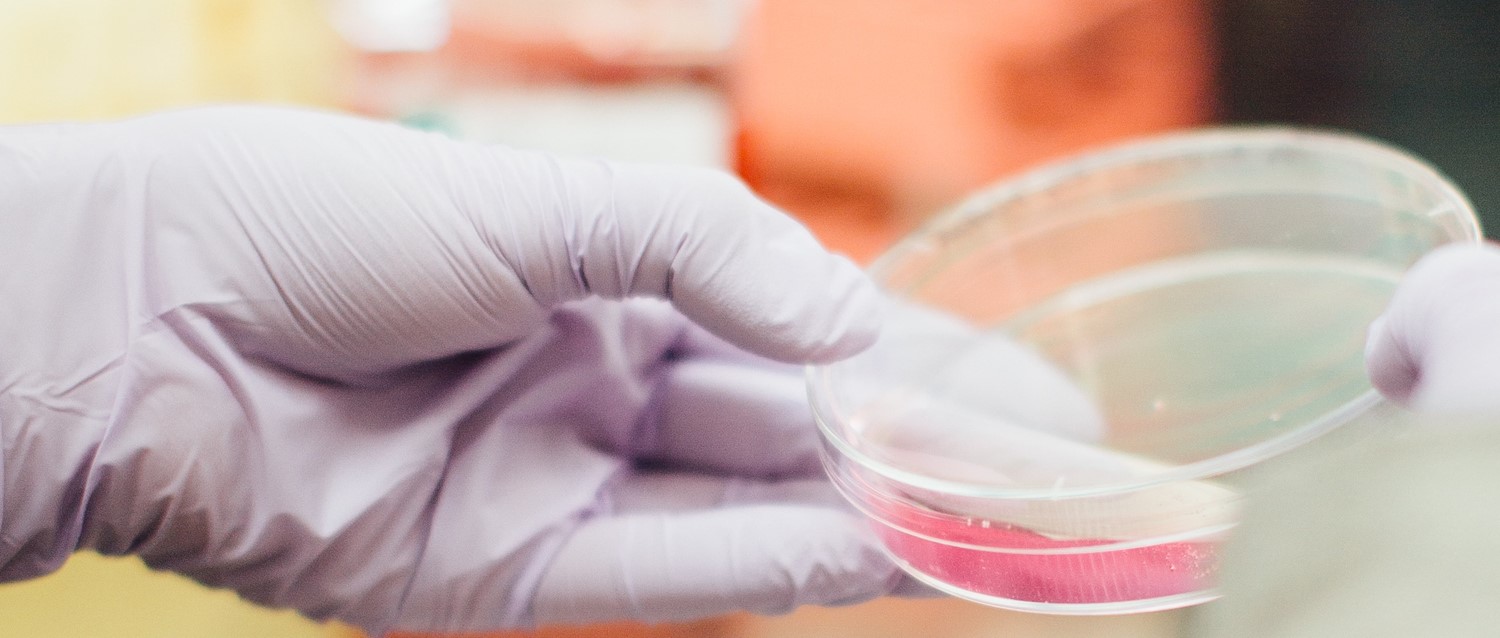
New blood test may detect aggressive prostate cancer
Peer reviewed by Joe CrowtherAuthored by Ashwin BhandariOriginally published 16 Sept 2019
Meets Patient’s editorial guidelines
- DownloadDownload
- Share
- Language
- Discussion
- Ask Patient
- Audio Version
- Add to preferred sources on Google
A new blood test has been found to accurately detect the presence of aggressive prostate cancer, according to research by Queen Mary University of London.
Looking for home psa testing?
Get expert healthcare advice from the comfort of home. Complete a quick online consultation, available 24/7, with your request reviewed by a UK-registered clinician. Next day delivery available on eligible treatments.

Video picks for Male cancerVideo library
By combining the current prostate specific antigen (PSA) test with the new test (the circulating tumour cell (CTC) test, this could help men avoid unnecessary and invasive biopsies, over-diagnosis and over-treatment.
Prostate cancer is currently detected using a blood test that measures PSA levels. Although it provides early diagnosis, 75% of all PSA positive results ending up with negative biopsies that do not find cancer.
The study, published in the Journal of Urology, looked at the use of the CTC test in almost 100 pre-biopsy patients and over 150 newly diagnosed prostate cancer patients at St Bartholomew's Hospital in London.
The research team found that the presence of CTCs in pre-biopsy blood samples was indicative of the presence of aggressive prostate cancer, and efficiently and non-invasively predicted the later outcome of biopsy results.
When the CTC tests were used in combination with the current PSA test, it was able to predict the presence of aggressive prostate cancer in other biopsies with over 90% accuracy.
The test could also show how aggressive the cancer is. Focusing on more aggressive prostate cancer may reduce overtreatment and unnecessary biopsies for benign and non-aggressive conditions.
Lead researcher Professor Yong-Jie Lu from Queen Mary University of London said: "The current prostate cancer test often leads to unnecessary invasive biopsies and over-diagnosis and over-treatment of many men, causing significant harm to patients and a waste of valuable healthcare resources. There is clearly a need for a better selection process for patients to undergo the biopsy procedure.
"Testing for circulating tumour cells is efficient, non-invasive and potentially accurate, and we've now demonstrated its potential to improve the current standard of care. By combining the new CTC analysis with the current PSA test, we were able to detect prostate cancer with the highest level of accuracy ever seen in any biomarker test, which could spare many patients unnecessary biopsies. This could lead to a paradigm shift in the way we diagnose prostate cancer," he added.
Due to the small sample size, the findings will need to be validated by further studies. However, researchers said the CTC test could be available on the NHS in as little as three years if successful.
Sara Hiom, Cancer Research UK's director of early diagnosis, said: "It's early days, so the next steps would be to study a larger number of people."
Patient picks for Male cancer

Cancer
Why are Black men more likely to die from prostate cancer?
Each year, about 52,000 men are diagnosed with prostate cancer in the UK. However, Black men are at higher risk of prostate cancer than other men. 1 in 4 Black men will get prostate cancer in their lifetime. This is double the 1 in 8 risk of other men.
by Emily Jane Bashforth

Cancer
What are the signs of prostate cancer?
In the UK, prostate cancer is the most common cancer in men and is responsible for 12,300 deaths a year. Depending on how the cancer cells grow, you may or may not develop noticeable signs of prostate cancer. To give yourself the best chance of diagnosis and survival, it's important to be aware of the key signs, and also to attend regular GP check-ups once you hit your forties.
by Lynn Stephen

Cancer
How accurate are prostate cancer tests?
Prostate cancer testing is heavily reliant on measuring prostate specific antigen (PSA) levels, which can give notoriously high false-positive results. But why is this – and how can doctors diagnose the disease more accurately?
by Abi Millar

Tests and investigations
PSA test
The PSA test (prostate specific antigen) is a blood test which assesses for the likelihood of prostate cancer. It is also used to monitor the treatment for prostate cancer. The PSA blood level can also be increased in other conditions. Having an increased PSA test result does not therefore mean that prostate cancer is the diagnosis. At the moment there is no national screening programme for prostate cancer in the UK but there are currently studies looking at whether screening would be appropriate for prostate cancer. The TRANSFORM randomised controlled trial is being planned to start during 2024. This will include a PSA test amongst others in assessing whether a prostate cancer screening programme is possible or appropriate.
by Dr Philippa Vincent, MRCGP

Cancer
Urine test for prostate cancer could reveal who needs urgent treatment
Scientists have developed a urine test to identify men who are most likely to need treatment after being diagnosed with early prostate cancer.
by Ashwin Bhandari
Tests and investigations
Blood tests
The main reasons to know your blood group are if you need to have a blood transfusion or if you are pregnant. You cannot request a blood test just to know your blood group on the NHS.
by Dr Hayley Willacy, FRCGP
About the authorView full bio
Authored by

Ashwin Bhandari
Medical Writer
BA Journalism
About the reviewer

Joe Crowther
Share your thoughts or experiences with others in our patient communities.
Sign up to the Patient newsletter
Your weekly dose of clear, trustworthy health advice - written to help you feel informed, confident and in control.
By subscribing you accept our Privacy Policy. You can unsubscribe at any time. We never sell your data.