Can a new bed improve your insomnia?
Peer reviewed by Dr Sarah JarvisAuthored by Danny ChadburnOriginally published 27 Sept 2017
Meets Patient’s editorial guidelines
- DownloadDownload
- Share
- Language
- Discussion
- Ask Patient
- Audio Version
- Add to preferred sources on Google
One in five of us sleep badly most nights but rather than blaming work worries or drinking too much coffee, did you know your bed could be causing your insomnia?
Explore support for sleep difficulties
Get expert healthcare advice from the comfort of home. Complete a quick online consultation, available 24/7, with your request reviewed by a UK-registered clinician. Next day delivery available on eligible treatments.

Video picks for Sleep and insomniaVideo library
Research has found that swapping an uncomfortable old bed for a new one could give you an extra 42 minutes sleep a night. ‘If you’re getting aches and pains, and waking up in the night because your bed is uncomfortable, it’s time to get a new one,’ says Rachel McGuinness, a sleep expert and CBTI (cognitive behavioural therapy for insomnia) therapist.
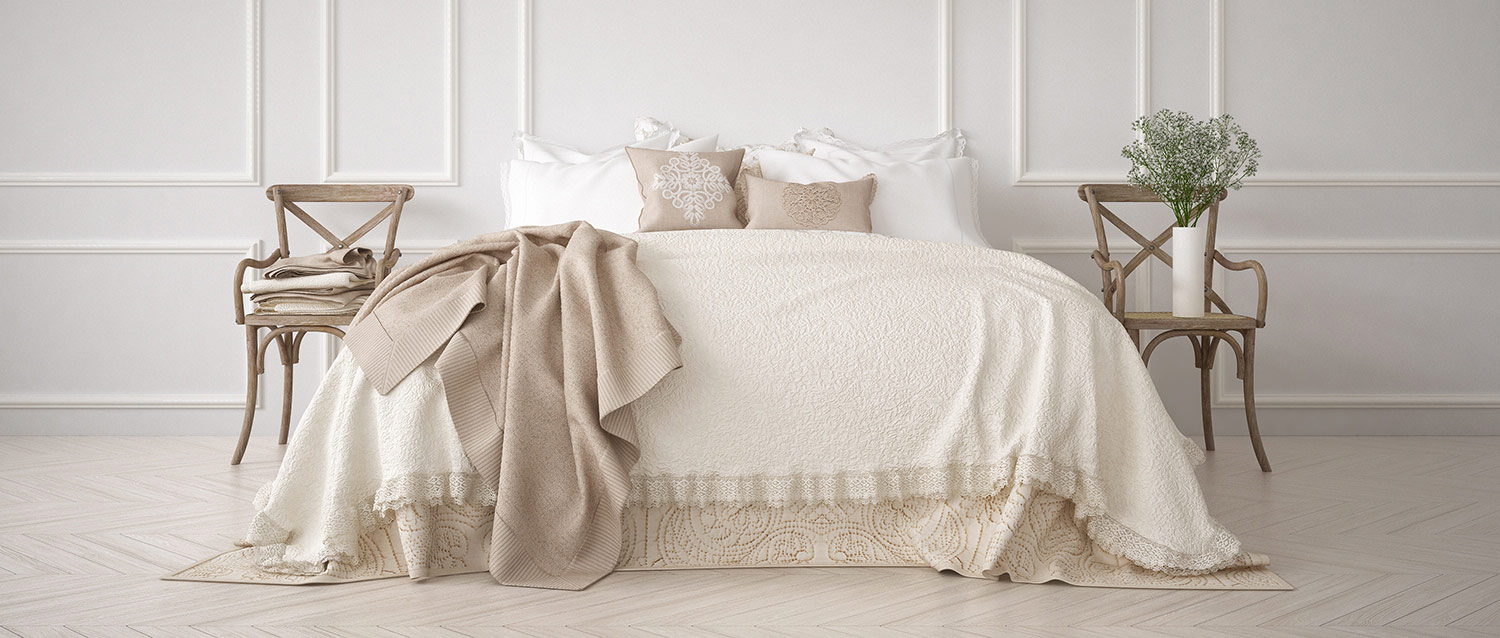
Finding the right mattress – not to mention a duvet, pillows and bed linen – can all add up to a great night’s sleep. Follow our guide to buying the best new bed for you (and whoever you’re sharing it with).
What sort of mattress is best?
It’s recommended that we buy a new mattress every seven to 10 years. These days, there’s an overwhelming range to choose from: futon, spring, memory foam and more. ‘It really is personal preference which kind of mattress you go for,’ says McGuinness. ‘But it has to be comfortable.’
Test out any potential mattress properly before buying. The Sleep Council says we spend less than two minutes trying out a new mattress, even though we spend around 3,000 hours lying on one every year. McGuinness says, ‘When you go into a bed store, lie down on the mattress in the same position you normally sleep in – on your back, side or front. Give it some time (around 10 minutes) to discover if it is comfortable or not.’
Some mattress companies – including Leesa, Simba and eve – now offer a 100-day sleep trial to make sure you are 100% comfortable.
Some people may want to give memory foam mattresses a miss, such as menopausal women suffering from night sweats. There is some evidence that memory foam traps heat in around the body, raising your temperature. Your body temperature naturally drops at night but if you’re too warm, this can make sleep less likely.
‘A lot of the new varieties of memory foam mattress have changed their materials, so this should help,’ says McGuinness. ‘Or you can just add a memory-foam topper to your normal mattress for extra comfort.’
Does the bed frame matter?
If you’re investing in a new mattress, it makes sense to upgrade the frame at the same time. The Sleep Council warns that an old base could ‘reduce the useful life’ of the new mattress.
Whether you go for a divan, wooden frame, sleigh style or storage bed, it needs to feel comfortable for you. ‘But I draw the line at those beds where the TV comes out of the end. It’s not good sleep hygiene to fall asleep watching TV,’ says McGuinness.
What about the duvet?
Although it feels great snuggling into a thick duvet, if it’s too warm, it can disturb your sleep. And if your partner prefers a thick duvet but you’re always throwing back the covers, this can cause both sleep and relationship problems.
One solution could be a wool duvet. Researchers from the University of Leeds discovered a wool duvet helps regulate our temperature better than feather, down or polyester bedding. They say wool fibres wick moisture away from our bodies more efficiently, helping maintain a ‘microclimate’ around each person.
If your bed is big enough, you could have separate duvets. Check the tog rating on your duvet too – the lower the rating, the cooler it will be. Whether you go for a feather or synthetic duvet is purely a matter of choice and how much you can afford.
Test out a range of pillows when you’re buying a new duvet or mattress too. Again, it’s personal preference as to which type you choose but ‘you don’t have to spend a fortune to find one that’s comfortable,’ says McGuinness.
Should I invest in bed linen?
‘Buy the nicest sheets and pillow covers that you can,’ says McGuinness. ‘Your bed should be a comfortable place you want to spend time in – a key point for tackling insomnia.’
If you’re going for cotton, the general rule is higher the thread count, the better the quality. Polyester sheets, or a poly-cotton mix, will last longer but they’re not as breathable as cotton so you could wake up feeling clammy.
Although buying a new bed may feel expensive, a study by the University of Warwick found a good night’s sleep gives us the same mood boost as winning £120,000 on the lottery. When you put it like that, that new bed is worth every penny.
Patient picks for Sleep and insomnia

Mental health
Is your house haunted? The science behind sleep paralysis
Have you ever woken in the middle of the night, certain there’s someone standing at the end of your bed, but found yourself unable to move or call for help? Perhaps you’ve sensed a dark figure in the corner of your room, felt pressure on your chest, or heard strange noises that seem to come from nowhere. It might sound like the plot of a classic ghost story. But there’s a scientific explanation for these frightening experiences - sleep paralysis. With Halloween approaching, we explore what happens during sleep paralysis, why some people see or sense a presence in their bedroom, and what you can do to reduce the chances of it happening again.
by Thomas Andrew Porteus, MBCS

Healthy living
Insomnia
As many as one in three people can have some difficulty with sleeping. However, there are many things you can do to help yourself. This leaflet aims to show you some of them. For example, simple things like winding down before bedtime, avoiding certain foods and drinks, and a bedtime routine can help. EDITORS NOTES Dr Krishna Vakharia, 24th November 2023 There is a new oral medication that NICE has recommended called daridorexant. This can only be used under certain conditions. Your doctor will discuss if it is suitable for you. For further information take a look at the further reading section.
by Dr Doug McKechnie, MRCGP

Healthy living
How to improve your sleep behaviour
Sleep is important for our wellbeing, and a lack of shut-eye can affect everything from performance at work to immune function. As one in five of us aren't getting enough sleep, we explore the best ways to improve sleep behaviour.
by Victoria Raw

Healthy living
CBT for insomnia: how does it work?
If you struggle to sleep at night, it may be that unhelpful thoughts, behaviours, and habits are causing the problem. These can be hard to change on your own - and that's where CBT for insomnia can help. This therapy teaches you how to change the way you think about your sleep problems, which can be the key to solving them.
by Amberley Davis

Healthy living
How to fix your sleep schedule with a healthy bedtime routine
A good sleep schedule helps you get the right amount of rest each night and stops you building up a 'sleep debt' that leaves you not feeling at your best. What makes a good sleep schedule, and how does a healthy bedtime routine help you to adopt one?
by Lawrence Higgins

Healthy living
Can hypnotherapy help insomnia?
Many people who experience frequent insomnia will try anything to get a good night's rest. For Sally Turner, the root of her sleep issues was sharing a bed with her partner. She gave hypnotherapy a go to see whether it could improve her sleep and overall well-being.
by Sally Turner
About the author
Authored by

Danny Chadburn
Head of Content
Danny was the previous Head of Content at Patient.
About the reviewerView full bio

Dr Sarah Jarvis
Clinical Consultant
MA (Cantab), BM, BCh (Oxon), DRCOG, FRCGP, MBE
After training in medicine at Cambridge and Oxford, Dr Sarah Jarvis MBE became a GP.
Share your thoughts or experiences with others in our patient communities.
Sign up to the Patient newsletter
Your weekly dose of clear, trustworthy health advice - written to help you feel informed, confident and in control.
By subscribing you accept our Privacy Policy. You can unsubscribe at any time. We never sell your data.