
Why regular STI checks are so important
Peer reviewed by Dr Sarah JarvisAuthored by Georgia GallantOriginally published 7 May 2019
Meets Patient’s editorial guidelines
- DownloadDownload
- Share
- Language
- Discussion
- Ask Patient
- Audio Version
- Add to preferred sources on Google
Conversations about sex are more open than ever, with a new sexual health and relationships curriculum to be made compulsory across English schools in 2020. Despite this, sexually transmitted infections (STIs) are on the increase. We ask the experts why it's so important to get checked regularly and how to tackle your fear of the result - whatever your age, gender or sexuality.
Explore chlamydia and gonorrhoea testing
Get expert healthcare advice from the comfort of home. Complete a quick online consultation, available 24/7, with your request reviewed by a UK-registered clinician. Next day delivery available on eligible treatments.

Video picks for Sexually transmitted infectionsVideo library
A recent report by Public Health England revealed that there were 422,147 diagnoses of STIs made in England in 2017, with reported increases of syphilis (20%) and gonorrhoea (22%) compared to the previous year.
"Regular sexual health screenings are important to maintain good sexual health, prevent transmission of STIs and ensure that any infections are treated as early as possible," explains Karin O'Sullivan, clinical lead at the sexual health charity FPA.
According to the report, the groups most at risk of contracting an STI are: young straight people (aged 15-24); black ethnic minorities; and gay, bisexual and other men who have sex with men.
However, it's not just younger people at risk as there are rising rates of STIs among the over-65s too. Even if you are postmenopausal, using a condom is the easiest way to prevent the spread of infection.
“Whatever your age, it's important to practise safe sex and get regular check-ups," O'Sullivan states.
How often should you get checked?
How often you need to get tested mostly depends on your relationship status and sexual activity. If you're in a committed long-term relationship there is marginally less need for regular testing.
"Most advice recommends that people have a sexual health screening at least once a year. However, if you don't have a regular partner and are having casual sex, it's advisable to get checked more often such as every three to six months," O'Sullivan suggests.
"Generally, getting checked between partners and before new relationships is a good idea," she notes.
Facing your fear
Common signs that you have an STI include abnormal discharge, bleeding, sores, ulcers or rashes, pain during sex or passing urine, and swollen glands in the groin.
However, these symptoms will not always be present. For instance, half of men and seven in 10 women affected by chlamydia don't have short-term symptoms - yet if untreated it could lead to debilitating pelvic inflammatory disease and fertility problems. Even if you don't exhibit any signs of an STI and you're having regular unprotected sex, it's important to remain vigilant.
"If you do exhibit any symptoms that could be an STI, you should get checked as soon as possible," O'Sullivan warns.
However, she admits that there are many reasons some people might be apprehensive about going for a sexual health screening.
"These can include nervousness about the results, worries about discomfort or pain during the check-up, the stigma of possibly being seen at a clinic by someone they know, sharing their sexual history, questions about their gender identity or sexuality, the trauma of past sexual violence and more."
But it's vital to remember that the staff are professionals. They see these cases every day and are trained to put you at ease if you need further explanation or comfort, so don't be afraid to ask questions or communicate any anxiety.
The most important thing is not to panic, and don't feel ashamed. STIs are extremely common and if dealt with quickly, many can be treated with complete success.
A lot of infections are passed on due to embarrassment of a partner finding out, which in the long run will do more harm than good.
"There are even services that can inform your sexual partners if you receive a positive result and do not feel able to tell them yourself," O'Sullivan reveals.
Remember you're not in this alone. She adds that: "Practitioners will also be able to direct you to pathways if you need more help, such as domestic abuse or sexual violence services."
What to expect
Sexual health screenings do not last long. Think of it as ten minutes of slight discomfort that could potentially relieve you (and others) from years of debilitating symptoms.
"You'll be talked through all processes thoroughly and can ask for a chaperone or someone to be with you for support if needed. All information shared between you will be kept confidential, in a non-judgemental environment," assures O'Sullivan.
If you don't feel comfortable going to a sexual health clinic, or you find it difficult to access these services in your area due to closures, there are many sites where you can order a free kit online in the UK. This is especially useful if you don't have any symptoms but would like a check-up.
Patient picks for Sexually transmitted infections

Sexual health
Why are STIs on the rise in older people?
Whilst STIs are on the rise in virtually every age group in the UK, there is a notable upwards trend in older people. Changing attitudes to sex and relationships and more casual sex among older age groups is contributing to a sexual health crisis.
by Milly Evans

Sexual health
Sexually transmitted infections
A sexually transmitted infection (STI) is an infection that can be passed from person to person when having sex. You can get an STI by having vaginal, oral, or anal sex. There are several different types of STI.
by Dr Hayley Willacy, FRCGP
Diabetes
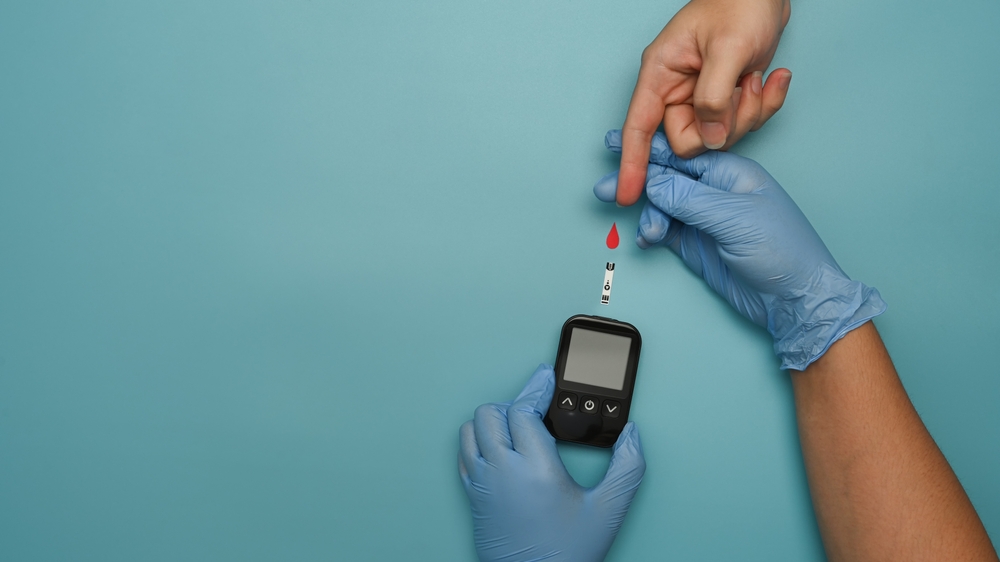
Why type 2 diabetes check-ups are so important
More than 4.9 million people are currently living with diabetes in the UK, around 90% of them with type 2. However, the disruption caused by the pandemic has led many people to stop getting routine type 2 diabetes check-ups - putting them at risk of serious health complications.
by Dr Sarah Jarvis

Infections
Why is there still stigma around HPV?
Most of the population will have HPV at some point, yet hardly any of us understand what it really is. And ongoing stigma, thanks to its ties to cancer and STIs, leaves people feeling worried and embarrassed following a diagnosis.
by Milly Evans

Podcasts
From bliss to blame
Have you ever found yourself thinking, ‘What on earth was I doing? This person is all wrong for me’, when only a few months ago they seemed perfect? How did that feeling of bliss when you’re finishing each other’s sentences and laughing at the same jokes turn to irritation, resentment and blaming them for everything that’s wrong? Clare and Aileen help you understand the natural cycle from falling-in-love bliss to relationship blame, why it happens, and how to navigate your way through it.
by Thomas Andrew Porteus, MBCS

Tests and investigations
Pregnancy screening tests
This leaflet discusses the routine pregnancy screening tests (antenatal checks) that should be offered to all pregnant women in the UK. These are screening and diagnostic checks that are done to find out if your baby has a health problem before they are born. Separate newborn screening tests are offered after your baby is born.
by Dr Rosalyn Adleman, MRCGP
About the authorView full bio
Authored by

Georgia Gallant
BA (Hons), MA
Georgia graduated from Bournemouth University with a BA (Hons) in Scriptwriting for Film and Television and an MA in Literary Media.
About the reviewerView full bio

Dr Sarah Jarvis
Clinical Consultant
MA (Cantab), BM, BCh (Oxon), DRCOG, FRCGP, MBE
After training in medicine at Cambridge and Oxford, Dr Sarah Jarvis MBE became a GP.
Article history
Article also available in English, German, Spanish, French, Italian, Portuguese, Hindi, Hebrew, Arabic, and Swedish.
7 May 2019 | Originally published
Authored by:
Georgia GallantPeer reviewed by
Dr Sarah Jarvis
Share your thoughts or experiences with others in our patient communities.
Sign up to the Patient newsletter
Your weekly dose of clear, trustworthy health advice - written to help you feel informed, confident and in control.
By subscribing you accept our Privacy Policy. You can unsubscribe at any time. We never sell your data.