anti-Mullerian hormone
Last updated 18 Aug 2020
Meets Patient’s editorial guidelines
- DownloadDownload
- Share
- Language
- Discussion
- Ask Patient
- Audio Version
- Add to preferred sources on Google
The AMH gene provides instructions for making a protein that is involved in male sex differentiation. During development of male fetuses, the AMH protein is produced and released (secreted) by cells of the testes. The secreted protein attaches (binds) to its receptor, which is found on the surface of Müllerian duct cells. The Müllerian duct, found in both male and female fetuses, is the precursor to the female reproductive organs. Binding of the AMH protein to its receptor induces self-destruction (apoptosis) of the Müllerian duct cells. As a result, the Müllerian duct breaks down (regresses) in males. In females, who do not produce the AMH protein during fetal development, the Müllerian duct becomes the uterus and fallopian tubes.
Video picks for GenesVideo library
Normal function
The AMH gene provides instructions for making a protein that is involved in male sex differentiation. During development of male fetuses, the AMH protein is produced and released (secreted) by cells of the testes. The secreted protein attaches (binds) to its receptor, which is found on the surface of Müllerian duct cells. The Müllerian duct, found in both male and female fetuses, is the precursor to the female reproductive organs. Binding of the AMH protein to its receptor induces self-destruction (apoptosis) of the Müllerian duct cells. As a result, the Müllerian duct breaks down (regresses) in males. In females, who do not produce the AMH protein during fetal development, the Müllerian duct becomes the uterus and fallopian tubes.
Conditions referring to this gene or chromosome
Other names
anti-Muellerian hormone
MIF
MIS
muellerian-inhibiting factor
muellerian-inhibiting substance
Mullerian inhibiting factor
Mullerian inhibiting substance
Patient picks for Genes

Men's health
Is 'male menopause' real?
Menopause is a natural stage of life that women go through as they age. During this time, their reproductive hormone levels fluctuate and gradually decline, causing a range of physical and emotional symptoms. But can men experience something similar? Often referred to as ‘male menopause’, hormonal changes as men get older can also affect their health and wellbeing. We explore the symptoms, causes, and science behind 'male menopause' and why it deserves more attention.
by Victoria Raw
Hormones
Insulin resistance: the common thread linking metabolic conditions
You may have come across the term “insulin resistance” - particularly if you’ve been having conversations about weight and metabolic health - but be a little unclear about what it actually is. Whilst it’s easy to think insulin resistance just means reduced glucose control, it’s actually far more complex than that. Dr Nienke Lees, Women's Health Service Lead, Genwell UK, explains what it means and how it connects conditions including type 2 diabetes, fatty liver disease, cardiovascular disease, and PCOS.
by Dr Nienke Lees

Digestive health
Acute pancreatitis
Acute pancreatitis is an inflammation of the pancreas that develops quickly. The main symptom is abdominal pain. It usually settles in a few days but sometimes it becomes severe and very serious. The most common causes of acute pancreatitis are gallstones and drinking alcohol above recommended limits.
by Dr Philippa Vincent, MRCGP

Hormones
Pituitary gland disorders
This leaflet gives a brief overview of the pituitary gland and the hormones it makes. The pituitary gland is found at the base of the brain and is 'pea-sized'. The pituitary gland is an overall controller of a number of other glands in the body, overseeing the function of these organs through hormones.
by Dr Hayley Willacy, FRCGP

Allergies, blood and immune system
Antiphospholipid syndrome
Antiphospholipid syndrome is sometimes called Hughes' syndrome. It is a disease that affects the blood and makes it more likely to clot than normal - a thrombophilia.
by Dr Toni Hazell, FRCGP

General health and lifestyle
Can a pharmacist prescribe antibiotics?
You may be unaware that some pharmacists can provide you with medicine for a range of health conditions. In this article, we break down which treatments they may be able to offer you.
by Victoria Raw
Related patient information and medicines
Patient information leaflet
Menopause
The test done in primary care is usually follicle stimulating hormone (FSH) which is raised in the menopause. Anti-Müllerian hormone is not tested for the diagnosis of the menopause and is mainly used in secondary care fertility clinics; GPs cannot usually request this blood test. Other blood tests or scans may be undertaken in some women, but.
Patient information leaflet
Osmolality, osmolarity and fluid homeostasis
As the osmolality goes up You get a desire to drink - thirst. The brain releases a hormone called antidiuretic hormone (ADH) (also known as arginine vasopressin (AVP)). ADH changes the way the kidneys react to blood flowing through them. The kidneys are c... Diuretic essentially means 'to make you pass urine', so antidiuretic hormone (ADH), as the.
Patient information leaflet
Acute pancreatitis
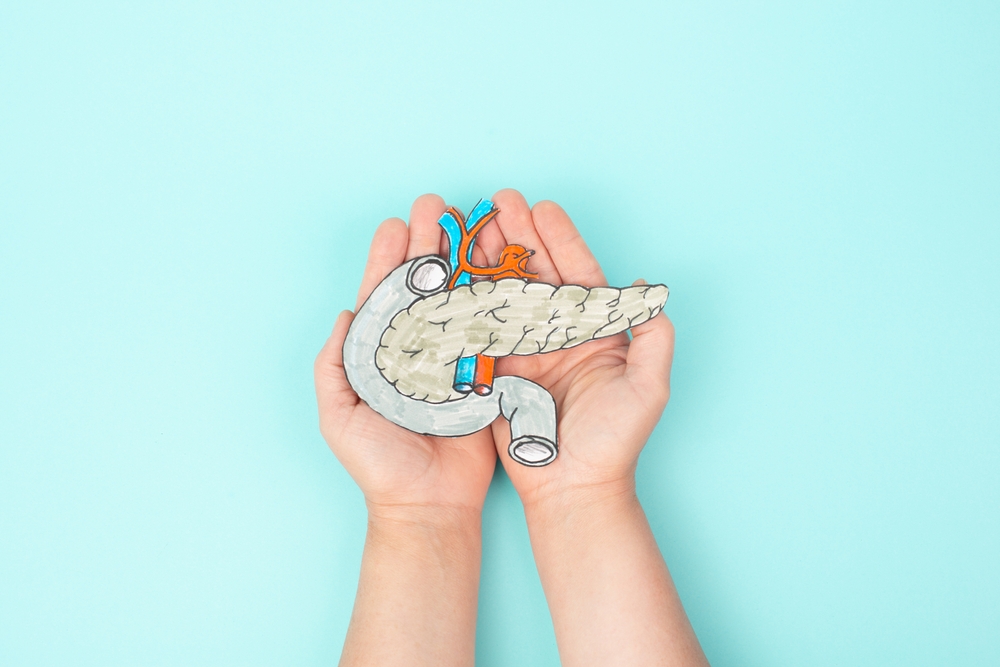
This drains the enzyme-rich f... The enzymes are in an inactive form in the pancreas (otherwise they would digest the pancreas). They are 'activated' in the duodenum to digest food. PatientPicksPlaceholder Groups of special cells called 'islets of Langerhans' are scattered throughout the pancreas. These cells make the hormones insulin and.

Patient information leaflet
Prostate cancer
What is prostate cancer? | Patient Explainers Most cases of prostate cancer develop in older men. Dr Krishna Vakharia , 16th October 2023 The National Institute for Health and Care Excellence (NICE) has recommended that a person should receive a diagnosis or ruling out of cancer within 28 days of being referred urgently by their GP for suspected.
Patient information leaflet
Pituitary gland disorders
This leaflet gives a brief overview of the pituitary gland and the hormones it makes. The pituitary gland is found at the base of the brain and is 'pea-sized'. The pituitary gland is an overall controller of a number of other glands in the body, overseeing the function of these organs through hormones. Some of the pituitary gland disorders.
Patient information leaflet
Antiphospholipid syndrome
Antiphospholipid syndrome is sometimes called Hughes' syndrome. It is a disease that affects the blood and makes it more likely to clot th... Antiphospholipid syndrome (APS) - also called Hughes' syndrome - makes blood more likely than normal to clot (a thrombophilia Thrombophilia ). The National Institute for Health and Care Excellence (NICE).
Further reading and references
- anti-Mullerian hormone; MedlinePlus, National Library of Medicine.
- Belville C, Van Vlijmen H, Ehrenfels C, Pepinsky B, Rezaie AR, Picard JY, Josso N, di Clemente N, Cate RL. Mutations of the anti-mullerian hormone gene in patients with persistent mullerian duct syndrome: biosynthesis, secretion, and processing of the abnormal proteins and analysis using a three-dimensional model. Mol Endocrinol. 2004 Mar;18(3):708-21. doi: 10.1210/me.2003-0358. Epub 2003 Dec 12.
- Josso N, Belville C, di Clemente N, Picard JY. AMH and AMH receptor defects in persistent Mullerian duct syndrome. Hum Reprod Update. 2005 Jul-Aug;11(4):351-6. doi: 10.1093/humupd/dmi014. Epub 2005 May 5.
- Josso N, Picard JY, Imbeaud S, di Clemente N, Rey R. Clinical aspects and molecular genetics of the persistent mullerian duct syndrome. Clin Endocrinol (Oxf). 1997 Aug;47(2):137-44. doi: 10.1046/j.1365-2265.1997.2411044.x. No abstract available.
- Rey R. Anti-Mullerian hormone in disorders of sex determination and differentiation. Arq Bras Endocrinol Metabol. 2005 Feb;49(1):26-36. doi: 10.1590/s0004-27302005000100005. Epub 2006 Mar 16.
Share your thoughts or experiences with others in our patient communities.
Simple access to trusted treatments and health services online.
Common conditions
Get help with common conditions through the NHS, without a GP appointment.





Sign up to the Patient newsletter
Your weekly dose of clear, trustworthy health advice - written to help you feel informed, confident and in control.
By subscribing you accept our Privacy Policy. You can unsubscribe at any time. We never sell your data.