amnion associated transmembrane protein
Last updated 9 Apr 2026
Meets Patient’s editorial guidelines
- DownloadDownload
- Share
- Language
- Discussion
- Ask Patient
- Audio Version
- Add to preferred sources on Google
The AMN gene provides instructions for making a protein called amnionless that spans the membranes of cells in the intestines and the kidneys. Amnionless helps the body absorb vitamin B12 (also called cobalamin) from food, which is important because the body cannot make this vitamin. Vitamin B12 is essential for the formation of DNA and for the chemical reactions that convert food into energy (energy metabolism). Vitamin B12 also plays a key role in making red blood cells and maintaining the nerve cells in the brain and spinal cord (central nervous system).
Video picks for GenesVideo library
Normal function
The AMN gene provides instructions for making a protein called amnionless that spans the membranes of cells in the intestines and the kidneys. Amnionless helps the body absorb vitamin B12 (also called cobalamin) from food, which is important because the body cannot make this vitamin. Vitamin B12 is essential for the formation of DNA and for the chemical reactions that convert food into energy (energy metabolism). Vitamin B12 also plays a key role in making red blood cells and maintaining the nerve cells in the brain and spinal cord (central nervous system).
Amnionless binds to another protein called cubilin to form a complex called the cubam receptor. In the small intestine, cubilin can interact with vitamin B12 while it is anchored to the cell membrane by amnionless.
During digestion, vitamin B12 binds to intrinsic factor, which helps the intestines absorb vitamin B12. Vitamin B12 and intrinsic factor then bind to cubilin as they pass through the small intestine. Amnionless helps transfer this whole complex into the intestinal cells. Vitamin B12 is then released into the blood and travels throughout the body. In the kidneys, amnionless and cubilin help return proteins to the bloodstream (reabsorption) that would otherwise be released in the urine.
Conditions referring to this gene or chromosome
Other names
amnionless
Patient picks for Genes
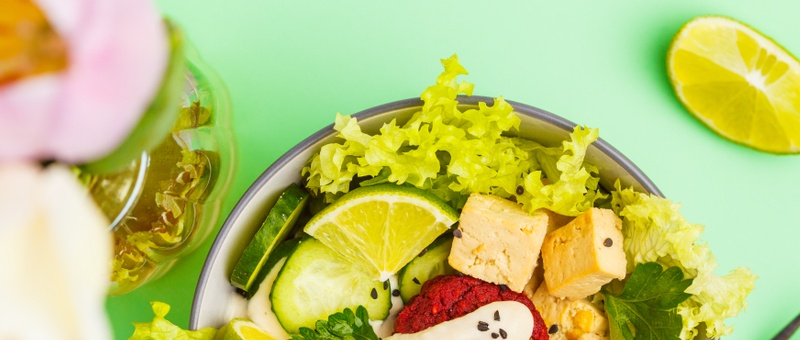
Diet and nutrition
10 sources of plant-based protein for bone health
Plant-based diets are growing in popularity. People choose this way of eating for various reasons - to boost their health, help animals, and protect the environment. But switching to a plant-based diet may mean you're missing out on vital, bone-friendly nutrients. One of these is protein.
by Victoria Raw

Diet and nutrition
How a protein-packed breakfast can boost your health
When we think of breakfast, we often picture a bowl of cornflakes with milk. While it’s a classic morning staple, it might not be the most effective way to start your day, as it lacks protein. Adding more protein to your breakfast can boost your energy levels and help keep you feeling full for longer.
by Victoria Raw
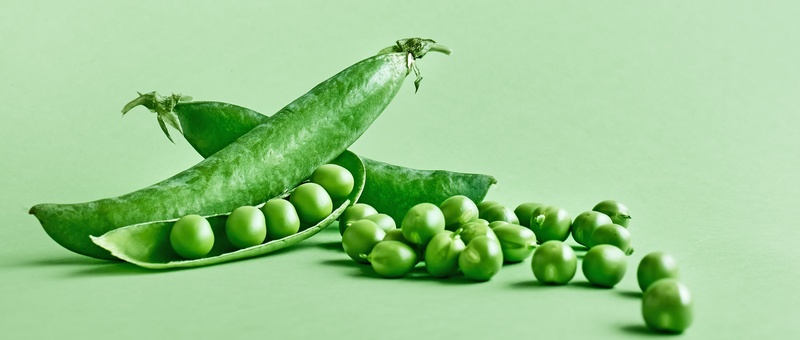
Diet and nutrition
Plant-based proteins could help prevent high blood pressure
Eating a greater amount of minimally processed plant-based proteins - such as beans, nuts and lentils - may lower your chance of developing high blood pressure, according to new research.
by Laura Williamson
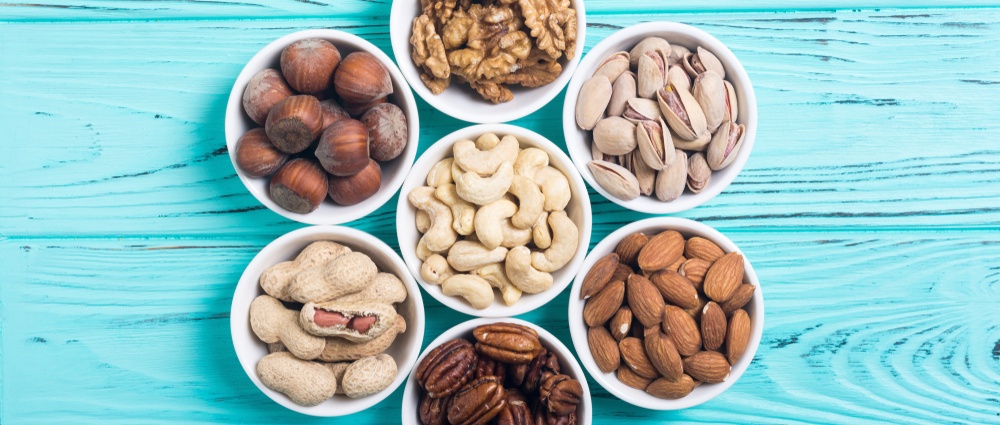
Healthy living
8 high-protein nuts to boost your strength
Packed with protein, delicious, easy to eat, and versatile - nuts are a great source of fuel for people building their fitness and strength. But not all nuts are created equal, which is why we count down the top eight nuts you should eat while strength training and serve these up with tasty recipe ideas.
by Lynn Stephen

Kidney and urinary tract
Proteinuria
Proteins are molecules that are found in almost every part of the body, including in the blood. The kidneys normally have a filter which stops protein from entering the urine, except in very tiny amounts; however, kidney problems can cause higher levels of protein to be found in the urine.
by Dr Doug McKechnie, MRCGP
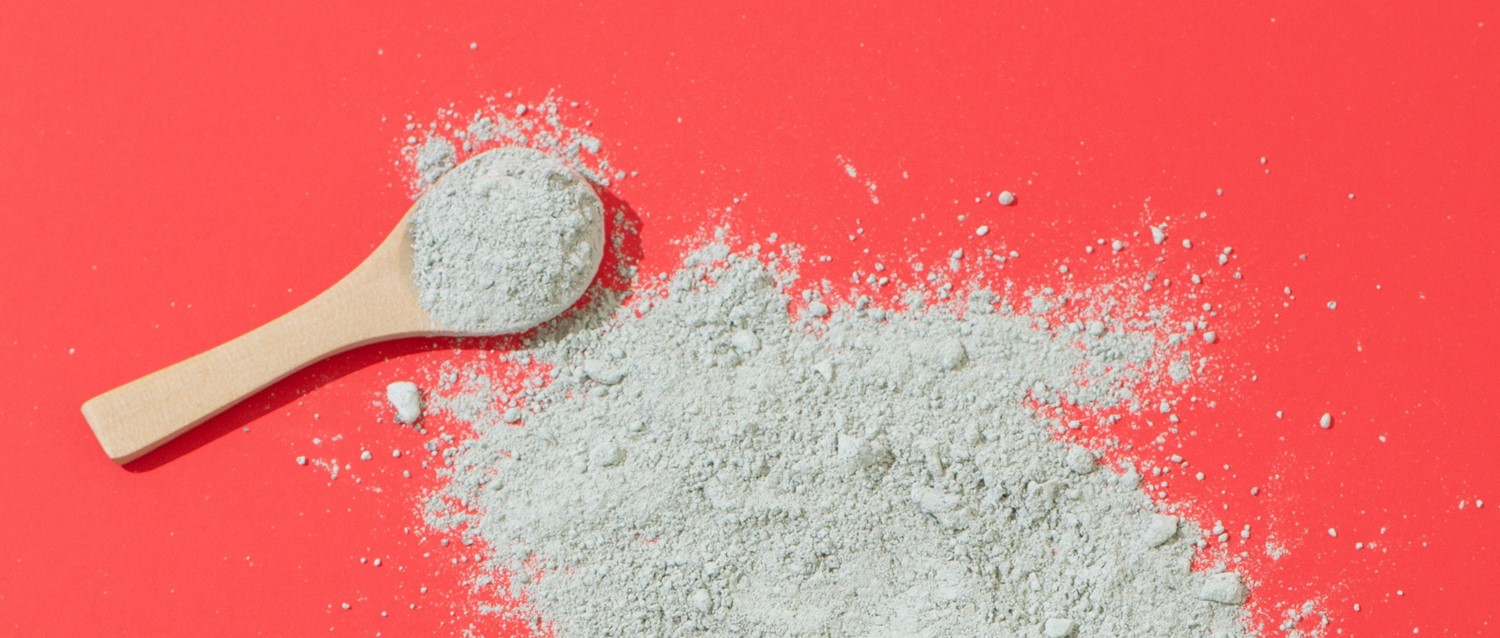
Healthy living
Natural protein verses protein powder: which is better for strength training?
Consuming enough protein is essential for building strong muscles. Protein powder shakes are not a complete replacement for natural protein sources found in your food. However, you may consider supplementing your diet and strength-training regime with protein shakes. Before you decide if this is right for you, there are several benefits and considerations to take into account.
by Amberley Davis
Related patient information and medicines
Patient information leaflet
Multiple pregnancy
Although your blood and your baby's blood do not actually mix with... The ball of cells now starts to form distinct areas, including a central group of cells (which will form your baby) and the outer cells which will form the amniotic sac (membranes). The membranes have two layers - an inner lining (called the amnion) and an outer lining (called.

Patient information leaflet
Glycogen storage disorders
Glycogen storage disorders are a group of inherited diseases. They result from a problem with one of the proteins (known as enzymes) involved in the conversion of glucose to glycogen, or the breakdown of glycogen back into glucose. When a woman becomes pregna... The tests involve taking a sample of amniotic fluid from around the baby. This allows.

Patient information leaflet
Genetic testing
Genetic testing is a type of medical test that identifies changes in chromosomes, genes or proteins. Genetic tests examine a person's DNA in a variety of ways to assess a person's genetic health. Note : the information below is a general guide only. In amniocentesis a sample of the liquid (amniotic fluid) that surrounds a baby is taken. It is done.
Patient information leaflet
Congenital pulmonary airway malformation
Congenital pulmonary airway malformation (CPAM) is a rare abnormality of lung development. It is found either in unborn babies or in young babies. Th... The investigations include ultrasound scans of the brain and kidneys and a scan of the heart (an echocardiogram, or echo) Echocardiogram. A sample of blood, or fluid from the womb (amniotic.
Patient information leaflet
Causes of memory loss and dementia
In Alzheimer's disease the brain shrinks (atrophies) and the numbers of nerve fibres in the brain gradually reduce. The amount of some brain chemicals (neurotransmitters) is also reduced - in particular, one called acetylcholine. These chemicals help to send messages between brain cells. Lewy bodies are tiny abnormal protein deposits that develop.

Patient information leaflet
Cataracts
Cataracts is when the lens of an eye becomes cloudy and affects vision. It commonly occurs in older people and develops gradually. If left untreated it can lead to total loss of vision (blindness). However, with cataracts, the affected lens becomes like frosted glass. View of eye from the side 113.gif The lens of the eye sits just behind the.
Further reading and references
- amnion associated transmembrane protein; MedlinePlus, National Library of Medicine.
- Beech CM, Liyanarachchi S, Shah NP, Sturm AC, Sadiq MF, de la Chapelle A, Tanner SM. Ancient founder mutation is responsible for Imerslund-Grasbeck Syndrome among diverse ethnicities. Orphanet J Rare Dis. 2011 Nov 13;6:74. doi: 10.1186/1750-1172-6-74.
- Fyfe JC, Madsen M, Hojrup P, Christensen EI, Tanner SM, de la Chapelle A, He Q, Moestrup SK. The functional cobalamin (vitamin B12)-intrinsic factor receptor is a novel complex of cubilin and amnionless. Blood. 2004 Mar 1;103(5):1573-9. doi: 10.1182/blood-2003-08-2852. Epub 2003 Oct 23.
- Kingma SDK, Neven J, Bael A, Meuwissen MEC, van den Akker M. Imerslund-Grasbeck syndrome: a comprehensive review of reported cases. Orphanet J Rare Dis. 2023 Sep 14;18(1):291. doi: 10.1186/s13023-023-02889-x.
- Kozyraki R, Cases O. Vitamin B12 absorption: mammalian physiology and acquired and inherited disorders. Biochimie. 2013 May;95(5):1002-7. doi: 10.1016/j.biochi.2012.11.004. Epub 2012 Nov 20.
- Namour F, Dobrovoljski G, Chery C, Audonnet S, Feillet F, Sperl W, Gueant JL. Luminal expression of cubilin is impaired in Imerslund-Grasbeck syndrome with compound AMN mutations in intron 3 and exon 7. Haematologica. 2011 Nov;96(11):1715-9. doi: 10.3324/haematol.2011.043984. Epub 2011 Jul 12.
- Udagawa T, Harita Y, Miura K, Mitsui J, Ode KL, Morishita S, Urae S, Kanda S, Kajiho Y, Tsurumi H, Ueda HR, Tsuji S, Saito A, Oka A. Amnionless-mediated glycosylation is crucial for cell surface targeting of cubilin in renal and intestinal cells. Sci Rep. 2018 Feb 5;8(1):2351. doi: 10.1038/s41598-018-20731-4.
- Watkins D, Rosenblatt DS. Lessons in biology from patients with inborn errors of vitamin B12 metabolism. Biochimie. 2013 May;95(5):1019-22. doi: 10.1016/j.biochi.2013.01.013. Epub 2013 Feb 10.
Share your thoughts or experiences with others in our patient communities.
Simple access to trusted treatments and health services online.
Common conditions
Get help with common conditions through the NHS, without a GP appointment.





Sign up to the Patient newsletter
Your weekly dose of clear, trustworthy health advice - written to help you feel informed, confident and in control.
By subscribing you accept our Privacy Policy. You can unsubscribe at any time. We never sell your data.