HCLS1 associated protein X-1
Last updated 18 Aug 2020
Meets Patient’s editorial guidelines
- DownloadDownload
- Share
- Language
- Discussion
- Ask Patient
- Audio Version
- Add to preferred sources on Google
The HAX1 gene provides instructions for making a protein called HS-1-associated protein X-1 (HAX-1). This protein is involved in the regulation of apoptosis, which is the process by which cells self-destruct when they are damaged or no longer needed. Apoptosis is a common process that occurs throughout life. The HAX-1 protein is also thought to be involved in cell movement (migration). The HAX-1 protein is found primarily in the mitochondria, the energy-producing centers within cells.
Video picks for GenesVideo library
Normal function
The HAX1 gene provides instructions for making a protein called HS-1-associated protein X-1 (HAX-1). This protein is involved in the regulation of apoptosis, which is the process by which cells self-destruct when they are damaged or no longer needed. Apoptosis is a common process that occurs throughout life. The HAX-1 protein is also thought to be involved in cell movement (migration). The HAX-1 protein is found primarily in the mitochondria, the energy-producing centers within cells.
Different versions of the HAX-1 protein can be produced from the HAX1 gene by a mechanism called alternative splicing. This mechanism produces different version of the protein by cutting and rearranging the genetic instructions in different ways. The purpose of these multiple versions of the HAX-1 protein is unclear.
Conditions referring to this gene or chromosome
Other names
HAX-1
HAX1_HUMAN
HCLS1-associated protein X-1
HCLSBP1
HS1 binding protein
HS1-associating protein X-1
HS1-binding protein 1
HS1BP1
HSP1BP-1
Patient picks for Genes
Kidney and urinary tract
Proteinuria
Proteins are molecules that are found in almost every part of the body, including in the blood. The kidneys normally have a filter which stops protein from entering the urine, except in very tiny amounts; however, kidney problems can cause higher levels of protein to be found in the urine.
by Dr Doug McKechnie, MRCGP

Diet and nutrition
How a protein-packed breakfast can boost your health
When we think of breakfast, we often picture a bowl of cornflakes with milk. While it’s a classic morning staple, it might not be the most effective way to start your day, as it lacks protein. Adding more protein to your breakfast can boost your energy levels and help keep you feeling full for longer.
by Victoria Raw

Diet and nutrition
10 sources of plant-based protein for bone health
Plant-based diets are growing in popularity. People choose this way of eating for various reasons - to boost their health, help animals, and protect the environment. But switching to a plant-based diet may mean you're missing out on vital, bone-friendly nutrients. One of these is protein.
by Victoria Raw
Healthy living
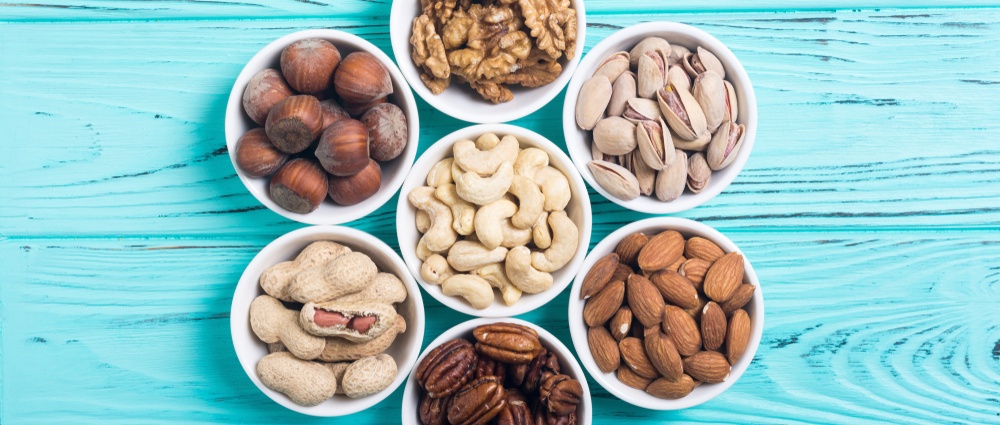
8 high-protein nuts to boost your strength
Packed with protein, delicious, easy to eat, and versatile - nuts are a great source of fuel for people building their fitness and strength. But not all nuts are created equal, which is why we count down the top eight nuts you should eat while strength training and serve these up with tasty recipe ideas.
by Lynn Stephen

Healthy living
Natural protein verses protein powder: which is better for strength training?
Consuming enough protein is essential for building strong muscles. Protein powder shakes are not a complete replacement for natural protein sources found in your food. However, you may consider supplementing your diet and strength-training regime with protein shakes. Before you decide if this is right for you, there are several benefits and considerations to take into account.
by Amberley Davis

Diet and nutrition
Plant-based proteins could help prevent high blood pressure
Eating a greater amount of minimally processed plant-based proteins - such as beans, nuts and lentils - may lower your chance of developing high blood pressure, according to new research.
by Laura Williamson
Related patient information and medicines

Patient information leaflet
Glycogen storage disorders
Glycogen storage disorders are a group of inherited diseases. They result from a problem with one of the proteins (known as enzymes) involved in the conversion of glucose to glycogen, or the breakdown of glycogen back into glucose. They mostly tend to affect your liver and muscles. Newer treatment possibilities provide hope for an improved outlook.

Patient information leaflet
Diabetic kidney disease
Diabetic kidney disease is a complication that occurs in some people with diabetes. Also, it aims to reduce the risk of developing cardiovascular diseases such as heart attack and stroke which are much more common than average in people with this disease. Diabetic kidney disease (diabetic nephropathy) is a complication that occurs in some people.

Patient information leaflet
Genetic testing
Genetic testing is a type of medical test that identifies changes in chromosomes, genes or proteins. Genetic tests examine a person's DNA in a variety of ways to assess a person's genetic health. We all have 46 chromosomes in our cells. Genes are short sections of DNA and each chromosome contains hundreds to thousands of genes. Genes contain the.
Patient information leaflet
Crohn's disease
Crohn's disease is a condition that causes inflammation of the wall of the gut (gastrointestinal tract). What is Crohn's disease. Crohn's disease is a condition that causes inflammation of the wall of the gut (gastrointestinal tract). However, the most common site for the disease first to start is the last part of the small intestine (the ileum)..
Patient information leaflet
Can I take Clarithromycin and Rosuvastatin together?
Symptoms to watch for include unexplained muscle pain, tenderness, or weakness, especially if you also feel generally unwell or have a fever. Why this happens Clarithromycin blocks a specific protein (OATP1B1) that helps the liver take up rosuvastatin. It also interferes with how the body breaks down the medicine. Always consult your GP,.

Patient information leaflet
Type 1 diabetes
Type 1 diabetes is the type of diabetes that typically develops in children and in young adults. In type 1 diabetes the body stops making insulin and the blood sugar (glucose) level goes very high. Dr Parta Kar Type 1 diabetes is the type of diabetes that typically develops in children and in young adults. Dr Krishna Vakharia , 29th January 2024.
Further reading and references
- HCLS1 associated protein X-1; MedlinePlus, National Library of Medicine.
- Boztug K, Klein C. Novel genetic etiologies of severe congenital neutropenia. Curr Opin Immunol. 2009 Oct;21(5):472-80. doi: 10.1016/j.coi.2009.09.003. Epub 2009 Sep 24.
- Fadeel B, Grzybowska E. HAX-1: a multifunctional protein with emerging roles in human disease. Biochim Biophys Acta. 2009 Oct;1790(10):1139-48. doi: 10.1016/j.bbagen.2009.06.004. Epub 2009 Jun 12.
- Xia J, Bolyard AA, Rodger E, Stein S, Aprikyan AA, Dale DC, Link DC. Prevalence of mutations in ELANE, GFI1, HAX1, SBDS, WAS and G6PC3 in patients with severe congenital neutropenia. Br J Haematol. 2009 Nov;147(4):535-42. doi: 10.1111/j.1365-2141.2009.07888.x. Epub 2009 Sep 22.
- Zeidler C, Germeshausen M, Klein C, Welte K. Clinical implications of ELA2-, HAX1-, and G-CSF-receptor (CSF3R) mutations in severe congenital neutropenia. Br J Haematol. 2009 Feb;144(4):459-67. doi: 10.1111/j.1365-2141.2008.07425.x. Epub 2008 Dec 10.
Share your thoughts or experiences with others in our patient communities.
Simple access to trusted treatments and health services online.
Common conditions
Get help with common conditions through the NHS, without a GP appointment.





Sign up to the Patient newsletter
Your weekly dose of clear, trustworthy health advice - written to help you feel informed, confident and in control.
By subscribing you accept our Privacy Policy. You can unsubscribe at any time. We never sell your data.