lysosome associated membrane protein 2
Last updated 1 Apr 2026
Meets Patient’s editorial guidelines
- DownloadDownload
- Share
- Language
- Discussion
- Ask Patient
- Audio Version
- Add to preferred sources on Google
The LAMP2 gene provides instructions for making a protein called lysosome-associated membrane glycoprotein 2 (LAMP-2). As its name suggests, this protein is found in the membrane of cellular structures called lysosomes. Lysosomes are compartments in the cell that digest and recycle different types of materials. The LAMP-2 protein helps transport cellular materials or digestive enzymes into the lysosome. Slightly different versions (isoforms) of the LAMP-2 protein are produced: LAMP-2A, LAMP-2B, and LAMP-2C. These isoforms have slightly different functions and are found in different tissues throughout the body.
Video picks for GenesVideo library
Normal function
The LAMP2 gene provides instructions for making a protein called lysosome-associated membrane glycoprotein 2 (LAMP-2). As its name suggests, this protein is found in the membrane of cellular structures called lysosomes. Lysosomes are compartments in the cell that digest and recycle different types of materials. The LAMP-2 protein helps transport cellular materials or digestive enzymes into the lysosome. Slightly different versions (isoforms) of the LAMP-2 protein are produced: LAMP-2A, LAMP-2B, and LAMP-2C. These isoforms have slightly different functions and are found in different tissues throughout the body.
The LAMP-2A isoform helps transport certain proteins into the lysosome to be broken down. The LAMP-2B isoform is needed to transport materials into lysosomes using a formation of cellular structures called autophagic vacuoles (or autophagosomes). Cellular material is first enclosed in an autophagic vacuole inside the cell. The autophagic vacuole attaches (fuses) to a lysosome to transfer the cellular material into the lysosome where it can be broken down. The LAMP-2B isoform is involved in the fusion between autophagic vacuoles and lysosomes. LAMP-2B is the main isoform found in the heart and the muscles used for movement (skeletal muscles). The LAMP-2C isoform helps transport building blocks of DNA and RNA (nucleotides) into the lysosome to be broken down.
Conditions referring to this gene or chromosome
Other names
CD107 antigen-like family member B
CD107b
LAMP-2
LAMP2_HUMAN
LAMPB
LGP110
Patient picks for Genes

Diet and nutrition
How a protein-packed breakfast can boost your health
When we think of breakfast, we often picture a bowl of cornflakes with milk. While it’s a classic morning staple, it might not be the most effective way to start your day, as it lacks protein. Adding more protein to your breakfast can boost your energy levels and help keep you feeling full for longer.
by Victoria Raw

Diet and nutrition
10 sources of plant-based protein for bone health
Plant-based diets are growing in popularity. People choose this way of eating for various reasons - to boost their health, help animals, and protect the environment. But switching to a plant-based diet may mean you're missing out on vital, bone-friendly nutrients. One of these is protein.
by Victoria Raw
Healthy living
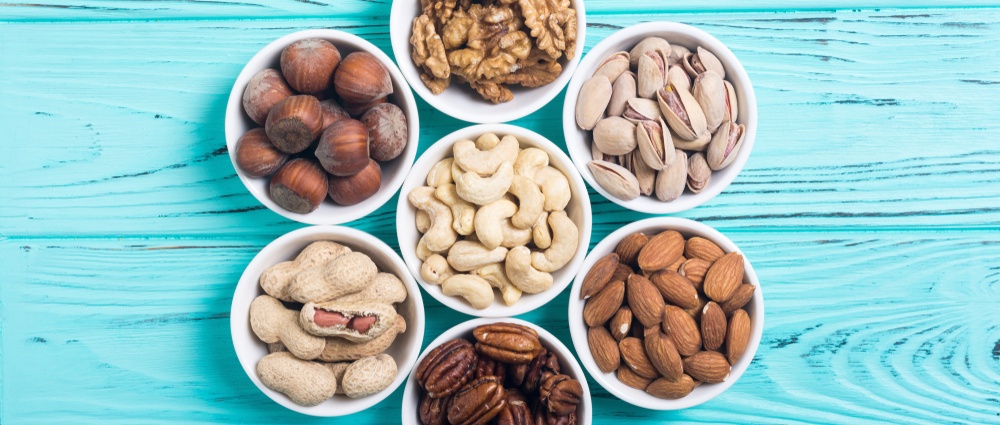
8 high-protein nuts to boost your strength
Packed with protein, delicious, easy to eat, and versatile - nuts are a great source of fuel for people building their fitness and strength. But not all nuts are created equal, which is why we count down the top eight nuts you should eat while strength training and serve these up with tasty recipe ideas.
by Lynn Stephen
Healthy living
Natural protein verses protein powder: which is better for strength training?
Consuming enough protein is essential for building strong muscles. Protein powder shakes are not a complete replacement for natural protein sources found in your food. However, you may consider supplementing your diet and strength-training regime with protein shakes. Before you decide if this is right for you, there are several benefits and considerations to take into account.
by Amberley Davis

Kidney and urinary tract
Proteinuria
Proteins are molecules that are found in almost every part of the body, including in the blood. The kidneys normally have a filter which stops protein from entering the urine, except in very tiny amounts; however, kidney problems can cause higher levels of protein to be found in the urine.
by Dr Doug McKechnie, MRCGP

Treatment and medication
Are protein shakes good for weight loss?
Protein shakes have experienced a surge in popularity recently, with many people now drinking them daily to aid their journeys to improved fitness and better health. But what benefits do they offer, and can you drink protein shakes for weight loss?
by Emily Jane Bashforth
Related patient information and medicines

Patient information leaflet
The immune system
This leaflet gives a brief overview of the immune system and how it works. A person with a weak immune system might have difficulty fighting off infections. In autoimmune diseases the body is unable to tell what is its own and what is foreign, so it attacks itself. Autoimmune diseases can attack any part of the body - eg, type 1 diabetes.
Patient information leaflet
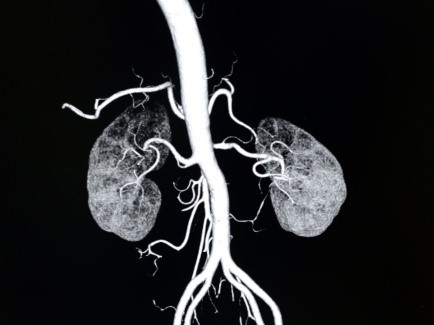
Glomerulonephritis
Glomerulonephritis is the name given to a range of conditions that can affect the kidney, specifically the glomeruli of the kidney. The glomeruli become damaged, commonly because of a problem with the body's immune system. Many people with glomerulonephritis may not notice any symptoms initially. Glomerulonephritis is the name given to a range of.

Patient information leaflet
Irritable bowel syndrome
IBS stands for irritable bowel syndrome, and it is a long-term chronic condition of the gut (bowel) that causes episodes of tummy (abdominal) cramps, bloating and either constipation or diarrhoea. IBS is a problem with how the bowel works. What is IBS. IBS stands for irritable bowel syndrome and may not cause any harm to your body but sometimes.

Patient information leaflet
Genetic testing
Genetic testing is a type of medical test that identifies changes in chromosomes, genes or proteins. Genetic tests examine a person's DNA in a variety of ways to assess a person's genetic health. They are all designed to identify a particular... Sometimes a gene may change (this is called a mutation) and either cause or increase the risk of a.

Patient information leaflet
Cataracts
If left untreated it can lead to total loss of vision (blindness). Key points A cataract is when the lens inside your eye becomes cloudy, making your vision blurry and causing glare, faded colours, and trouble seeing in bright or dim light. It usually affects older people and is a normal part of ageing. It is caused by the gradual breakdown of.

Patient information leaflet
Gastrointestinal malabsorption
Gastrointestinal malabsorption syndrome means a failure to fully absorb digested foods from the gut (bowel) into your body. There are many different causes. Prolonged intestinal malabsorption may cause problems because of a lack of carbohydrates, proteins, fats, minerals and vitamins that are essential to keep you healthy. The treatment will.
Further reading and references
- lysosome associated membrane protein 2; MedlinePlus, National Library of Medicine.
- Arad M, Maron BJ, Gorham JM, Johnson WH Jr, Saul JP, Perez-Atayde AR, Spirito P, Wright GB, Kanter RJ, Seidman CE, Seidman JG. Glycogen storage diseases presenting as hypertrophic cardiomyopathy. N Engl J Med. 2005 Jan 27;352(4):362-72. doi: 10.1056/NEJMoa033349.
- Eskelinen EL, Illert AL, Tanaka Y, Schwarzmann G, Blanz J, Von Figura K, Saftig P. Role of LAMP-2 in lysosome biogenesis and autophagy. Mol Biol Cell. 2002 Sep;13(9):3355-68. doi: 10.1091/mbc.e02-02-0114.
- Eskelinen EL. Roles of LAMP-1 and LAMP-2 in lysosome biogenesis and autophagy. Mol Aspects Med. 2006 Oct-Dec;27(5-6):495-502. doi: 10.1016/j.mam.2006.08.005. Epub 2006 Sep 14.
- Jalali Z, Parvaz N. Molecular evolution of autophagy rate-limiting factor LAMP2 in placental mammals. Gene. 2020 Feb 15;727:144231. doi: 10.1016/j.gene.2019.144231. Epub 2019 Nov 7.
- Konecki DS, Foetisch K, Zimmer KP, Schlotter M, Lichter-Konecki U. An alternatively spliced form of the human lysosome-associated membrane protein-2 gene is expressed in a tissue-specific manner. Biochem Biophys Res Commun. 1995 Oct 13;215(2):757-67. doi: 10.1006/bbrc.1995.2528.
- Malicdan MC, Noguchi S, Nonaka I, Saftig P, Nishino I. Lysosomal myopathies: an excessive build-up in autophagosomes is too much to handle. Neuromuscul Disord. 2008 Jul;18(7):521-9. doi: 10.1016/j.nmd.2008.04.010. Epub 2008 May 27.
- Nishino I, Fu J, Tanji K, Yamada T, Shimojo S, Koori T, Mora M, Riggs JE, Oh SJ, Koga Y, Sue CM, Yamamoto A, Murakami N, Shanske S, Byrne E, Bonilla E, Nonaka I, DiMauro S, Hirano M. Primary LAMP-2 deficiency causes X-linked vacuolar cardiomyopathy and myopathy (Danon disease). Nature. 2000 Aug 24;406(6798):906-10. doi: 10.1038/35022604.
- Qiao L, Hu J, Qiu X, Wang C, Peng J, Zhang C, Zhang M, Lu H, Chen W. LAMP2A, LAMP2B and LAMP2C: similar structures, divergent roles. Autophagy. 2023 Nov;19(11):2837-2852. doi: 10.1080/15548627.2023.2235196. Epub 2023 Jul 21.
Share your thoughts or experiences with others in our patient communities.
Simple access to trusted treatments and health services online.
Common conditions
Get help with common conditions through the NHS, without a GP appointment.





Sign up to the Patient newsletter
Your weekly dose of clear, trustworthy health advice - written to help you feel informed, confident and in control.
By subscribing you accept our Privacy Policy. You can unsubscribe at any time. We never sell your data.