NK2 homeobox 1
Last updated 18 Aug 2020
Meets Patient’s editorial guidelines
- DownloadDownload
- Share
- Language
- Discussion
- Ask Patient
- Audio Version
- Add to preferred sources on Google
The NKX2-1 gene provides instructions for making a protein called homeobox protein Nkx-2.1, which is a member of the homeobox protein family. Homeobox proteins direct the formation of body structures during early embryonic development. Homeobox protein Nkx-2.1 is particularly involved in the development and function of the brain, lungs, and thyroid gland. The thyroid is a butterfly shaped gland in the lower neck that makes hormones to help regulate a wide variety of critical body functions, including growth and brain development.
Video picks for GenesVideo library
Normal function
The NKX2-1 gene provides instructions for making a protein called homeobox protein Nkx-2.1, which is a member of the homeobox protein family. Homeobox proteins direct the formation of body structures during early embryonic development. Homeobox protein Nkx-2.1 is particularly involved in the development and function of the brain, lungs, and thyroid gland. The thyroid is a butterfly shaped gland in the lower neck that makes hormones to help regulate a wide variety of critical body functions, including growth and brain development.
Homeobox protein Nkx-2.1 functions as a transcription factor, which means it attaches to DNA and controls the activity (expression) of other genes. In the brain, homeobox protein Nkx-2.1 regulates genes that play a role in the development and movement (migration) of specialized nerve cells (neurons), called interneurons, to their proper location. Interneurons relay signals between other neurons. In the lungs, homeobox protein Nkx-2.1 controls development of lung structures and regulates the expression of surfactant genes, which provide instructions for producing surfactant proteins. Together with certain fats, these proteins form surfactant, which lines the lung tissue and makes breathing easy. In the thyroid gland, homeobox protein Nkx-2.1 controls genes that are critical in the production of thyroid hormones.
Conditions referring to this gene or chromosome
Other names
BCH
BHC
homeobox protein NK-2 homolog A
homeobox protein Nkx-2.1 isoform 1
homeobox protein Nkx-2.1 isoform 2
NK-2
NK-2 homolog A
NKX2.1
NKX2A
NMTC1
T/EBP
TEBP
thyroid nuclear factor 1
thyroid transcription factor 1
thyroid-specific enhancer-binding protein
TITF1
TTF-1
TTF1
Patient picks for Genes

Yorkshire talks series 2
Rosie Madison: Radio, Creativity & Life Beyond the Mic
This week on Yorkshire Talks, Matt and Christine welcome the brilliant, multi award-winning radio presenter Rosie Madison for a joyful, high-energy conversation you’ll absolutely love. You may recognise Rosie best by her voice — especially if you tune into BBC Radio 1, where she can be heard on weekend afternoons and recently on the iconic Radio 1 Breakfast Show. 🎧 From Yorkshire Airwaves to National Radio Alongside her long-time presenting partner Danny Mylo, Rosie took the much-loved Mylo and Rosie show national — a genuine dream come true after more than a decade entertaining listeners on Hits Radio West Yorkshire. 💥 More Than a Radio Star Radio might be where many know her from, but it’s just one string to Rosie’s bow. She’s also: • Arena warm-up presenter for the BBC’s hit show Gladiators • A sought-after live event host • A creative force beyond the microphone 🎨 Fashion, Art & Creativity Rosie also adds model and artist to her ever-growing CV — and has recently launched her own fashion label, Dorothy and Rose. The brand is proudly size-inclusive, featuring reimagined vintage pieces and unique, one-off designs inspired by Rosie’s own artwork. ✨ Funny, warm and endlessly entertaining In this episode, Rosie brings infectious energy, honesty and humour as she chats with Matt and Christine about creativity, confidence, carving out a career you love — and saying yes to unexpected opportunities. We’re proud to bring you this week’s Yorkshire Talks guest — the wonderful Rosie Madison 💙 🔔 Don’t forget to like, subscribe and comment to let us know your favourite moment. #YorkshireTalks #RosieMadison #BBCRadio1 #WomenInRadio #CreativeCareers #PodcastInterview 🎧✨

Diabetes Q&A
What should you do if you have a hypo while driving?
Dr Sarah Jarvis If you have type 1 diabetes, you'll often be encouraged to control your blood sugar to almost the same levels as someone who doesn't have diabetes, especially if you're young and don't have complications of diabetes or other medical conditions. This is because high blood glucose in the long term is linked to damage to your kidneys, eyes, nerves, feet and heart. However, keeping tight control of your blood glucose does increase the risk of hypos. [https://patient.info/health/type-1-diabetes/features/how-low-blood-sugar-is-dangerous](https://patient.info/health/type-1-diabetes/features/how-low-blood-sugar-is-dangerous)
by Dr Sarah Jarvis

Anorexia Q&A
How long does anorexia last?
Dr Sarah Jarvis Anorexia is most common among teenage girls, but it can develop much later in life. Bulimia affects about 1 in 12 women in the UK, usually from their late teens-40s. Both are much more common in women than in men, but men can be affected too. Until recently, there has been a particular stigma around eating disorders in people from ethnic minorities, but it is becoming clear that anyone can be affected, regardless of age, gender or ethnicity. [https://patient.info/health/eating-disorders/types-of-eating-disorder](https://patient.info/health/eating-disorders/types-of-eating-disorder)
by Dr Sarah Jarvis

Diabetes Q&A
Can you drive if you have diabetes?
Dr Sarah Jarvis MBE Hypos can cause drowsiness, dizziness and confusion: in severe cases they can lead to loss of consciousness or even be fatal. But hypos can also affect your ability to drive safely. So the DVLA has set out guidelines for people with all diabetes - and whether you have type 1 or type 2 diabetes, you need to know about them. For more information on diabetes and driving, go to [https://patient.info/health/diabetes-mellitus-leaflet/driving-and-diabetes](https://patient.info/health/diabetes-mellitus-leaflet/driving-and-diabetes)
by Dr Sarah Jarvis

Asthma & COPD
How do I know if I have asthma?
Dr Sarah Jarvis MBE The common symptoms are cough and wheeze. You may also become breathless and develop a feeling of chest tightness. Symptoms can range from mild to severe between different people and at different times in the same person. Each episode of symptoms may last just an hour or so, or persist for days or weeks unless treated. [https://patient.info/health/asthma-leaflet#nav-1](https://patient.info/health/asthma-leaflet#nav-1)
by Dr Sarah Jarvis

Other diabetes
What does insulin do?
Dr Partha Kar In type 1 diabetes, the body stops making insulin and the blood sugar level goes very high. Some people who have type 2 diabetes may also need to have insulin injections to help control blood sugar levels. Insulin is usually injected under the skin between 2-4 times a day. For more information on insulin, go to [https://patient.info/health/type-1-diabetes/insulins](https://patient.info/health/type-1-diabetes/insulins)
by Dr Partha Kar, FRCP
Related patient information and medicines

Patient information leaflet
Alpha-1 antitrypsin deficiency
If the balance tips and there is too much activity, lung tissue can start to become damaged b... A1AT helps to balance the protease enzymes in the lungs and stop lung damage. What is alpha-1 antitrypsin deficiency. A1AT deficiency is an inherited genetic condition. A genetic condition is one that can be passed on from parents through genes. It was.
Patient information leaflet
Kidney biopsy
A kidney biopsy involves taking a small sample of tissue from the kidney. Cells from the kidney can then be looked at in detail. It is used to diagnose and monitor certain conditions. Note : the information below is a general guide only. The arrangements, and the way tests are performed, may vary between different hospitals. Always follow the.

Patient information leaflet
Find out if you are eligible for a free NHS flu vaccination
Open the flu jab Is the flu vaccine free for you this winter. The flu vaccine is free on the NHS for people most likely to get seriously ill from flu, and for those who could easily pass it on to someone at risk. Whether you qualify depends on your age, your health, and a few other things such as being pregnant or caring for someone. The groups.
Patient information leaflet
Insulin
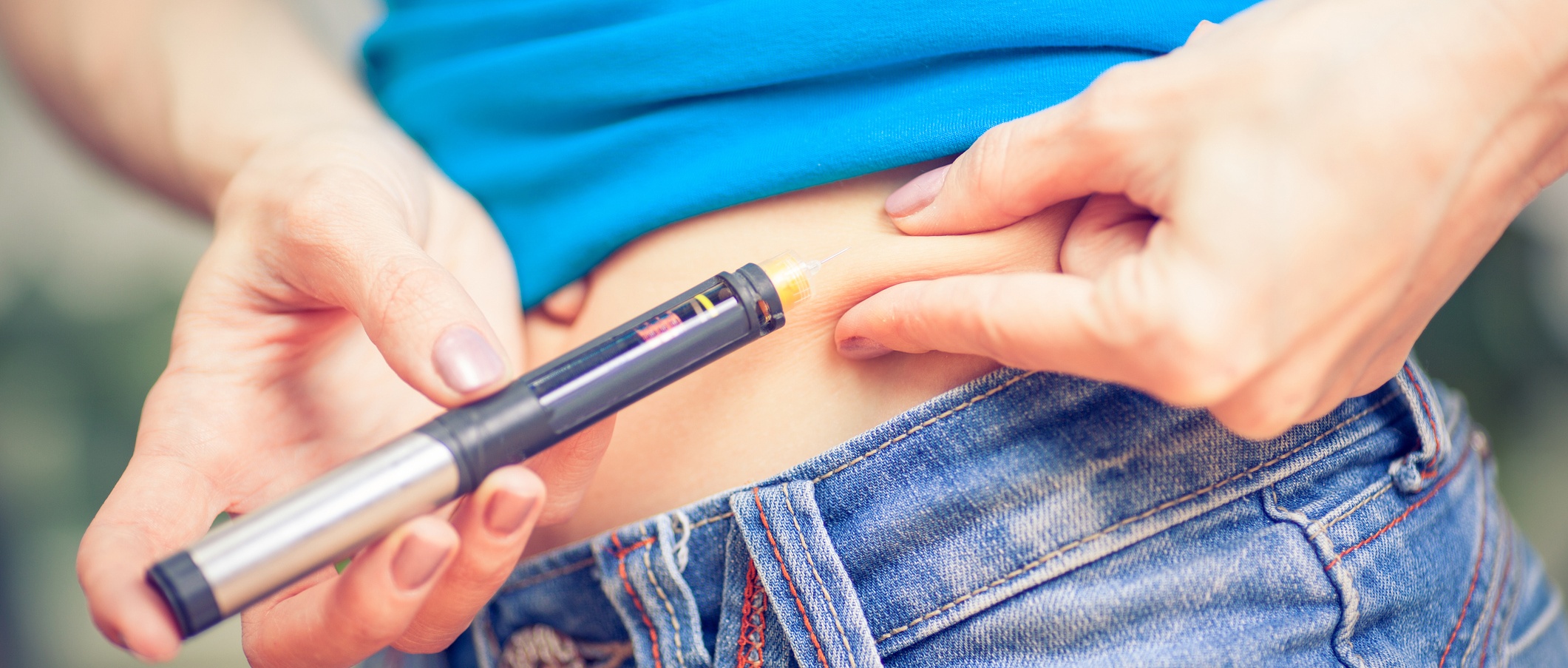
Insulin is a hormone made naturally in the body by the pancreas. This hormone controls the level of sugar (glucose) in the blood. People who have type 1 diabetes need to have regular insulin injections. In type 1 diabetes, the body stops making insulin and the blood sugar level goes very high. Some people who have type 2 diabetes may also need to.
Patient information leaflet
Blood glucose test (blood sugar) and HbA1c
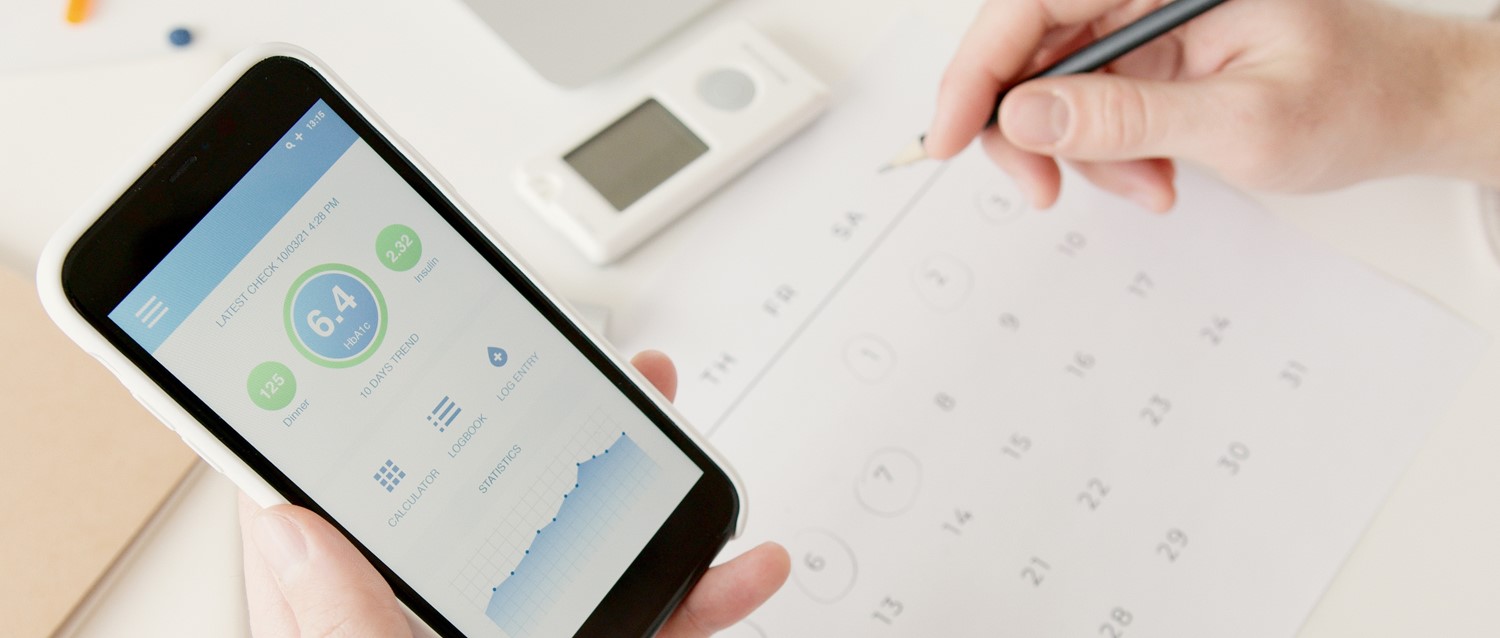
Blood glucose (sugar) tests check the amount of glucose in the blood. ...-low-blood-sugar-is-dangerous) Follow Patient: Website: [https://patient.info/](https://patient.info/) Facebook: [https://www.facebook.com/patient](https://www.facebook.com/patient) Twitter: [https://twitter.com/patient](https://twitter.com/patient) Pinterest:.

Patient information leaflet
Immunisation for flu
Expert scientists and the World Health Organization (WHO) monitor flu viruses throughout the world and predict which flu strains they think are going to be the most active each year and therefore which strains are. This is done by looking at data from previous years but also looking at data from other countries, like Australia, where the flu.
Further reading and references
- NK2 homeobox 1; MedlinePlus, National Library of Medicine.
- Butt SJ, Sousa VH, Fuccillo MV, Hjerling-Leffler J, Miyoshi G, Kimura S, Fishell G. The requirement of Nkx2-1 in the temporal specification of cortical interneuron subtypes. Neuron. 2008 Sep 11;59(5):722-32. doi: 10.1016/j.neuron.2008.07.031.
- Carre A, Szinnai G, Castanet M, Sura-Trueba S, Tron E, Broutin-L'Hermite I, Barat P, Goizet C, Lacombe D, Moutard ML, Raybaud C, Raynaud-Ravni C, Romana S, Ythier H, Leger J, Polak M. Five new TTF1/NKX2.1 mutations in brain-lung-thyroid syndrome: rescue by PAX8 synergism in one case. Hum Mol Genet. 2009 Jun 15;18(12):2266-76. doi: 10.1093/hmg/ddp162. Epub 2009 Mar 31.
- Guillot L, Carre A, Szinnai G, Castanet M, Tron E, Jaubert F, Broutin I, Counil F, Feldmann D, Clement A, Polak M, Epaud R. NKX2-1 mutations leading to surfactant protein promoter dysregulation cause interstitial lung disease in "Brain-Lung-Thyroid Syndrome". Hum Mutat. 2010 Feb;31(2):E1146-62. doi: 10.1002/humu.21183.
- Krude H, Schutz B, Biebermann H, von Moers A, Schnabel D, Neitzel H, Tonnies H, Weise D, Lafferty A, Schwarz S, DeFelice M, von Deimling A, van Landeghem F, DiLauro R, Gruters A. Choreoathetosis, hypothyroidism, and pulmonary alterations due to human NKX2-1 haploinsufficiency. J Clin Invest. 2002 Feb;109(4):475-80. doi: 10.1172/JCI14341.
- Nettore IC, Mirra P, Ferrara AM, Sibilio A, Pagliara V, Kay CS, Lorenzoni PJ, Werneck LC, Bruck I, Dos Santos LH, Beguinot F, Salvatore D, Ungaro P, Fenzi G, Scola RH, Macchia PE. Identification and functional characterization of a novel mutation in the NKX2-1 gene: comparison with the data in the literature. Thyroid. 2013 Jun;23(6):675-82. doi: 10.1089/thy.2012.0267.
- Nobrega-Pereira S, Kessaris N, Du T, Kimura S, Anderson SA, Marin O. Postmitotic Nkx2-1 controls the migration of telencephalic interneurons by direct repression of guidance receptors. Neuron. 2008 Sep 11;59(5):733-45. doi: 10.1016/j.neuron.2008.07.024.
- Shetty VB, Kiraly-Borri C, Lamont P, Bikker H, Choong CS. NKX2-1 mutations in brain-lung-thyroid syndrome: a case series of four patients. J Pediatr Endocrinol Metab. 2014 Mar;27(3-4):373-8. doi: 10.1515/jpem-2013-0109.
- Williamson S, Kirkpatrick M, Greene S, Goudie D. A novel mutation of NKX2-1 affecting 2 generations with hypothyroidism and choreoathetosis: part of the spectrum of brain-thyroid-lung syndrome. J Child Neurol. 2014 May;29(5):666-9. doi: 10.1177/0883073813518243. Epub 2014 Jan 21.
Share your thoughts or experiences with others in our patient communities.
Simple access to trusted treatments and health services online.
Common conditions
Get help with common conditions through the NHS, without a GP appointment.





Sign up to the Patient newsletter
Your weekly dose of clear, trustworthy health advice - written to help you feel informed, confident and in control.
By subscribing you accept our Privacy Policy. You can unsubscribe at any time. We never sell your data.