peptidase D
Last updated 18 Aug 2020
Meets Patient’s editorial guidelines
- DownloadDownload
- Share
- Language
- Discussion
- Ask Patient
- Audio Version
- Add to preferred sources on Google
The PEPD gene provides instructions for making the enzyme prolidase, also called peptidase D. Prolidase helps divide certain dipeptides, which are molecules composed of two protein building blocks (amino acids). Specifically, prolidase divides dipeptides containing the amino acids proline or hydroxyproline. By freeing these amino acids, prolidase helps make them available for use in producing proteins that the body needs.
Video picks for GenesVideo library
Normal function
The PEPD gene provides instructions for making the enzyme prolidase, also called peptidase D. Prolidase helps divide certain dipeptides, which are molecules composed of two protein building blocks (amino acids). Specifically, prolidase divides dipeptides containing the amino acids proline or hydroxyproline. By freeing these amino acids, prolidase helps make them available for use in producing proteins that the body needs.
Prolidase is also involved in the final step of the breakdown of some proteins obtained though the diet and proteins that are no longer needed in the body. Prolidase is particularly important in the breakdown of collagens, a family of proteins that are rich in proline and hydroxyproline. Collagens are an important part of the extracellular matrix, which is the lattice of proteins and other molecules outside the cell. The extracellular matrix strengthens and supports connective tissues, such as skin, bone, cartilage, tendons, and ligaments. Collagen breakdown occurs during the maintenance (remodeling) of the extracellular matrix.
Conditions referring to this gene or chromosome
Other names
aminoacyl-L-proline hydrolase
imidodipeptidase
MGC10905
PEPD_HUMAN
PROLIDASE
proline dipeptidase
X-Pro dipeptidase
xaa-Pro dipeptidase
Patient picks for Genes
Winter health
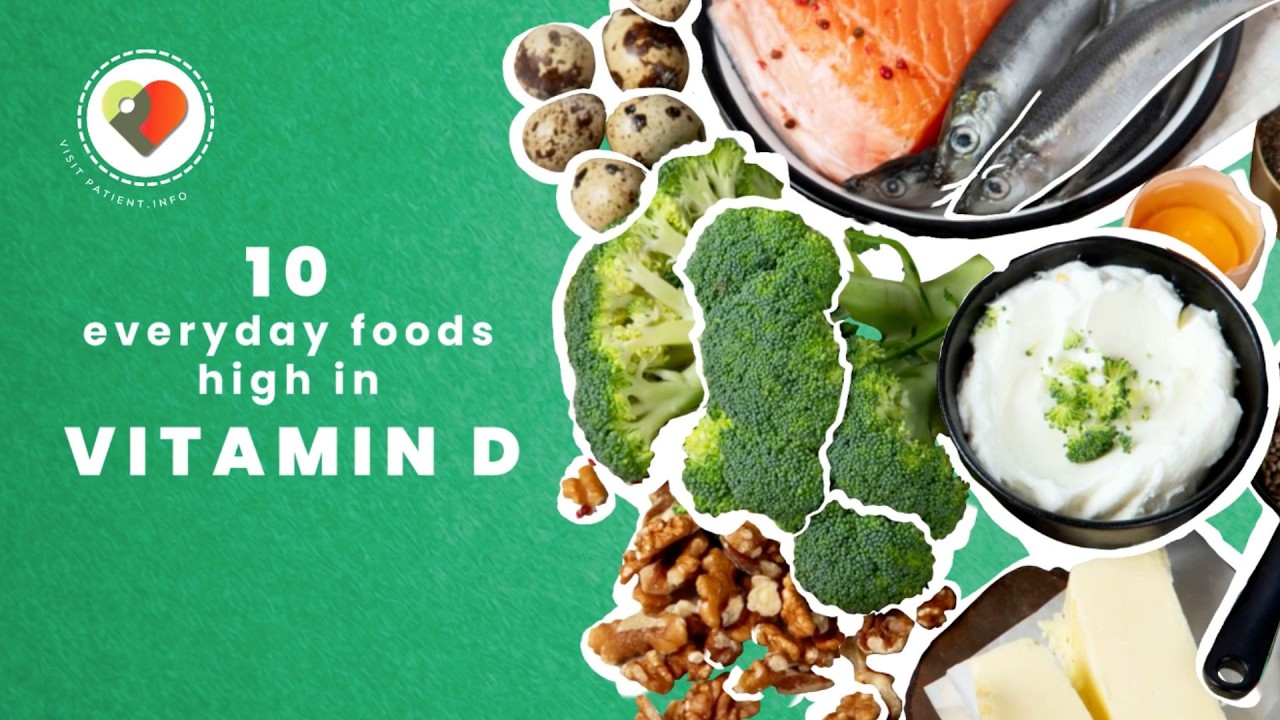
10 everyday foods high in vitamin D
Sunlight is our main source of vitamin D, but during the darker months, we may not get enough. That’s why a daily vitamin D supplement is recommended in winter, alongside vitamin D-rich foods to boost your intake: [https://patient.info/features/diet-and-nutrition/foods-high-in-vitamin-d](https://patient.info/features/diet-and-nutrition/foods-high-in-vitamin-d) *Visuals: Ben Hudson* *Audio: Victoria Raw* #VitaminD #WinterWellness #NutritionTips #HealthyEating #ImmuneHealth #NutritionEducation #Wellbeing #PatientInfo

Medicine
Dihydrotachysterol
Dihydrotachysterol is a type of vitamin D. It helps your body absorb calcium. Make sure you understand how much to take and when to take it. You will need to have regular blood tests while you are taking this medicine so that your doctor can make sure the dose is right for you. Make sure you know the symptoms of too much calcium in your blood - these are losing your appetite, feeling thirsty, being sick (vomiting), feeling tired, and losing weight. See your doctor if you develop these symptoms.
by Michael Stewart, MRPharmS

Medicine
Calcium with colecalciferol
Calcium with colecalciferol is a mineral and vitamin D supplement. It promotes bone strength and helps to prevent 'thinning' of the bones (osteoporosis). Make sure you know how to take the preparation you have been given. Some brands of tablets are swallowed with water, others are chewable, and others are dissolved in water. The contents of sachets should be mixed into water before taking. Read the label carefully, and if you are still unsure what to do, ask your pharmacist for advice.
by Michael Stewart, MRPharmS

Medicine
Doxycycline tablets and capsules
Take doxycycline with plenty of water. Stand or sit up to take your doses - this will stop the capsules/tablets from causing any irritation to your throat. Make sure you continue to take the medicine until you finish the full course prescribed. Do not take indigestion remedies, or supplements containing iron, magnesium, or zinc at the same time as doxycycline as they stop it from working properly. The most common side effects of doxycycline are diarrhoea, upset stomach, stomach pain, and headache.
by Michael Stewart, MRPharmS
Related patient information and medicines

Patient information leaflet
Type 2 diabetes treatment
You sho... DPP-4 (dipeptidyl peptidase-4) inhibitors - also known as incretin enhancers This group includes alogliptin Alogliptin tablets for diabetes , linagliptin Linagliptin tablets for diabetes , saxagliptin Saxagliptin for diabetes , sitagliptin Sitagliptin for diabetes and vildagliptin Vildagliptin for diabetes. Dipeptidyl peptidase 4.
Medicine leaflet
Dihydrotachysterol
Dihydrotachysterol is a type of vitamin D. It helps your body absorb calcium. See your doctor ... About dihydrotachysterol Type of medicine A type of vitamin D Used for Low blood calcium levels due to hypoparathyroidism Also called AT10® (discontinued) Available as Oral solution (drops) Dihydrotachysterol is a form of vitamin D. Vitamin D Vitamin.
Medicine leaflet
Calcium with colecalciferol
Calcium with colecalciferol is a mineral and vitamin D supplement. ...and vitamin supplement Used for To promote healthy bones and to prevent osteoporosis Also called Colecalciferol is also called vitamin D 3 Cholecalciferol (in US) A1-Ca®; AaceCa D3®; Accrete D3®; Adcal-D 3 ®; Cacit D 3 ®; Calceos®; Calcichew D 3 ®; Calci-D®; Calfovit D3®;.
Medicine leaflet
Doxycycline tablets and capsules
This means that you will be. Doxycycline side effects Common side effects of doxycycline are: Upset stomach. Indigestion. Tummy (abdominal) pain. Diarrhoea. Headache. Aches and pains. Anxiety. Increased sweating. You will find a full list in the manufacturer's information leaflet supplied with your medicine. Speak with your doctor or pharmacist if.
Further reading and references
- peptidase D; MedlinePlus, National Library of Medicine.
- Falik-Zaccai TC, Khayat M, Luder A, Frenkel P, Magen D, Brik R, Gershoni-Baruch R, Mandel H. A broad spectrum of developmental delay in a large cohort of prolidase deficiency patients demonstrates marked interfamilial and intrafamilial phenotypic variability. Am J Med Genet B Neuropsychiatr Genet. 2010 Jan 5;153B(1):46-56. doi: 10.1002/ajmg.b.30945.
- Forlino A, Lupi A, Vaghi P, Icaro Cornaglia A, Calligaro A, Campari E, Cetta G. Mutation analysis of five new patients affected by prolidase deficiency: the lack of enzyme activity causes necrosis-like cell death in cultured fibroblasts. Hum Genet. 2002 Oct;111(4-5):314-22. doi: 10.1007/s00439-002-0792-5. Epub 2002 Aug 14.
- Lupi A, De Riso A, Torre SD, Rossi A, Campari E, Vilarinho L, Cetta G, Forlino A. Characterization of a new PEPD allele causing prolidase deficiency in two unrelated patients: natural-occurrent mutations as a tool to investigate structure-function relationship. J Hum Genet. 2004;49(9):500-506. doi: 10.1007/s10038-004-0180-1. Epub 2004 Aug 11.
- Lupi A, Rossi A, Campari E, Pecora F, Lund AM, Elcioglu NH, Gultepe M, Di Rocco M, Cetta G, Forlino A. Molecular characterisation of six patients with prolidase deficiency: identification of the first small duplication in the prolidase gene and of a mutation generating symptomatic and asymptomatic outcomes within the same family. J Med Genet. 2006 Dec;43(12):e58. doi: 10.1136/jmg.2006.043315.
- Lupi A, Tenni R, Rossi A, Cetta G, Forlino A. Human prolidase and prolidase deficiency: an overview on the characterization of the enzyme involved in proline recycling and on the effects of its mutations. Amino Acids. 2008 Nov;35(4):739-52. doi: 10.1007/s00726-008-0055-4. Epub 2008 Mar 14.
- Mitsubuchi H, Nakamura K, Matsumoto S, Endo F. Inborn errors of proline metabolism. J Nutr. 2008 Oct;138(10):2016S-2020S. doi: 10.1093/jn/138.10.2016S.
- Surazynski A, Donald SP, Cooper SK, Whiteside MA, Salnikow K, Liu Y, Phang JM. Extracellular matrix and HIF-1 signaling: the role of prolidase. Int J Cancer. 2008 Mar 15;122(6):1435-40. doi: 10.1002/ijc.23263.
- Wang H, Kurien BT, Lundgren D, Patel NC, Kaufman KM, Miller DL, Porter AC, D'Souza A, Nye L, Tumbush J, Hupertz V, Kerr DS, Kurono S, Matsumoto H, Scofield RH. A nonsense mutation of PEPD in four Amish children with prolidase deficiency. Am J Med Genet A. 2006 Mar 15;140(6):580-5. doi: 10.1002/ajmg.a.31134.
Share your thoughts or experiences with others in our patient communities.
Simple access to trusted treatments and health services online.
Common conditions
Get help with common conditions through the NHS, without a GP appointment.





Sign up to the Patient newsletter
Your weekly dose of clear, trustworthy health advice - written to help you feel informed, confident and in control.
By subscribing you accept our Privacy Policy. You can unsubscribe at any time. We never sell your data.