protein S
Last updated 30 Apr 2024
Meets Patient’s editorial guidelines
- DownloadDownload
- Share
- Language
- Discussion
- Ask Patient
- Audio Version
- Add to preferred sources on Google
The PROS1 gene provides instructions for making a protein called protein S that is important for the regulation of blood clotting. Although protein S can work on its own to inhibit certain clotting factors, it often works as a cofactor. Cofactors enhance the function of proteins that speed up chemical reactions (enzymes).
Video picks for GenesVideo library
Normal function
The PROS1 gene provides instructions for making a protein called protein S that is important for the regulation of blood clotting. Although protein S can work on its own to inhibit certain clotting factors, it often works as a cofactor. Cofactors enhance the function of proteins that speed up chemical reactions (enzymes).
Protein S is made by cells in the liver. The protein circulates in the bloodstream in two forms; it is either attached (bound) to a specific protein, or it occurs by itself in a free form. The free form of protein S can act as a cofactor for an enzyme called activated protein C (APC). APC turns off (inactivates) the blood clotting proteins known as factor Va and factor VIIIa. Protein S also helps a protein called tissue factor pathway inhibitor (TFPI) block the activity of another clotting protein, factor Xa. This inactivation slows down the clotting process so that blood flow is not impaired.
Conditions referring to this gene or chromosome
Other names
PROS
protein S, alpha
PS21
PS22
PS23
PS24
PS25
PSA
THPH5
THPH6
vitamin K-dependent plasma protein S
Patient picks for Genes

Diet and nutrition
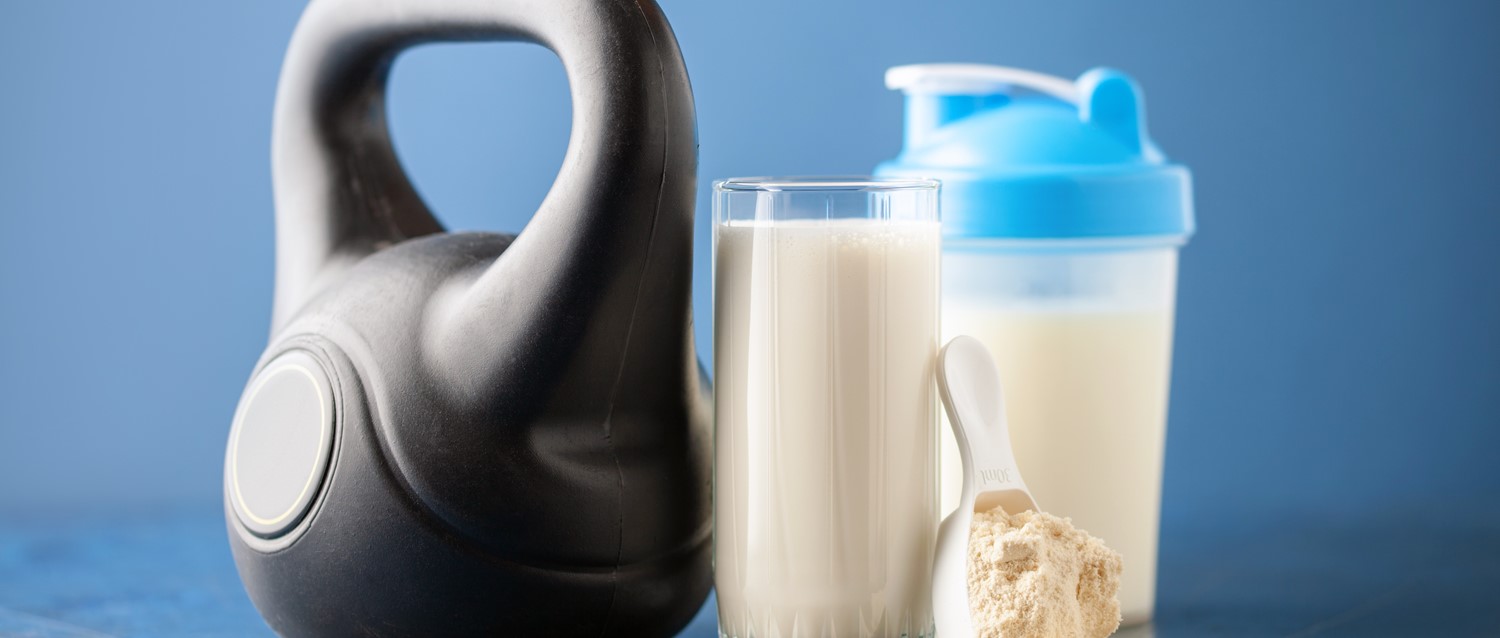
How a protein-packed breakfast can boost your health
When we think of breakfast, we often picture a bowl of cornflakes with milk. While it’s a classic morning staple, it might not be the most effective way to start your day, as it lacks protein. Adding more protein to your breakfast can boost your energy levels and help keep you feeling full for longer.
by Victoria Raw
Treatment and medication
Are protein shakes good for weight loss?
Protein shakes have experienced a surge in popularity recently, with many people now drinking them daily to aid their journeys to improved fitness and better health. But what benefits do they offer, and can you drink protein shakes for weight loss?
by Emily Jane Bashforth

Diet and nutrition
10 sources of plant-based protein for bone health
Plant-based diets are growing in popularity. People choose this way of eating for various reasons - to boost their health, help animals, and protect the environment. But switching to a plant-based diet may mean you're missing out on vital, bone-friendly nutrients. One of these is protein.
by Victoria Raw
Healthy living
Natural protein verses protein powder: which is better for strength training?
Consuming enough protein is essential for building strong muscles. Protein powder shakes are not a complete replacement for natural protein sources found in your food. However, you may consider supplementing your diet and strength-training regime with protein shakes. Before you decide if this is right for you, there are several benefits and considerations to take into account.
by Amberley Davis

Diet and nutrition
How much protein do you need to build muscle?
If you wish to build muscle, there is no escaping the importance of protein. Why do we need protein to build muscle, and how much protein intake do we need to maximise muscle gain?
by Amberley Davis
Healthy living
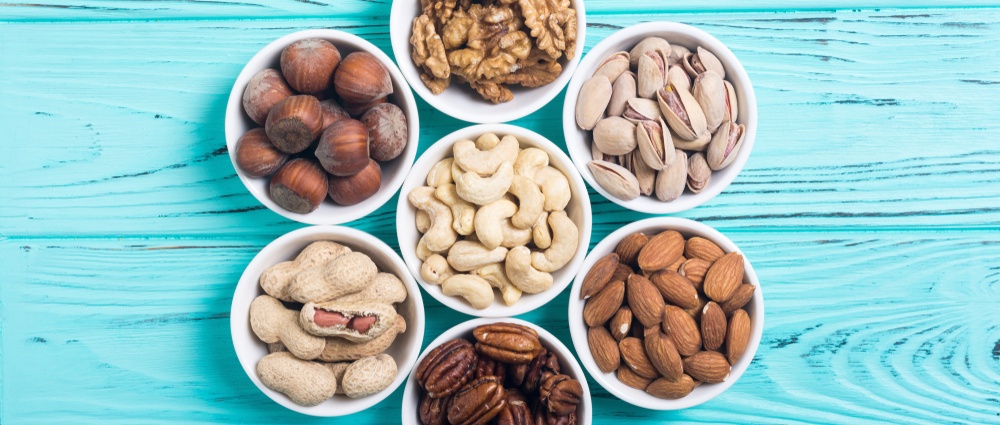
8 high-protein nuts to boost your strength
Packed with protein, delicious, easy to eat, and versatile - nuts are a great source of fuel for people building their fitness and strength. But not all nuts are created equal, which is why we count down the top eight nuts you should eat while strength training and serve these up with tasty recipe ideas.
by Lynn Stephen
Related patient information and medicines

Patient information leaflet
Thrombophilia
In some cases if you have relatives who have the thrombophilias antithrombin deficiency or Protein C/Protein S deficiency. Protein C deficiency Protein C is a natural anticoagulant chemical in the blood. The deficiency can be genetic, or due to other conditions such as kidney disease. They will ge... This is treated with protein C concentrates and.

Patient information leaflet
Healthy eating
If you are overweight or obese, eating a healthy diet can help you lose weight Weight reduction. Protein foods. These include meat, fish, eggs and other non-dairy sources of protein (including nuts, tofu, beans, pulses, etc). These may already have added vitamin D. Protein Other protein-containing foods include meat, fish, eggs and plant sources.

Patient information leaflet
Genetic testing
Genetic testing is a type of medical test that identifies changes in chromosomes, genes or proteins. Genes contain the information our bodies need to make chemicals called proteins. Proteins form the structure of our bodies and play an important role in the processes that keep us alive. Genes, which are made up of DNA, act as instructions to make.

Patient information leaflet
Dukan diet
What is the Dukan diet. The Dukan diet was developed by Pierre Dukan. It is one of the high-protein diets in which both fats and carbohydrates are restricted. The permitted foods vary depending on what phase of th... Foods allowed include: Lean protein such as chicken, turkey, lean beef, lean ham, and veal. All fish and shellfish, including trout,.

Patient information leaflet
Contact lenses
Some silicone hydrogel lenses allow so much oxygen through that they can be wor... In some cases you may also need to use protein removers to clean deposits (produced by your eyes) off your lenses. Depending on how much protein your eyes deposit on your contacts, you may need to use a product for protein removal. Cleaning removes some protein but.

Patient information leaflet
Gastrointestinal malabsorption
Gastrointestinal malabsorption syndrome means a failure to fully absorb digested foods... Prolonged intestinal malabsorption may cause problems because of a lack of carbohydrates, proteins, fats, minerals and vitamins that are essential to keep you healthy. Cow's milk protein allergy Cow's milk protein allergy. However, treatment will also be.
Further reading and references
- protein S; MedlinePlus, National Library of Medicine.
- Alshehri FS, Bashmeil AA, Alamar IA, Alouda SK. The natural anticoagulant protein S; hemostatic functions and deficiency. Platelets. 2024 Dec;35(1):2337907. doi: 10.1080/09537104.2024.2337907. Epub 2024 Apr 11.
- Castoldi E, Hackeng TM. Regulation of coagulation by protein S. Curr Opin Hematol. 2008 Sep;15(5):529-36. doi: 10.1097/MOH.0b013e328309ec97.
- Garcia de Frutos P, Fuentes-Prior P, Hurtado B, Sala N. Molecular basis of protein S deficiency. Thromb Haemost. 2007 Sep;98(3):543-56.
- Gierula M, Ahnstrom J. Anticoagulant protein S-New insights on interactions and functions. J Thromb Haemost. 2020 Nov;18(11):2801-2811. doi: 10.1111/jth.15025. Epub 2020 Aug 24.
- Gupta A, Tun AM, Gupta K, Tuma F. Protein S Deficiency. 2022 Dec 5. In: StatPearls [Internet]. Treasure Island (FL): StatPearls Publishing; 2022 Jan-. Available from http://www.ncbi.nlm.nih.gov/books/NBK544344/
- Hackeng TM, Maurissen LF, Castoldi E, Rosing J. Regulation of TFPI function by protein S. J Thromb Haemost. 2009 Jul;7 Suppl 1:165-8. doi: 10.1111/j.1538-7836.2009.03363.x.
- Pintao MC, Garcia AA, Borgel D, Alhenc-Gelas M, Spek CA, de Visser MC, Gandrille S, Reitsma PH. Gross deletions/duplications in PROS1 are relatively common in point mutation-negative hereditary protein S deficiency. Hum Genet. 2009 Sep;126(3):449-56. doi: 10.1007/s00439-009-0687-9. Epub 2009 May 23.
- Ten Kate MK, Platteel M, Mulder R, Terpstra P, Nicolaes GA, Reitsma PH, van der Steege G, van der Meer J. PROS1 analysis in 87 pedigrees with hereditary protein S deficiency demonstrates striking genotype-phenotype associations. Hum Mutat. 2008 Jul;29(7):939-47. doi: 10.1002/humu.20687.
- ten Kate MK, van der Meer J. Protein S deficiency: a clinical perspective. Haemophilia. 2008 Nov;14(6):1222-8. doi: 10.1111/j.1365-2516.2008.01775.x. Epub 2008 May 7.
Share your thoughts or experiences with others in our patient communities.
Simple access to trusted treatments and health services online.
Common conditions
Get help with common conditions through the NHS, without a GP appointment.





Sign up to the Patient newsletter
Your weekly dose of clear, trustworthy health advice - written to help you feel informed, confident and in control.
By subscribing you accept our Privacy Policy. You can unsubscribe at any time. We never sell your data.