RAS p21 protein activator 1
Last updated 18 Aug 2020
Meets Patient’s editorial guidelines
- DownloadDownload
- Share
- Language
- Discussion
- Ask Patient
- Audio Version
- Add to preferred sources on Google
The RASA1 gene provides instructions for making a protein called p120-RasGAP. This protein helps regulate the RAS/MAPK signaling pathway, which transmits signals from outside the cell to the cell's nucleus. The RAS/MAPK signaling pathway helps direct several important cell functions, including the growth and division (proliferation) of cells, the process by which cells mature to carry out specific functions (differentiation), and cell movement. The p120-RasGAP protein is a negative regulator of the RAS/MAPK signaling pathway, which means it is involved in turning off these signals when they are not needed.
Video picks for GenesVideo library
Normal function
The RASA1 gene provides instructions for making a protein called p120-RasGAP. This protein helps regulate the RAS/MAPK signaling pathway, which transmits signals from outside the cell to the cell's nucleus. The RAS/MAPK signaling pathway helps direct several important cell functions, including the growth and division (proliferation) of cells, the process by which cells mature to carry out specific functions (differentiation), and cell movement. The p120-RasGAP protein is a negative regulator of the RAS/MAPK signaling pathway, which means it is involved in turning off these signals when they are not needed.
The exact role of p120-RasGAP is not fully understood. However, it appears to be essential for the normal development of the vascular system, which is the complex network of arteries, veins, and capillaries that carry blood to and from the heart.
Conditions referring to this gene or chromosome
Other names
DKFZp434N071
GAP
GTPase-activating protein
p120
p120GAP
p120RASGAP
ras GTPase-activating protein 1
RAS p21 protein activator (GTPase activating protein) 1
RASA
RASA1_HUMAN
RASGAP
triphosphatase-activating protein
Patient picks for Genes
Healthy living
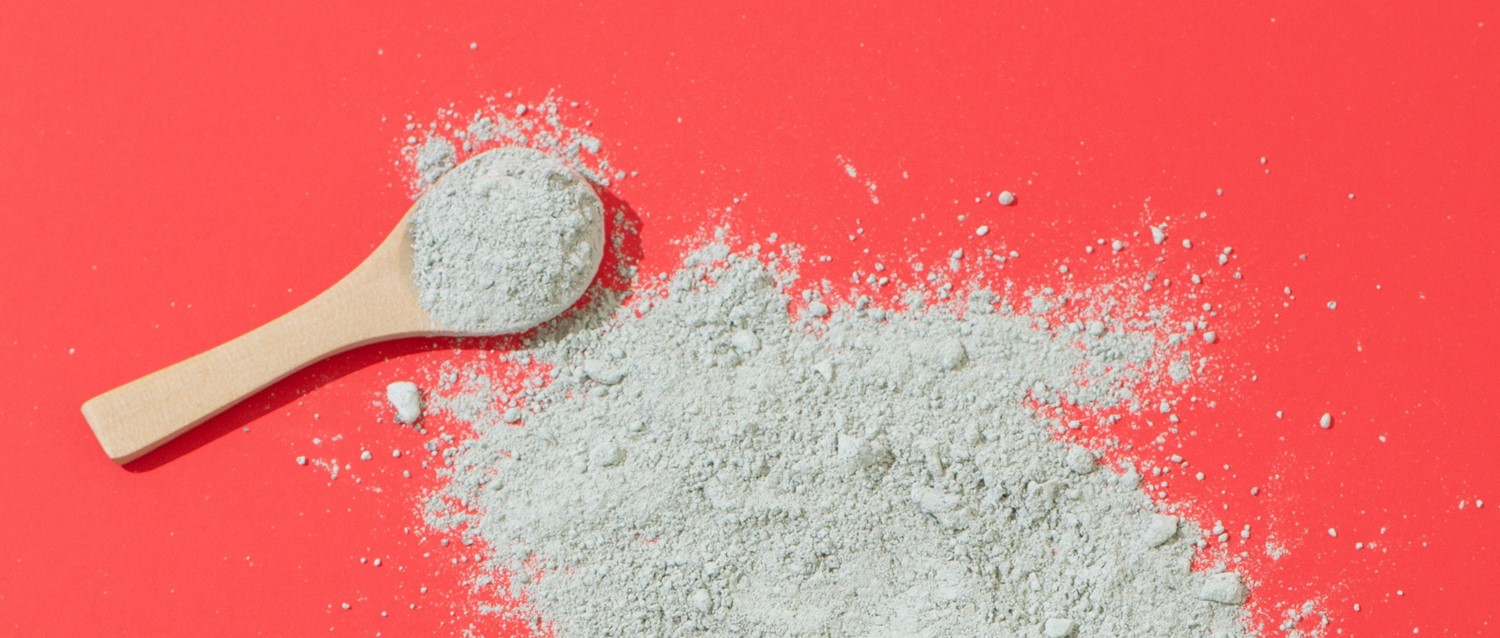
Natural protein verses protein powder: which is better for strength training?
Consuming enough protein is essential for building strong muscles. Protein powder shakes are not a complete replacement for natural protein sources found in your food. However, you may consider supplementing your diet and strength-training regime with protein shakes. Before you decide if this is right for you, there are several benefits and considerations to take into account.
by Amberley Davis

Skin, nail and hair health
Pemphigus vulgaris
Pemphigus vulgaris is a very serious skin disease that causes blisters. It is rare. Pemphigus vulgaris is more serious than most other blistering skin conditions. Before treatment became available, most people with the condition used to die soon after the disease started. These days most cases can be controlled with treatment. Treatment is usually with steroid medicines and other medicines to suppress the immune system. A skin specialist should supervise treatment.
by Dr Oliver Starr, MRCGP

Skin, nail and hair health
Bowen's disease
Bowen's disease is a very early form of skin cancer. It causes one or more small patches of scaly red skin. It occurs when skin cancer cells grow in the outer layer of the skin, but don't spread any deeper into the skin, or elsewhere in the body. Because these cancer cells stay in the outer layer of the skin, they don't cause serious problems in themselves. However, over time, there is a chance that these cells can develop into a different type of skin cancer, which can cause problems. So, Bowen's disease is generally treated to stop this happening. Close follow-up is needed after treatment to check for any return (recurrence) of Bowen's disease.
by Dr Doug McKechnie, MRCGP

Skin, nail and hair health
Discoid lupus
Discoid lupus is a rare skin condition but it is very long-lasting. It is usually sensitive to sunlight and causes scarring when the lesions heal.
by Dr Colin Tidy, MRCGP

Skin, nail and hair health
Purpura
Because there are so many causes for purpura, diagnosing the reason why you have developed a purpuric rash takes a bit of detective work.
by Dr Hayley Willacy, FRCGP

Treatment and medication
Are protein shakes good for weight loss?
Protein shakes have experienced a surge in popularity recently, with many people now drinking them daily to aid their journeys to improved fitness and better health. But what benefits do they offer, and can you drink protein shakes for weight loss?
by Emily Jane Bashforth
Related patient information and medicines
Patient information leaflet
Rheumatoid arthritis
The earlier treatment is started, the less joint damage is likely to occur. Surgery is needed in some cases if a joint becomes badly damaged. What is rheumatoid arthritis. Arthritis Arthritis means inflammation of joints. Rheumatoid arthritis (RA) is a fairly common form of arthritis What's the difference between osteoarthritis and rheumatoid.
Patient information leaflet
Biological medicines for rheumatoid arthritis
Biological medicines are a newer type of medicine, used to ease the symptoms of rheumatoid arthritis and reduce the damaging effect of the disease on the joints.
Patient information leaflet
Disease-modifying antirheumatic drugs
Disease-modifying antirheumatic drugs (DMARDs) are medicines that are normally prescribed as soon as rheumatoid arthritis (RA) is diagnosed, in order to reduce damage to the joints. Rarely, they can have serious side-effects affecting the blood, liver, or kidneys. Disease-modifying antirheumatic drugs (DMARDs) are a group of medicines that are.

Patient information leaflet
Muscular dystrophy
Other people in the family can also be tested to see if they have a muscular dystrophy gene. Muscular dystrophy cannot be cured but there are various treatments which can help. What is muscular dystrophy. Muscular dystrophy (MD) is the name given to a group of disorders which cause progressive muscle weakness (meaning it gets worse over time)..

Patient information leaflet
Bottle-feeding your baby
What is cow's milk allergy. Cow's milk allergy (or cow's milk protein allergy, CMPA) is an allergy to one or more types of the main proteins in milk, casein and whey. It affects around 1 in 15 babies under a year old, although it is less common in exclusively breast-fed babies (only around 1 in 200), it is more common in babies who have, or whose.

Patient information leaflet
Diabetic kidney disease
Diabetic kidney disease is one of the causes of chronic kidney disease Chronic kidney disease , a long-term condition where the kidneys do not work as well as they should. In diabetic kidney disease, the filters of the kidneys, the glomeruli, become damaged. Because of this the kidneys 'leak' abnormal amounts of protein from the blood into the.
Further reading and references
- RAS p21 protein activator 1; MedlinePlus, National Library of Medicine.
- Bayrak-Toydemir P, Stevenson DA. Capillary Malformation-Arteriovenous Malformation Syndrome. 2011 Feb 22 [updated 2019 Sep 12]. In: Adam MP, Bick S, Mirzaa GM, Wallace SE, Amemiya A, editors. GeneReviews(R) [Internet]. Seattle (WA): University of Washington, Seattle; 1993-2026. Available from http://www.ncbi.nlm.nih.gov/books/NBK52764/
- Boon LM, Mulliken JB, Vikkula M. RASA1: variable phenotype with capillary and arteriovenous malformations. Curr Opin Genet Dev. 2005 Jun;15(3):265-9. doi: 10.1016/j.gde.2005.03.004.
- Eerola I, Boon LM, Mulliken JB, Burrows PE, Dompmartin A, Watanabe S, Vanwijck R, Vikkula M. Capillary malformation-arteriovenous malformation, a new clinical and genetic disorder caused by RASA1 mutations. Am J Hum Genet. 2003 Dec;73(6):1240-9. doi: 10.1086/379793. Epub 2003 Nov 24.
- Friedman E, Gejman PV, Martin GA, McCormick F. Nonsense mutations in the C-terminal SH2 region of the GTPase activating protein (GAP) gene in human tumours. Nat Genet. 1993 Nov;5(3):242-7. doi: 10.1038/ng1193-242.
- Kulkarni SV, Gish G, van der Geer P, Henkemeyer M, Pawson T. Role of p120 Ras-GAP in directed cell movement. J Cell Biol. 2000 Apr 17;149(2):457-70. doi: 10.1083/jcb.149.2.457.
- Revencu N, Boon LM, Mulliken JB, Enjolras O, Cordisco MR, Burrows PE, Clapuyt P, Hammer F, Dubois J, Baselga E, Brancati F, Carder R, Quintal JM, Dallapiccola B, Fischer G, Frieden IJ, Garzon M, Harper J, Johnson-Patel J, Labreze C, Martorell L, Paltiel HJ, Pohl A, Prendiville J, Quere I, Siegel DH, Valente EM, Van Hagen A, Van Hest L, Vaux KK, Vicente A, Weibel L, Chitayat D, Vikkula M. Parkes Weber syndrome, vein of Galen aneurysmal malformation, and other fast-flow vascular anomalies are caused by RASA1 mutations. Hum Mutat. 2008 Jul;29(7):959-65. doi: 10.1002/humu.20746.
Share your thoughts or experiences with others in our patient communities.
Simple access to trusted treatments and health services online.
Common conditions
Get help with common conditions through the NHS, without a GP appointment.





Sign up to the Patient newsletter
Your weekly dose of clear, trustworthy health advice - written to help you feel informed, confident and in control.
By subscribing you accept our Privacy Policy. You can unsubscribe at any time. We never sell your data.