surfactant protein B
Last updated 18 Aug 2020
Meets Patient’s editorial guidelines
- DownloadDownload
- Share
- Language
- Discussion
- Audio Version
- Add to preferred sources on Google
The SFTPB gene provides instructions for making a protein called surfactant protein-B (SP-B). This protein is one of four proteins (each produced from a different gene) in surfactant, a mixture of certain fats (called phospholipids) and proteins that lines the lung tissue and makes breathing easy. Without normal surfactant, the tissue surrounding the air sacs in the lungs (the alveoli) sticks together after exhalation (because of a force called surface tension), causing the alveoli to collapse. As a result, filling the lungs with air on each breath becomes very difficult, and the delivery of oxygen to the body is impaired. Surfactant lowers surface tension, easing breathing and avoiding lung collapse. The SP-B protein helps spread the surfactant across the surface of the lung tissue, aiding in the surface tension-lowering property of surfactant.
Normal function
The SFTPB gene provides instructions for making a protein called surfactant protein-B (SP-B). This protein is one of four proteins (each produced from a different gene) in surfactant, a mixture of certain fats (called phospholipids) and proteins that lines the lung tissue and makes breathing easy. Without normal surfactant, the tissue surrounding the air sacs in the lungs (the alveoli) sticks together after exhalation (because of a force called surface tension), causing the alveoli to collapse. As a result, filling the lungs with air on each breath becomes very difficult, and the delivery of oxygen to the body is impaired. Surfactant lowers surface tension, easing breathing and avoiding lung collapse. The SP-B protein helps spread the surfactant across the surface of the lung tissue, aiding in the surface tension-lowering property of surfactant.
The phospholipids and proteins that make up surfactant are packaged in cellular structures known as lamellar bodies, which are found in specialized lung cells. The surfactant proteins must go through several processing steps to mature and become functional; some of these steps occur in lamellar bodies. The SP-B protein plays a role in the formation of lamellar bodies and, thus, affects the processing of a surfactant protein called surfactant protein-C (SP-C).
Conditions referring to this gene or chromosome
Other names
18 kDa pulmonary-surfactant protein
6 kDa protein
PSP-B
PSPB_HUMAN
pulmonary surfactant-associated protein B
pulmonary surfactant-associated proteolipid SPL(Phe)
SFTP3
SMDP1
SP-B
Related patient information and medicines

Patient information leaflet
Premature babies
This is very common in extremely premature babies born before 28 we... It is due to the lungs not being developed enough to be ready to breathe in air. This is partly due to lack of a substance called surfactant, produced by the lungs, which stops the air spaces from collapsing. An artificial surfactant product can be given to the baby's lungs to.
Patient information leaflet
Urine dipstick test
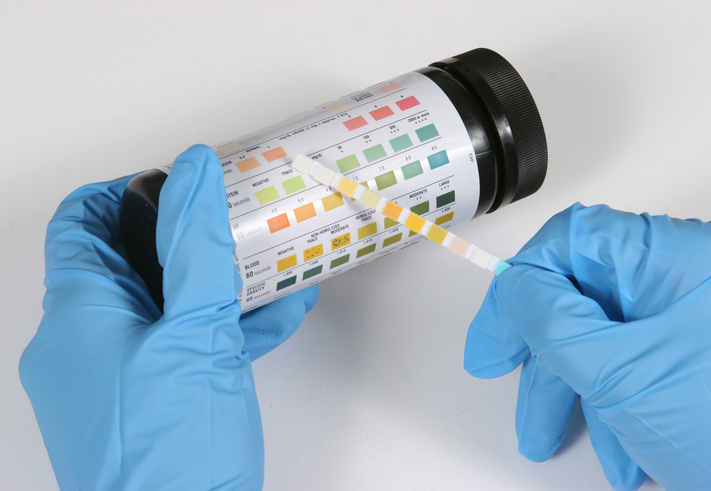
A urine dipstick test tests the urine using a special strip of paper that is dipped into a sample of urine. The result is available almost immediately. Urine contains waste chemicals from all of the millions of chemical reactions that go on in the body all the time. Will usually need to be... Protein Protein is normally found in the urine in tiny.

Patient information leaflet
Healthy eating
Healthy eating may help to prevent certain serious diseases such as heart disease , stroke and type 2 diabetes. It may also help to reduce your risk of developing some cancers. Protein foods. These include meat, fish, eggs and other non-dairy sources of protein (including nuts, tofu, beans, pulses, etc). For this reason, the UK Government's.

Patient information leaflet
Gastrointestinal malabsorption
Gastrointestinal malabsorption syndrome means a failure to fully absorb digested foods from the gut (bowel) into your body. There are many different causes. Prolonged intestinal malabsorption may cause problems because of a lack of carbohydrates, proteins, fats, minerals and vitamins that are essential to keep you healthy. The treatment will.

Patient information leaflet
Contact lenses
Care of contact lenses is aimed at preventing them from becoming contaminated with chemicals or debris, or with bugs (pathogens) that can damage your eyes. In particular a bug called acanthamoeba can cause serious eye infection. Care of your eyes involves washing your hands, thoroughly and with soap (avoiding moisturising soaps, which are not good.

Patient information leaflet
Mediterranean diet
Here's a quick guide for those who would like to try it: Maximise your intake of vegetables, peas and beans (legumes), fruits and wholegrain cereals. Limit your red meat intake - fish and poultry are healthier substitutes. Mediterranean Diet ingredients Vegetables and fruits The World Health Organization (WHO) - and the UK Government's Change4Life.
Further reading and references
- surfactant protein B; MedlinePlus, National Library of Medicine.
- Nogee LM, Garnier G, Dietz HC, Singer L, Murphy AM, deMello DE, Colten HR. A mutation in the surfactant protein B gene responsible for fatal neonatal respiratory disease in multiple kindreds. J Clin Invest. 1994 Apr;93(4):1860-3. doi: 10.1172/JCI117173.
- Nogee LM, Wert SE, Proffit SA, Hull WM, Whitsett JA. Allelic heterogeneity in hereditary surfactant protein B (SP-B) deficiency. Am J Respir Crit Care Med. 2000 Mar;161(3 Pt 1):973-81. doi: 10.1164/ajrccm.161.3.9903153.
- Weaver TE. Synthesis, processing and secretion of surfactant proteins B and C. Biochim Biophys Acta. 1998 Nov 19;1408(2-3):173-9. doi: 10.1016/s0925-4439(98)00066-0.
Join the conversation
Share your thoughts or experiences with others in our patient communities.

Ask, share, connect.
Browse discussions, ask questions, and share experiences across hundreds of health topics.
Sign up to the Patient newsletter
Your weekly dose of clear, trustworthy health advice - written to help you feel informed, confident and in control.
By subscribing you accept our Privacy Policy. You can unsubscribe at any time. We never sell your data.