ubiquitin protein ligase E3A
Last updated 8 May 2023
Meets Patient’s editorial guidelines
- DownloadDownload
- Share
- Language
- Discussion
- Ask Patient
- Audio Version
- Add to preferred sources on Google
The UBE3A gene provides instructions for making a protein called ubiquitin protein ligase E3A. Ubiquitin protein ligases are enzymes that target other proteins to be broken down (degraded) within cells. These enzymes attach a small molecule called ubiquitin to proteins that should be degraded. Cellular structures called proteasomes recognise and digest these ubiquitin-tagged proteins. Protein degradation is a normal process that removes damaged or unnecessary proteins and helps maintain the normal functions of cells.
Video picks for GenesVideo library
Normal function
The UBE3A gene provides instructions for making a protein called ubiquitin protein ligase E3A. Ubiquitin protein ligases are enzymes that target other proteins to be broken down (degraded) within cells. These enzymes attach a small molecule called ubiquitin to proteins that should be degraded. Cellular structures called proteasomes recognise and digest these ubiquitin-tagged proteins. Protein degradation is a normal process that removes damaged or unnecessary proteins and helps maintain the normal functions of cells.
Studies suggest that ubiquitin protein ligase E3A plays a critical role in the normal development and function of the nervous system. Studies suggest that it helps control (regulate) the balance of protein synthesis and degradation (proteostasis) at the junctions between nerve cells (synapses) where cell-to-cell communication takes place. Regulation of proteostasis is important for the synapses to change and adapt over time in response to experience, a characteristic called synaptic plasticity. Synaptic plasticity is critical for learning and memory.
People normally inherit two copies of the UBE3A gene, one from each parent. Both copies of the gene are turned on (active) in most of the body's tissues. However, in nerve cells (neurons) in the brain and spinal cord (the central nervous system), only the copy inherited from a person's mother (the maternal copy) is active. This parent-specific gene activation results from a phenomenon known as genomic imprinting.
Conditions referring to this gene or chromosome
Other names
ANCR
CTCL tumour antigen se37-2
E6-AP
E6AP ubiquitin-protein ligase
EPVE6AP
HPVE6A
human papilloma virus E6-associated protein
oncogenic protein-associated protein E6-AP
UBE3A_HUMAN
ubiquitin protein ligase E3A (human papilloma virus E6-associated protein, Angelman syndrome)
Patient picks for Genes

Diet and nutrition
How a protein-packed breakfast can boost your health
When we think of breakfast, we often picture a bowl of cornflakes with milk. While it’s a classic morning staple, it might not be the most effective way to start your day, as it lacks protein. Adding more protein to your breakfast can boost your energy levels and help keep you feeling full for longer.
by Victoria Raw

Healthy living
Natural protein verses protein powder: which is better for strength training?
Consuming enough protein is essential for building strong muscles. Protein powder shakes are not a complete replacement for natural protein sources found in your food. However, you may consider supplementing your diet and strength-training regime with protein shakes. Before you decide if this is right for you, there are several benefits and considerations to take into account.
by Amberley Davis

Diet and nutrition
Plant-based proteins could help prevent high blood pressure
Eating a greater amount of minimally processed plant-based proteins - such as beans, nuts and lentils - may lower your chance of developing high blood pressure, according to new research.
by Laura Williamson
Healthy living
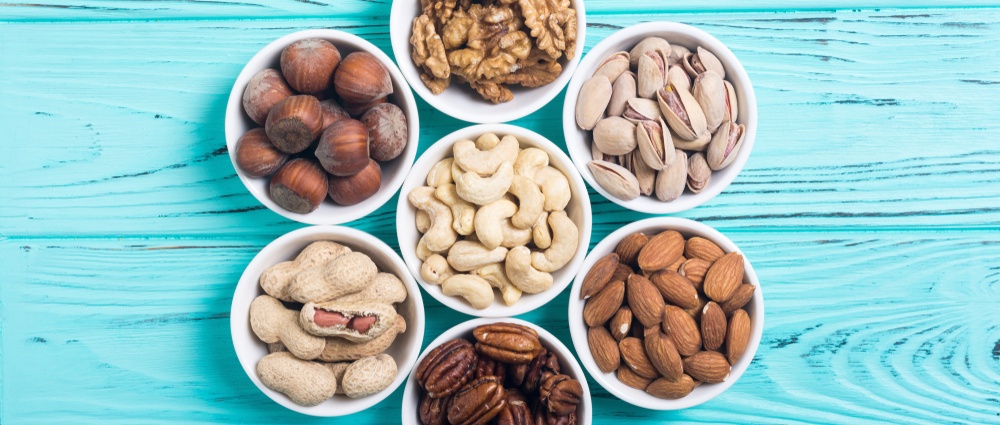
8 high-protein nuts to boost your strength
Packed with protein, delicious, easy to eat, and versatile - nuts are a great source of fuel for people building their fitness and strength. But not all nuts are created equal, which is why we count down the top eight nuts you should eat while strength training and serve these up with tasty recipe ideas.
by Lynn Stephen

Diet and nutrition
10 sources of plant-based protein for bone health
Plant-based diets are growing in popularity. People choose this way of eating for various reasons - to boost their health, help animals, and protect the environment. But switching to a plant-based diet may mean you're missing out on vital, bone-friendly nutrients. One of these is protein.
by Victoria Raw

Kidney and urinary tract
Proteinuria
Proteins are molecules that are found in almost every part of the body, including in the blood. The kidneys normally have a filter which stops protein from entering the urine, except in very tiny amounts; however, kidney problems can cause higher levels of protein to be found in the urine.
by Dr Doug McKechnie, MRCGP
Related patient information and medicines

Patient information leaflet
Can I take Certican (Everolimus) and Matcha together?
Drinking matcha tea while taking Certican (everolimus) may ... This could lead to an increased risk of side effects, such as mouth ulcers, infections, or kidney problems. Why this happens Certican is broken down in the body by a specific enzyme (CYP3A4) and a transport protein (P-glycoprotein). Matcha, which is a concentrated form of green tea,.

Patient information leaflet
Healthy eating
Healthy eating may help to prevent certain long-term (chronic) diseases such as heart disease, stroke and diabetes. It may also help to reduce your risk of developing some cancers and help you to maintain a healthy weight. This leaflet explains the principles of a healthy diet. It is general advice for most people. The advice may be different for.

Patient information leaflet
Cataracts
Posterior capsule cl... This cloudiness can usually be easily treated with a laser, although a laser cannot be used to treat a cataract itself. Can you prevent cataracts. You can’t always prevent cataracts, as they’re often linked to ageing. However, protecting your eyes from UV light, eating a healthy diet rich in antioxidants, not smoking, and.

Patient information leaflet
Coombs test
A Coombs test is a type of blood test. It is named after the person who invented it, Dr Robin Coombs. There are two types of Coombs test. What is a Coombs test. The two types of Coombs test are as follows: The direct Coombs test involves looking directly at red blood cells found in a sample of blood. The direct Coombs test is sometimes called the.
Patient information leaflet
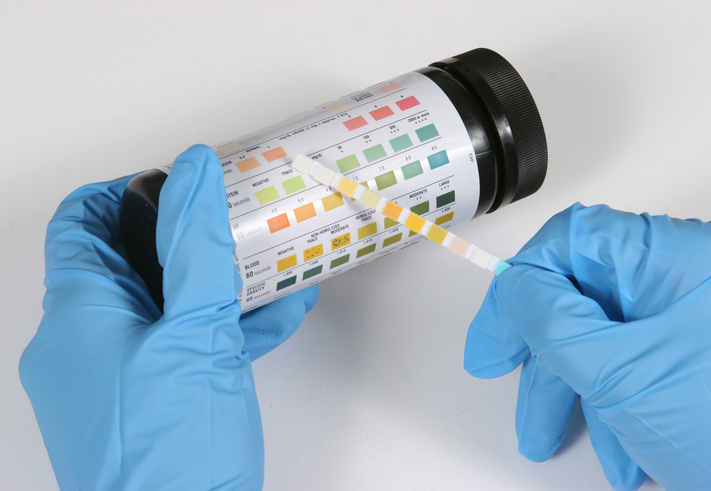
Urine dipstick test
A urine dipstick test tests the urine using a special strip of paper that is dipped into a sample of urine. The result is available almost immediately. It is sometimes called a rapid urine test. Urine contains waste chemicals from all of the millions of chemical reactions that go on in the body all the time. However, in some conditions, chemicals.

Patient information leaflet
Gastrointestinal malabsorption
Gastrointestinal malabsorption syndrome means a failure to fully absorb digested foods from the gut (bowel) into your body. There are many different causes. Prolonged intestinal malabsorption may cause problems because of a lack of carbohydrates, proteins, fats, minerals and vitamins that are essential to keep you healthy. The treatment will.
Further reading and references
- ubiquitin protein ligase E3A; MedlinePlus, National Library of Medicine.
- Bittel DC, Kibiryeva N, Talebizadeh Z, Driscoll DJ, Butler MG. Microarray analysis of gene/transcript expression in Angelman syndrome: deletion versus UPD. Genomics. 2005 Jan;85(1):85-91. doi: 10.1016/j.ygeno.2004.10.010.
- Camprubi C, Guitart M, Gabau E, Coll MD, Villatoro S, Oltra S, Rosello M, Ferrer I, Monfort S, Orellana C, Martinez F. Novel UBE3A mutations causing Angelman syndrome: different parental origin for single nucleotide changes and multiple nucleotide deletions or insertions. Am J Med Genet A. 2009 Mar;149A(3):343-8. doi: 10.1002/ajmg.a.32659.
- Clayton-Smith J, Laan L. Angelman syndrome: a review of the clinical and genetic aspects. J Med Genet. 2003 Feb;40(2):87-95. doi: 10.1136/jmg.40.2.87.
- Fang P, Lev-Lehman E, Tsai TF, Matsuura T, Benton CS, Sutcliffe JS, Christian SL, Kubota T, Halley DJ, Meijers-Heijboer H, Langlois S, Graham JM Jr, Beuten J, Willems PJ, Ledbetter DH, Beaudet AL. The spectrum of mutations in UBE3A causing Angelman syndrome. Hum Mol Genet. 1999 Jan;8(1):129-35. doi: 10.1093/hmg/8.1.129.
- Greer PL, Hanayama R, Bloodgood BL, Mardinly AR, Lipton DM, Flavell SW, Kim TK, Griffith EC, Waldon Z, Maehr R, Ploegh HL, Chowdhury S, Worley PF, Steen J, Greenberg ME. The Angelman Syndrome protein Ube3A regulates synapse development by ubiquitinating arc. Cell. 2010 Mar 5;140(5):704-16. doi: 10.1016/j.cell.2010.01.026.
- Lalande M, Calciano MA. Molecular epigenetics of Angelman syndrome. Cell Mol Life Sci. 2007 Apr;64(7-8):947-60. doi: 10.1007/s00018-007-6460-0.
- Louros SR, Osterweil EK. Perturbed proteostasis in autism spectrum disorders. J Neurochem. 2016 Dec;139(6):1081-1092. doi: 10.1111/jnc.13723. Epub 2016 Aug 4.
- Matentzoglu K, Scheffner M. Ubiquitin ligase E6-AP and its role in human disease. Biochem Soc Trans. 2008 Oct;36(Pt 5):797-801. doi: 10.1042/BST0360797.
- Moncla A, Malzac P, Livet MO, Voelckel MA, Mancini J, Delaroziere JC, Philip N, Mattei JF. Angelman syndrome resulting from UBE3A mutations in 14 patients from eight families: clinical manifestations and genetic counselling. J Med Genet. 1999 Jul;36(7):554-60.
- Noor A, Dupuis L, Mittal K, Lionel AC, Marshall CR, Scherer SW, Stockley T, Vincent JB, Mendoza-Londono R, Stavropoulos DJ. 15q11.2 Duplication Encompassing Only the UBE3A Gene Is Associated with Developmental Delay and Neuropsychiatric Phenotypes. Hum Mutat. 2015 Jul;36(7):689-93. doi: 10.1002/humu.22800.
- Singhmar P, Kumar A. Angelman syndrome protein UBE3A interacts with primary microcephaly protein ASPM, localizes to centrosomes and regulates chromosome segregation. PLoS One. 2011;6(5):e20397. doi: 10.1371/journal.pone.0020397. Epub 2011 May 25.
- Tan WH, Bacino CA, Skinner SA, Anselm I, Barbieri-Welge R, Bauer-Carlin A, Beaudet AL, Bichell TJ, Gentile JK, Glaze DG, Horowitz LT, Kothare SV, Lee HS, Nespeca MP, Peters SU, Sahoo T, Sarco D, Waisbren SE, Bird LM. Angelman syndrome: Mutations influence features in early childhood. Am J Med Genet A. 2011 Jan;155A(1):81-90. doi: 10.1002/ajmg.a.33775.
- Yi JJ, Berrios J, Newbern JM, Snider WD, Philpot BD, Hahn KM, Zylka MJ. An Autism-Linked Mutation Disables Phosphorylation Control of UBE3A. Cell. 2015 Aug 13;162(4):795-807. doi: 10.1016/j.cell.2015.06.045. Epub 2015 Aug 6.
Share your thoughts or experiences with others in our patient communities.
Simple access to trusted treatments and health services online.
Common conditions
Get help with common conditions through the NHS, without a GP appointment.





Sign up to the Patient newsletter
Your weekly dose of clear, trustworthy health advice - written to help you feel informed, confident and in control.
By subscribing you accept our Privacy Policy. You can unsubscribe at any time. We never sell your data.