How do I reduce my risk of getting malaria?
Published 18 Sept 2018Watch time: 2 min 7 sec
Meets Patient’s editorial guidelines
Watch this video
Dr Sarah Jarvis MBE
For more information on preventing malaria, go to https://patient.info/health/malaria-leaflet/malaria-prevention


Travel and vaccinations
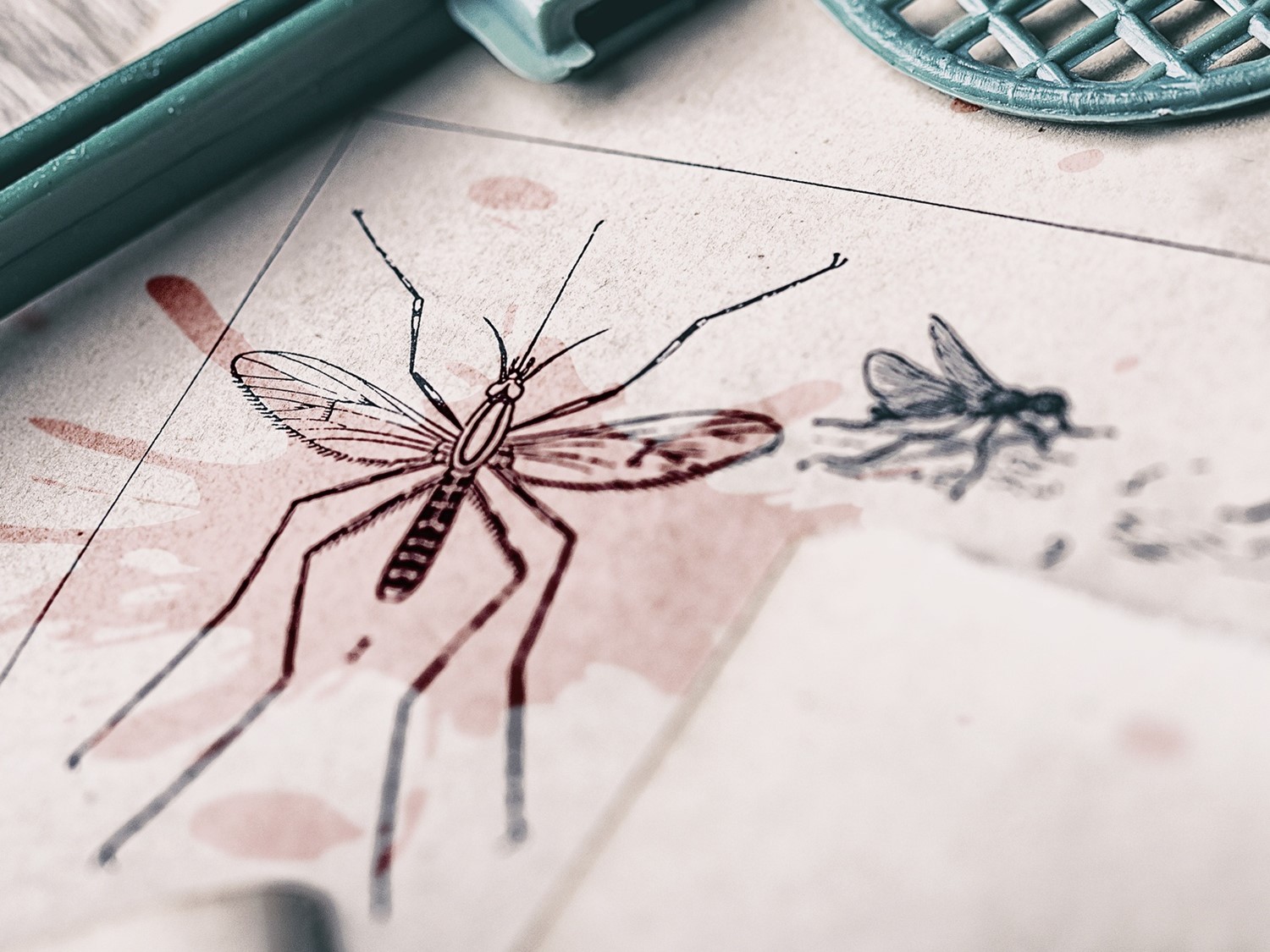
Malaria prevention
It is sensible to find out whether there is a risk of malaria in the place you are visiting. If there is a risk, you can avoid getting malaria by taking steps to avoid mosquito bites, and in some cases by taking antimalarial medication. Malaria can be a life-threatening illness, so it is extremely important to consider prevention before travelling to an at-risk area.
by Dr Hayley Willacy, FRCGP
Travel and vaccinations
Malaria
Malaria is a very serious infection which results from a bite from an infected mosquito. The most common symptoms are high temperature (fever) and a flu-like illness. The symptoms of malaria can occur up to a year after being bitten in an area in which malaria is present. Prompt treatment for malaria is essential as, without treatment, it can be fatal. This leaflet gives general information about malaria and its treatment.
by Dr Philippa Vincent, MRCGP
Travel and vaccinations
Getting malaria tablets from your pharmacist
In July 2017 the government body that regulates medicines in the UK, the MHRA, announced its decision to re-classify a widely used antimalarial tablet as a Pharmacy medicine (P). This means it can now be bought from a pharmacy without needing a prescription from your doctor. The MHRA hasn't taken this decision lightly, having considered the benefits and risks and consulted with doctors, nurses and pharmacists as well as members of the public.
by Michael Stewart, MRPharmS
Diet and nutrition
The Reducetarian diet - how to eat less meat
If you're considering cutting back on meat - whether for health, environmental, or ethical reasons - the reducetarian approach is a good way to get started. It encourages gradual, sustainable reductions in animal product consumption, allowing you to make meaningful changes at your own pace. We spoke with Olympic cycling medallist and former world record holder Switch4Good founder Dotsie Bausch about her personal journey with eating less meat, and her practical tips for reducing your own intake.
by Victoria Raw
COVID-19
Can lifestyle changes reduce your COVID-19 risk?
During the COVID-19 pandemic, we're all doing our bit to keep ourselves and others safe. Following guidelines, wearing masks when advised and practising social distancing can all help to reduce the spread of the virus. But is there anything we can do to reduce our personal risk of contracting the virus, or our risk of serious disease if we do get infected?
by Gillian Harvey

General health and lifestyle
Ideas, Concerns and Expectations - a guide to filling in your GP’s online form
Booking a GP appointment has changed. Instead of waiting on the phone line at 8am, many people now complete an online consultation form through their practice website. At first glance, it may feel like another bureaucratic hurdle. But in fact, these forms are designed to help you, and your GP team, get to the heart of your problem more quickly. The way you fill them in makes a real difference. When you provide clear, thoughtful information, it not only helps the practice decide whether something is urgent, but also ensures you are directed to the right person in the wider primary care team. That might be your GP - but it could just as easily be a nurse, a pharmacist, a physiotherapist, or another professional who can meet your needs sooner. One of the simplest tools to guide you is known as Ideas, Concerns and Expectations, or ICE.
by Thomas Andrew Porteus, MBCS
Share your thoughts or experiences with others in our patient communities.