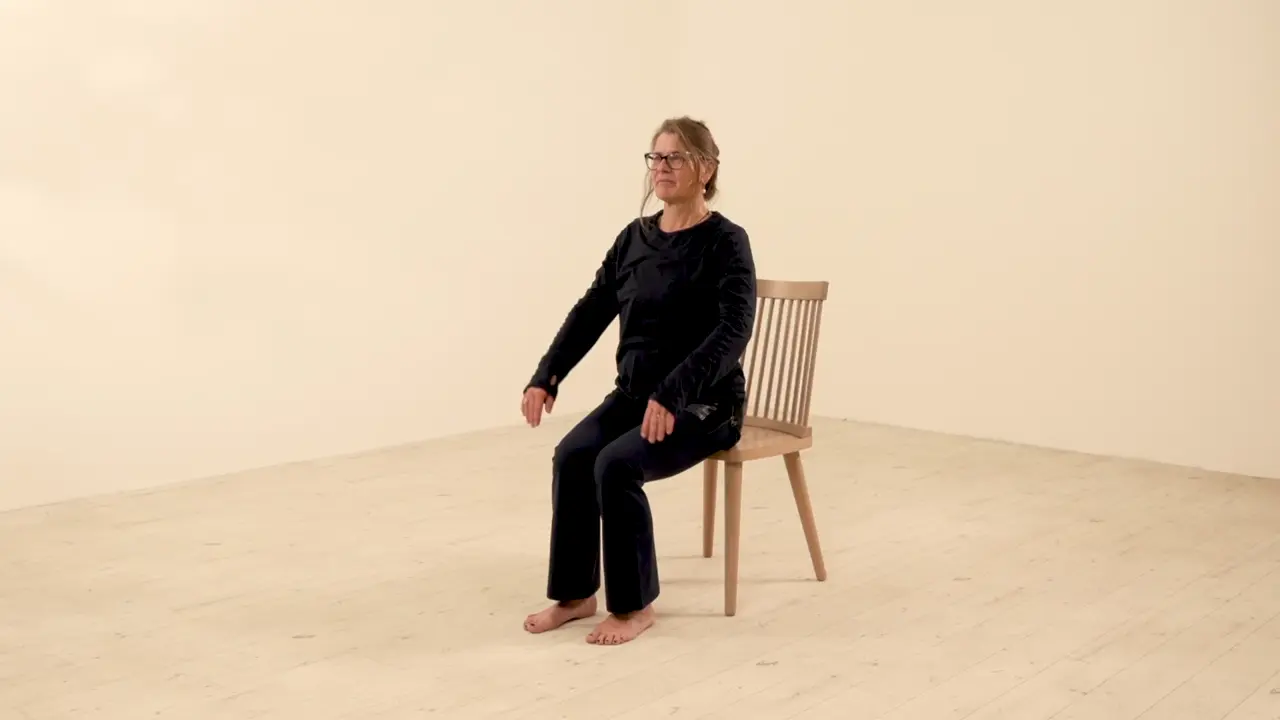
Open & Close the Chest
Published 10 Nov 202656 sec watch
Meets Patient’s editorial guidelines
- Share
- Discussion
- Ask Patient
- Audio Version
- Add to preferred sources on Google
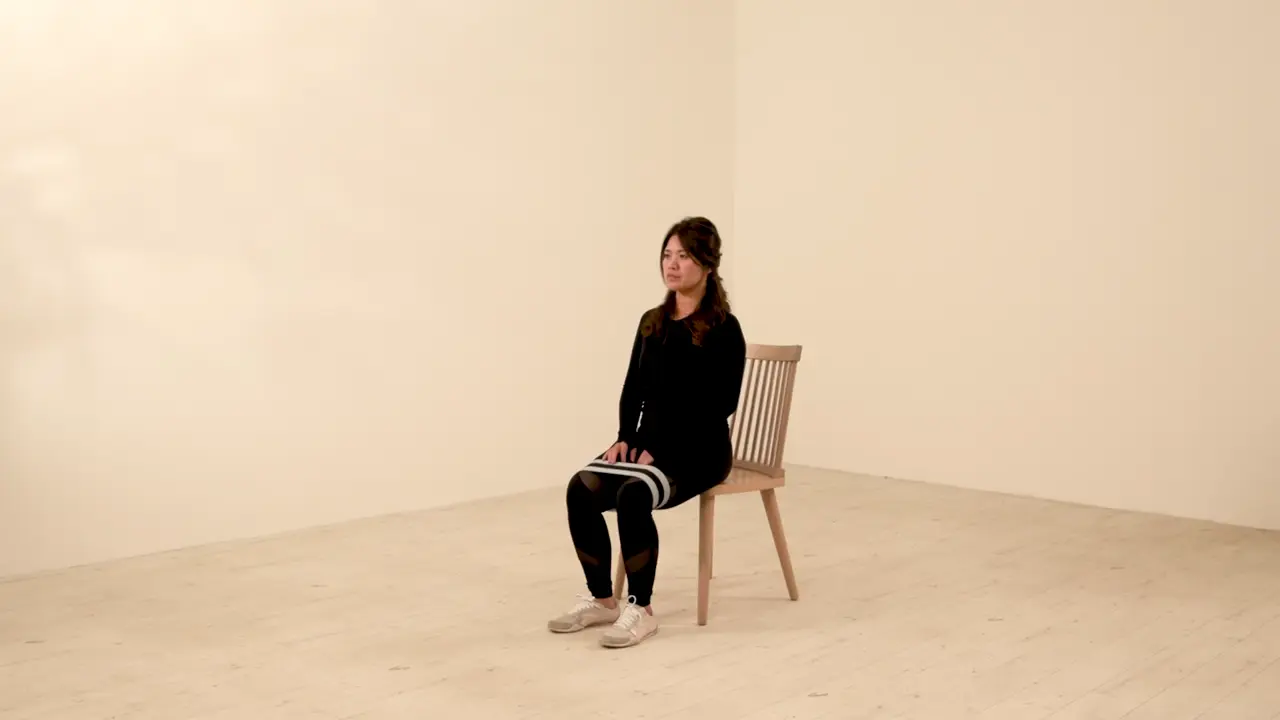
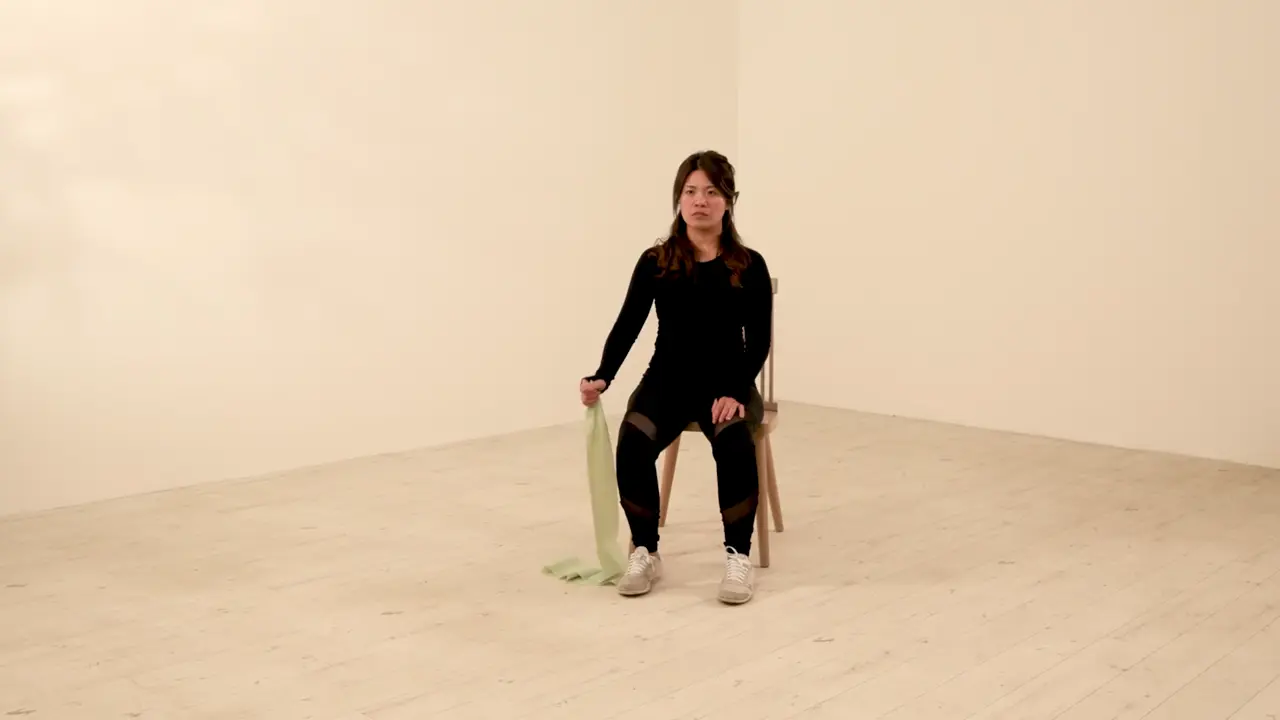
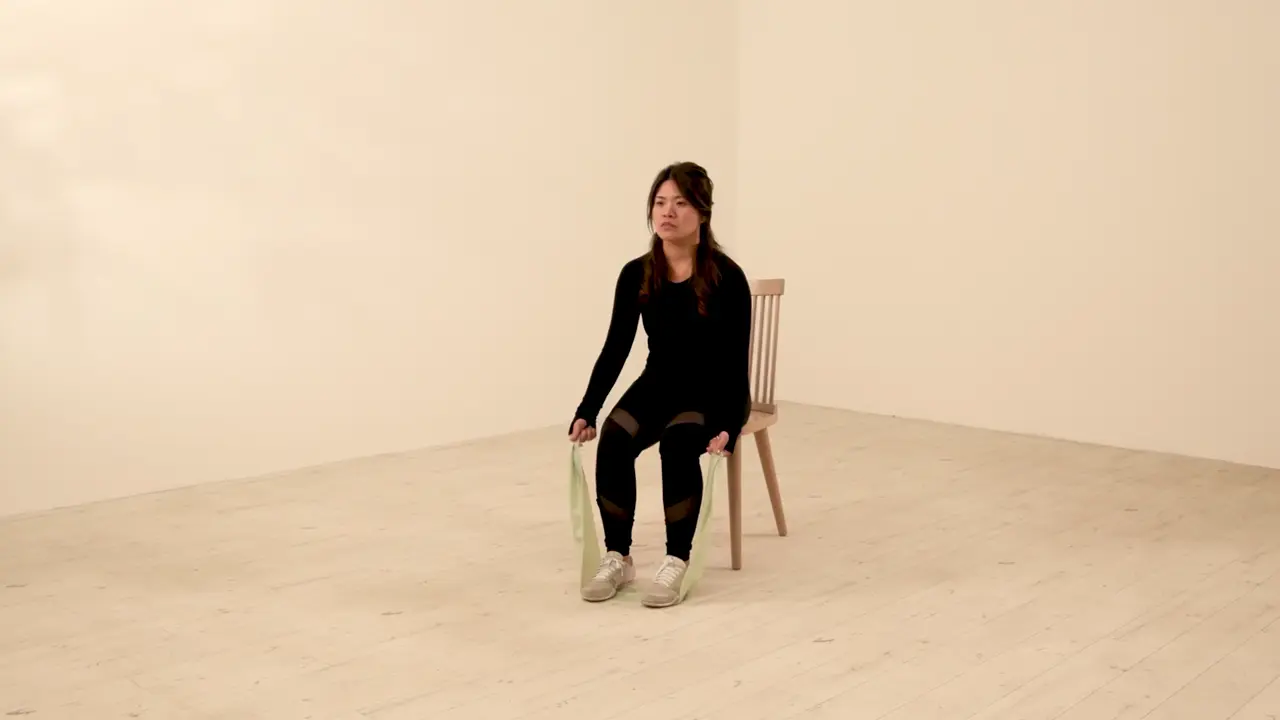
Open & Close the Chest is a fluid movement that expands and contracts the arms in rhythm with the breath. It improves respiratory function, opens the chest, and helps reduce tension across the upper body.
Video details
Patient picks

Patient information leaflet
Stress management
This leaflet gives some general tips on how to manage stress. However, contact a doctor if you develop persistent anxiety symptoms. Muscular tensing and stretching. For example, a gentle stroll or a sit in the park often helps to break out of life's stressful hustle... Exercise and maintain a healthy diet Many people feel that regular physical.

Feature
How modern life affects your weight - beyond diet and exercise
Understanding these influences helps explain why weight management isn't simply about willpower - and why supportiv... Much of the energy we burn through movement comes from everyday activities such as walking, climbing stairs, doing housework, standing, and even fidgeting. Our ability to stay active is also shaped by our health, work, finances,.
Patient information leaflet
Repetitive strain injury
Repetitive strain injury (RSI) is a condition where pain and other symptoms occur in an area of the body which has done repetitive tasks (often the arms, wrists or hands). Repetitive strain means strain related to actions which are frequently repeated. What is repetitive strain injury. The term repetitive strain injury (RSI) is used to describe a.
Feature
Can Pilates help calm your nervous system? 3 simple moves to try
Helen O’Leary, Physiotherapist and Clinical Pilates Expert at Complete Pilates in London, explains that the fight-or-flight response is useful in the short term, helping your body prepare to react quickly when faced with danger. However, if this response is activated too often or for too long, it can leave you feeli... Helen O'Leary Helen O'Leary,.

Patient information leaflet
Hand-arm vibration syndrome
Hand-arm vibration syndrome (sometimes abbreviated to HAVS) causes changes in the sensation of the fingers which can lead to permanent numbness of fingers, muscle weakness and, in some cases, bouts of white finger. It is caused by working with vibrating tools. It would be unusual to develop hand-arm vibration syndrome without using vibrating tools.
Feature
Exercise for healthy ageing
Wall push-ups - strengthen the upper body without strain on wrists or shoulders. Flexibility and mobility Healthy ageing isn’t just about building muscle, it’s also about keeping your body moving well. Stretching and mobility exercises reduce stiffness and improve posture. ... helps reduces stiffness, supportsBobbie Lalach Bobbie Lalach’s.
Share your thoughts or experiences with others in our patient communities.