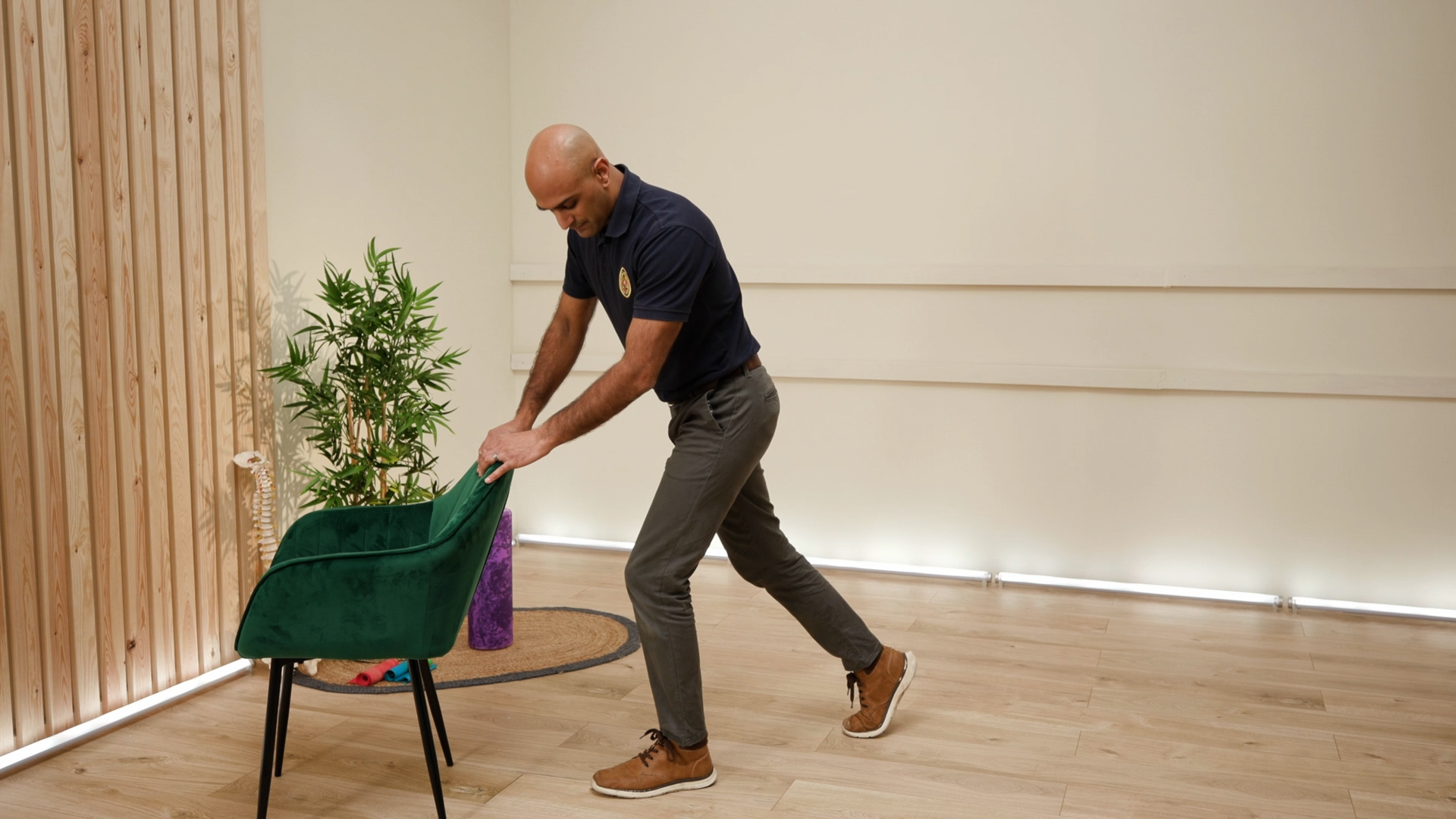
Seated March With Wide Feet
Published 26 Nov 2026
Meets Patient’s editorial guidelines
Watch this video
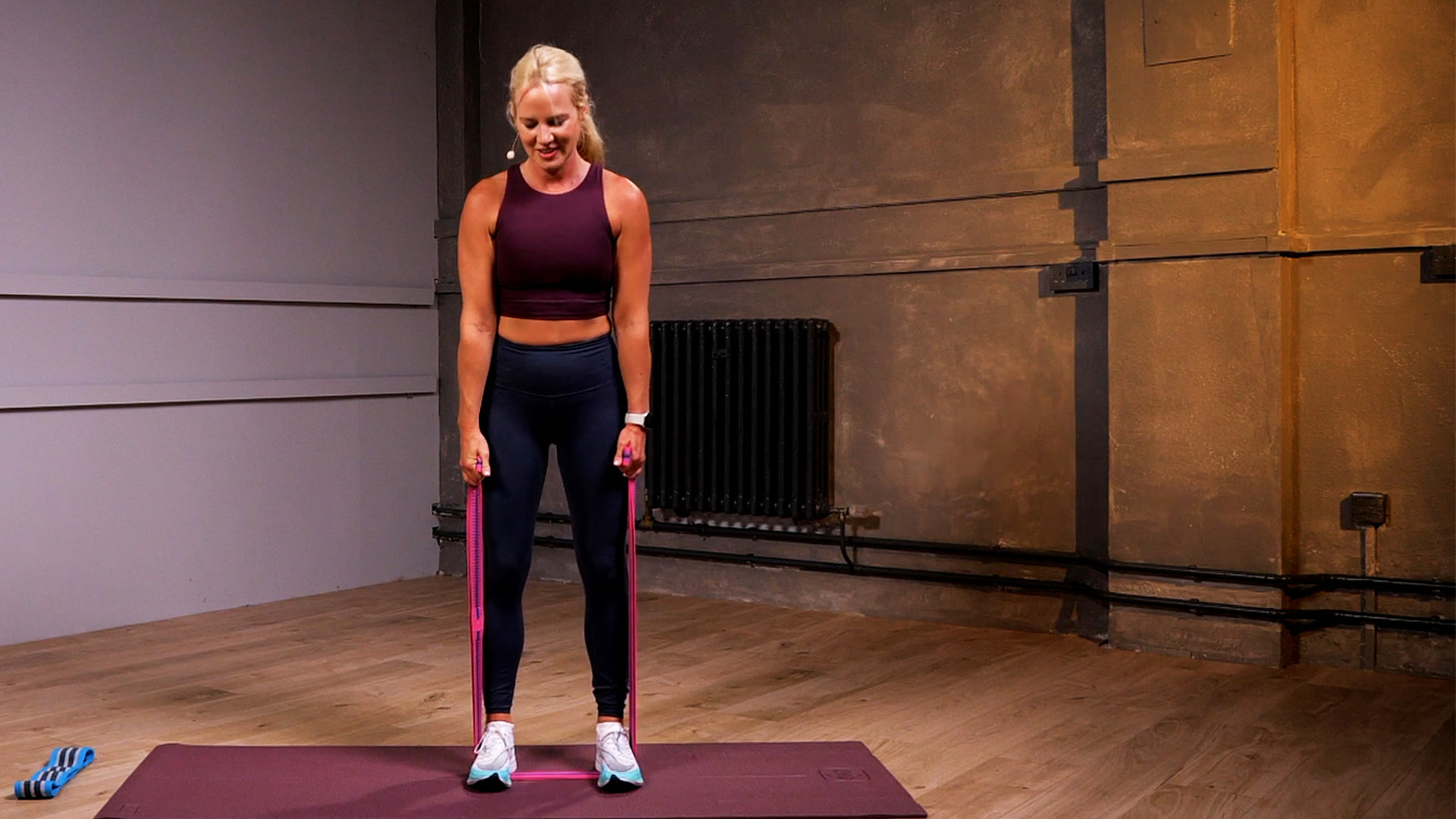
This seated amrch with wide feet targets the hip flexors and promotes core stability and balance.




Video details
Foot care
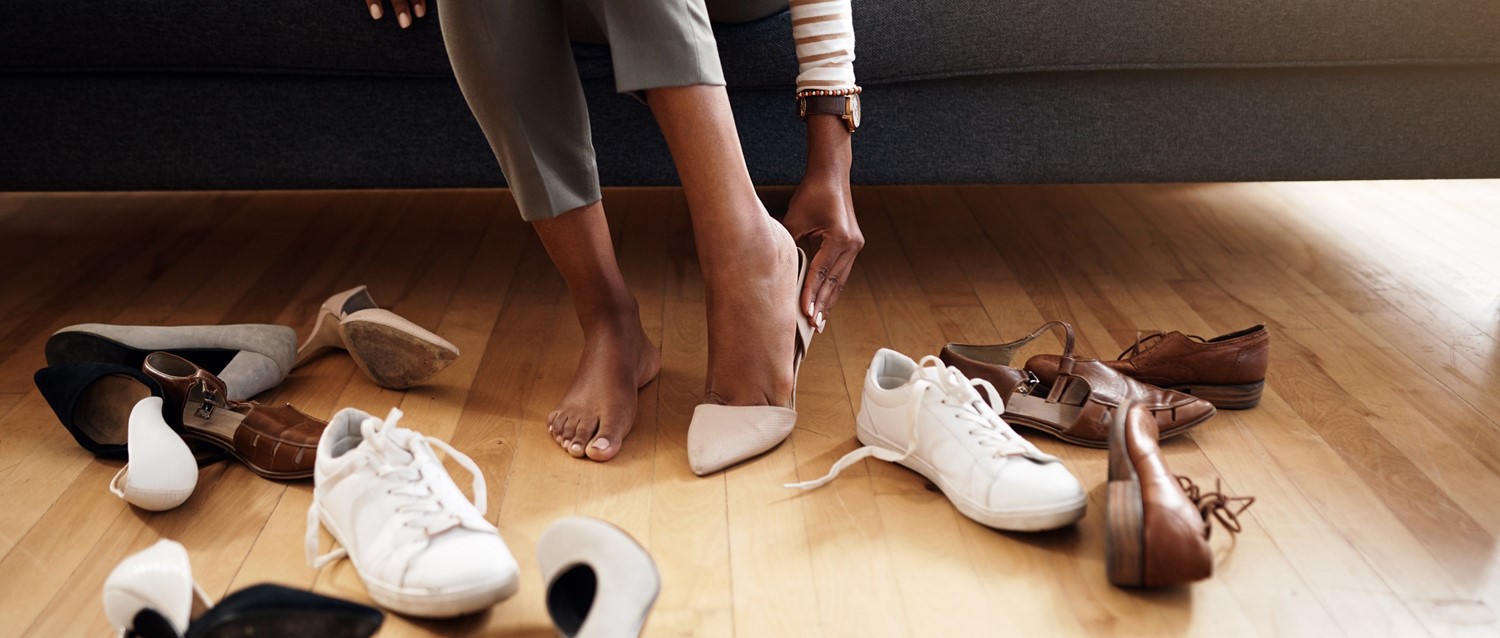
What your shoes can tell you about your feet
As the saying goes, good shoes will take you to good places. However, as well as signalling your lifestyle and sense of fashion, your footwear can in fact say a lot about the state of your feet.
by Allie Anderson

Mental health
5 ways to cope with less sunlight this autumn
The transition from summer to autumn brings shorter days and longer nights. These annual changes in sunrise and sunset mean our bodies must adjust to less daylight. We explore how this can affect us and the practical steps you can take to support your health and wellbeing as the seasons change.
by Hannah Boynton-Forshaw

Foot care
How to keep your feet problem-free
They're as far away from your eyes as they can be and still be part of your body, but that's no reason to ignore your feet. They work hard every day, supporting all your weight, and a little TLC can go a long way.
by Dr Sarah Jarvis

Foot care
Flat feet and fallen arches
Flat feet are just as they sound - feet that are flatter on the undersurface (or plantar surface) than they should be, because the arches (insteps) have dropped. This can (but does not always) lead to pain and tiredness in the feet. It can also cause problems in the ankles, legs or back.
by Dr Hayley Willacy, FRCGP

Senior health
Ageing feet
As feet get older they lose some of their strength and springiness due to changes in the skin and joints. Feet tend to spread and lose the fatty pads that cushion them. This does not mean that feet should necessarily become painful as they get older. However, it does mean that they are not able to sustain the same levels of activity that they could when younger. For that reason older people need to take good care of their feet.
by Dr Philippa Vincent, MRCGP
Senior health
Living with a long-term condition
A long-term condition cannot be cured but its symptoms and complications may be controlled with treatment. Examples are arthritis, asthma, diabetes, epilepsy and high blood pressure. Long-term conditions can have an effect on your role within the family, your job, where you live, your education and your finances. However, there are many sources of support you can access, including health and social services, the government and voluntary organisations.
by Dr Hayley Willacy, FRCGP
Share your thoughts or experiences with others in our patient communities.