
The importance of learning CPR: Emma's story
Published 4 Dec 202420 min 36 sec watch
Meets Patient’s editorial guidelines
- Share
- Discussion
- Ask Patient
- Audio Version
- Add to preferred sources on Google
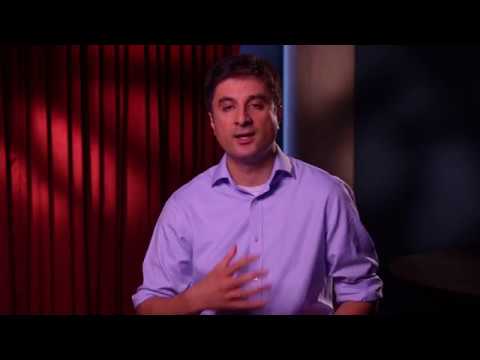
According to the British Heart Foundation (BHF) 30,000 people have a cardiac arrest each year. Fewer than one in ten of these people will survive. Cardiac arrest can happen to anyone, anywhere, at any time - and without warning. Knowing how to perform CPR could double someone's chances of surviving it. For Emma Kenyon, a typical February evening in 2021 turned into a medical emergency when her husband Matt went into cardiac arrest at their West Yorkshire home. Emma immediately sprang into action, performing CPR on Matt until emergency services arrived. Her quick thinking and careful attention to the emergency call handler’s guidance is what ultimately saved her husband's life.
Emma is raising funds to replace the defibrillator pads at Emley Moor Working Men's Club, West Yorkshire: https://www.justgiving.com/crowdfunding/Defibupkeep?utm_term=rbEd49kKP
Audio: Victoria Raw Visuals: Ben Hudson



Patient picks
Patient information leaflet
Acute coronary syndrome
The term 'acute coronary syndrome' (ACS) covers a range of disorders, including a heart attack (myocardial infarction) and unstable angina, that are caused by a sudden reduction of blood flow to part of the heart muscle. This is usually caused by a blood clot. See the separate leaflet called Cardiovascular disease (Atheroma) for more details.

Feature
The importance of learning CPR: Emma tells her story
According to the British Heart Foundation (BHF) 30,000 people have a cardiac arrest each year. Fewer than one in ten of these p... Taking its free 15-minute online CPR course means you could be ready to act in an emergency. Emma's story For Emma Kenyon, a typical February evening in 2021 turned into a medical emergency when her husband Matt went.
Patient information leaflet
Heart attack
A heart attack (myocardial infarction) is usually caused by a blood clot, which stops the blood flowing to a part of your heart muscle. If someone has a heart attack, treatment with a clot-busting medicine or an emergency procedure to restore the blood flow through the blocked blood vessel is usually done as soon as possible. Dr Yassir Javaid A.

Feature
The importance of learning CPR
According to the British Heart Foundation (BHF) 30,000 people have a cardiac arrest each year. Fewer than one in ten of these people will survive. We hear from real-life heroes who've saved lives through CPR. Their stories highlight the vital importance of learning this life-saving skill. What is CPR. "Even if you haven't had CPR training - or.

Patient information leaflet
Cardiac enzymes
Cardiac enzymes are substances released by the heart muscle when it is injured - for example, during a heart attack or a severe case of angina. A heart attack (myocardial infarction) can present in many ways, the most common of which is chest pain. Taking blood tests for heart enzymes can help medical professionals to diagnose a heart attack. What.

Feature
What should you do if someone goes into cardiac arrest?
Every year 30,000 people have a cardiac arrest in the UK. Resuscitation Council UK explains that a cardiac arrest is not the same as a heart attack Is it indigestion or a heart attack?. While a cardiac arrest is the heart stopping beating altogether, a heart attack What does a doctor do when they have a heart attack? occurs when one of the.
Share your thoughts or experiences with others in our patient communities.