
What happens during a heart attack?
Published 20 Aug 201843 sec watch
Meets Patient’s editorial guidelines
- Share
- Discussion
- Ask Patient
- Audio Version
- Add to preferred sources on Google
Dr Yassir Javid
The most common symptom is severe chest pain, which often feels like a heavy pressure feeling on your chest. The pain may also travel up into your jaw and down your left arm or down both arms. You may also sweat, feel sick and feel faint. You may also feel short of breath. The pain may be similar to angina but it is usually more severe and lasts longer.
For more information on heart attack symptoms, go to https://patient.info/health/heart-attack-myocardial-infarction-leaflet
 The importance of learning CPR: Emma's story20 min 36 sec
 The importance of learning CPR: Andy's story13 min 49 sec
 Why do I get chest pain after eating?36 sec
 Is indigestion a sign of a heart attack?43 sec
 How do you reduce the risk of a heart attack?26 sec
 Can heart disease run in the family?1 min 1 sec
Patient picks
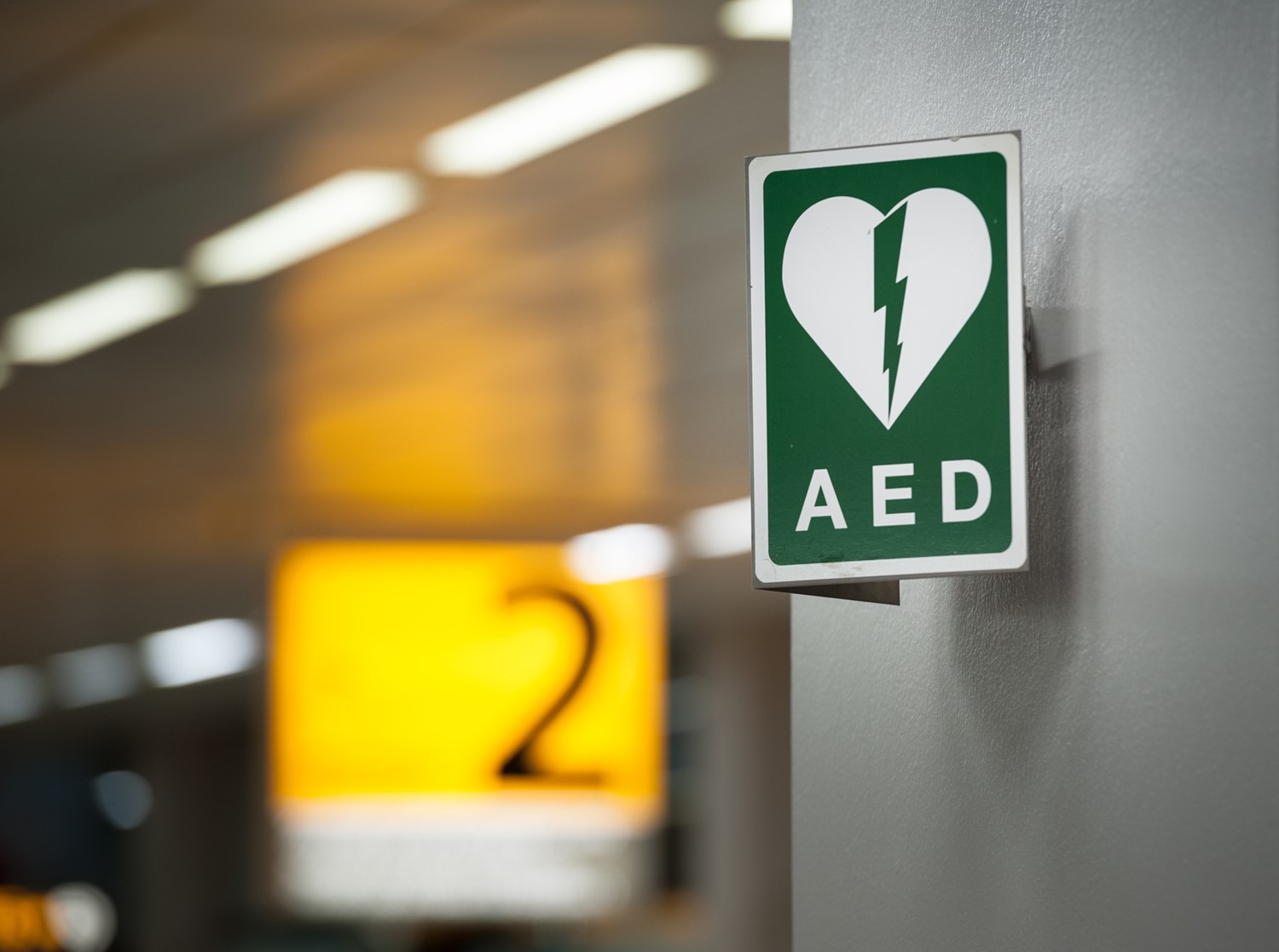
Patient information leaflet
Heart attack
A heart attack (myocardial infarction) is usually caused by a blood clot, which stops the blood flowing to a part of your heart muscle. If someone has a heart attack, treatment with a clot-busting medicine or an emergency procedure to restore the blood flow through the blocked blood vessel is usually done as soon as possible. This is to prevent or.

Feature
Video: What happens during a heart attack?
We've gathered some experts on the subject to help you understand what a heart attack is and how to reduce the risk of them happening. How do you reduce the risk of a heart attack. Is indigestion a sign of a heart attack. What causes pain on the left side of your chest. Dr Yassir Javaid, GP, Cardiology Specialist When you have a heart attack that.
Patient information leaflet
Acute coronary syndrome
The term 'acute coronary syndrome' (ACS) covers a range of disorders, including a heart attack (myocardial infarction) and unstable angina, that are caused by a sudden reduction of blood flow to part of the heart muscle. ...'acute coronary syndrome' (ACS) covers a range of disorders, including a heart attack (myocardial infarction) and unstable.

Feature
How to minimise the risk of a second heart attack
A heart attack, known as a myocardial infarction, is a serious medical condition which happens when the bl... Your heart muscle then becomes damaged because of lack of oxygen. However, common signs include: Pain or discomfort in your chest that happens suddenly and doesn't go away. The pain or tightness can be severe, but it can also be a feeling.
Patient information leaflet
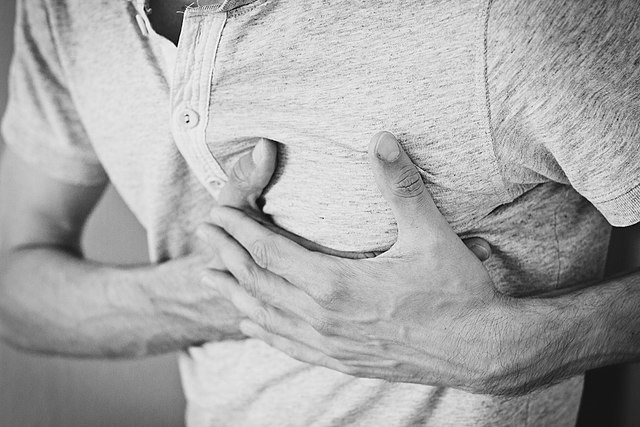
Cardiac enzymes
Cardiac enzymes are substances released by the heart muscle when it is injured - for example, during a heart attack or a severe case of angina. A heart attack (myocardial infarction) can present in many ways, the most common of which is chest pain. The... Cardiac enzymes are released by the heart muscle when it is injured - for example, during a.

Feature
Am I having a heart attack?
Every year there are around 100,000 hospital admissions in the UK because of a heart attack - that’s one every five minutes. If you are having a heart attack the key to immediate survival and long-term health is to get treatment as soon as possible. What is a heart attack A heart attack is when the blood suddenly stops flowing to a part of your.
Share your thoughts or experiences with others in our patient communities.