Why clean eating could be bad for your bones
Peer reviewed by Dr Sarah JarvisAuthored by Dr Carrie Ruxton, PhD, Child NutritionOriginally published 14 Dec 2017
Meets Patient’s editorial guidelines
- DownloadDownload
- Share
- Language
- Discussion
- Ask Patient
- Audio Version
- Add to preferred sources on Google
The trend for clean eating continues to dominate social media, especially amongst female bloggers and celebrities. Twitter and Facebook are packed with photos of raw vegetable smoothies and advice to cut out meat, dairy, processed foods and caffeine. But will it do us any good?
Not according to the National Osteoporosis Society which has warned that the popularity of 'clean eating' and overly restrictive diets is setting up young people for a future where broken bones are the norm. In a survey carried out by the charity, four in ten people aged 18 to 24 years had tried a 'clean eating' diet. This meant that around three million young adults are putting themselves at risk of osteoporosis in later life by avoiding foods that provide key bone health nutrients.
Explore calcium and vitamin D supplements
Get expert healthcare advice from the comfort of home. Complete a quick online consultation, available 24/7, with your request reviewed by a UK-registered clinician. Next day delivery available on eligible treatments.

Video picks for OsteoporosisVideo library
What is clean eating?
No one really knows because there is no agreed definition! As the basic concept is to avoid ‘toxins’ (which has no scientific basis by the way), a so-called 'clean' diet can mean anything from eating lots of unprocessed, raw foods to avoiding entire food groups. An important criticism of clean eating is that our liver does a great job of removing toxins without anyone having to follow a restrictive diet.
A general theme is for clean eaters to avoid red meat, sugar, alcohol, tea and coffee and follow a plant-based diet. As well as this, some cut out dairy foods, gluten/wheat or even all carbohydrates. This is where problems can occur, as some of these food groups contain important nutrients for bone health like calcium, phosphorus, protein and vitamin D.
Get to know your bones
Bones are like giant sponges filled with calcium which turns them into rigid structures. Bones that lack calcium become progressively weak so, taken to extremes, this can lead to rickets in children or osteomalacia and osteoporosis in adults.
Good vitamin D status is crucial to this as it improves calcium absorption from our diets and helps to fix the calcium in bones. Studies show that up to 40% of UK adults and teenagers are deficient in vitamin D thanks to a lack of regular sun exposure and low intakes of oily fish.
From the womb until our mid-twenties, bones lay down calcium and other minerals to reach a maximum point. This is called our peak bone mass. Once this has been reached, bone mass is maintained throughout adulthood until age, diet, lifestyle and hormone changes cause it to gradually decline.
Dietician, Gaynor Bussell, comments: "As clean eating can be restrictive, there's a risk that people don't get all of the nutrients they need for optimal bone health, especially if dairy products are shunned. This means that teenagers may never reach an optimal peak bone mass giving them a much higher risk of fractures and osteoporosis in later life."
Diet is not the only factor in good bone health however. Regular weight-bearing exercise, avoiding tobacco, and maintaining a healthy body weight all help. Dietician, Dr Juliet Gray, comments: "Maintaining levels of high-impact physical activity (eg, brisk walking, running, aerobics, dance) will support your peak bone mass, which helps to strengthen bones."
The good news is that bones are living tissues and in a constant state of turnover so it's never too late to give them a boost by eating a healthier diet and taking more exercise. This is particularly important for women and girls, who have an increased risk of bone problems.
Eat balanced, not clean
So, what do you need to include in your diet to keep your bones healthy and, if you do decide to cut out dairy foods, what are the alternatives?
The most important nutrients are calcium and vitamin D. Calcium is found in dairy foods (milk, cheese, yoghurt) as well as green leafy vegetables (kale, Savoy cabbage, spinach), nuts and seeds. Vitamin D is found in oily fish (salmon, tuna, mackerel, trout) and eggs, with smaller amounts in red meat, but the best source in summer is getting some daily sunshine. Experts say that exposing your face and arms is enough for your body to make enough vitamin D but remember to apply sun cream only after you've been outside for 10-15 minutes. This is because sun cream and SPF make-ups block vitamin D synthesis in the skin.
Other nutrients that support bone health are protein (meat, fish, beans and pulses), vitamin K (Brussels sprouts, liver, meat) and phosphorus (dairy foods, meat), vitamin C (fruit, vegetables) and magnesium (fish, nuts, seeds).
Alternatives to dairy
If you or a member of your family do give up dairy foods, it's vital to consume alternative nutrient sources.
Dr Juliet Gray advises: "Nuts, seeds and green leafy vegetables will provide some calcium and some dairy alternatives such as soy and almond milk are fortified with calcium. These foods should be consumed daily to compensate for the calcium that would normally be found in dairy foods. Eggs are a particularly good source of vitamin D and one of the few dietary sources of this vitamin - two eggs provide around two thirds of the nutrient reference value for vitamin D. Eggs are also an excellent source of high-quality protein and contain vitamin K, both of which contribute to bone health."
Gaynor Bussell adds: "If you don't eat dairy foods, it's a good idea to seek advice from a dietician or registered nutritionist to identify alternative dietary sources of bone health nutrients. Such experts can also suggest if you need a supplement."
So, clean eating - whatever that means - isn't a good option for bones, or indeed for general health. Our bones have to carry us through life and could do with some TLC. Choosing foods rich in calcium and vitamin D, and being more active, are a good start.
Patient picks for Osteoporosis
Mental health
Types of eating disorders
In recent years, it's become clear that there are many people with different types of eating disorders who don't fit the classic profile of someone with anorexia or bulimia.
by Dr Hayley Willacy, FRCGP
Diet and nutrition
How much meat should we be eating?
Many people are turning vegetarian and vegan for environmental, ethical, and health reasons. However, meat can also be a good source of protein and provides many important vitamins and minerals, including iron. So how much meat should we be eating - or is it better for us to avoid meat entirely?
by Lynn Stephen
Mental health
Connections between 'clean eating' and orthorexia
On the surface, clean eating appears to be a positive health choice. However, it is one which harbours the potential to cause major long-term health concerns.
by Rose Constantine Smith, ANutr
Diet and nutrition
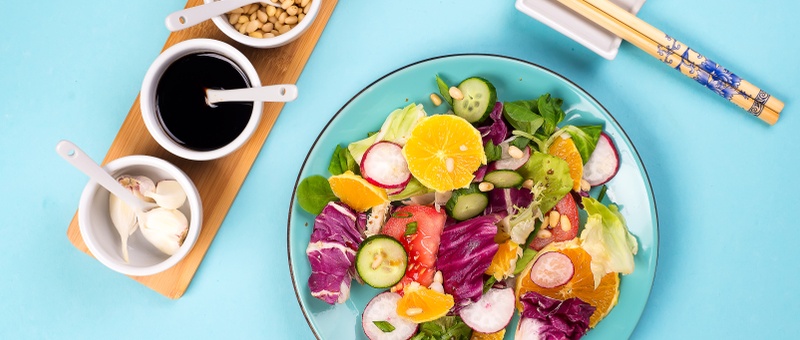
What is clean eating and how can you start?
You don’t have to overthink what clean eating means - the name says it all. It’s about choosing foods that are minimally processed and as close to their natural state as possible. In this article, we take a closer look at what types of foods clean eating includes and how you can start incorporating them into your diet if it feels like the right fit for you.
by Victoria Raw

Signs and symptoms
Why am I so tired in winter? When seasonal fatigue could mean something more
As summer fades into autumn and winter draws closer, we often feel more tired and less energetic. Shorter days and reduced daylight can affect our sleep patterns, mood, and energy levels. However, while seasonal changes may play a part, winter fatigue isn’t always down to the colder weather. From lifestyle habits and nutritional deficiencies to underlying health conditions, there are several other factors that could leave you feeling worn out. We explore some potential causes of winter tiredness that may have nothing to do with the changing seasons.
by Victoria Raw

Mental health
What is the difference between disordered eating and an eating disorder?
It can be difficult to differentiate between disordered eating and a full-blown eating disorder (ED). This is especially the case since we live in a diet culture where talk of weight loss, 'clean eating' and fitness is rife. However, it's important we are able to identify a toxic relationship with food and know where to seek help early before things get worse.
by Emily Jane Bashforth
About the authorView full bio
Authored by

Dr Carrie Ruxton, PhD, Child Nutrition
Dietitian and Health Writer
PhD, Child Nutrition
Dr Carrie Ruxton qualified as a Dietitian at Queen Margaret University, Edinburgh, before gaining a PhD in Child Nutrition.
About the reviewerView full bio

Dr Sarah Jarvis
Clinical Consultant
MA (Cantab), BM, BCh (Oxon), DRCOG, FRCGP, MBE
After training in medicine at Cambridge and Oxford, Dr Sarah Jarvis MBE became a GP.
Article history
Article also available in English, German, Spanish, French, Italian, Portuguese, Hindi, Hebrew, Arabic, and Swedish.
14 Dec 2017 | Originally published
Authored by:
Dr Carrie Ruxton, PhD, Child NutritionPeer reviewed by
Dr Sarah Jarvis
Share your thoughts or experiences with others in our patient communities.
Sign up to the Patient newsletter
Your weekly dose of clear, trustworthy health advice - written to help you feel informed, confident and in control.
By subscribing you accept our Privacy Policy. You can unsubscribe at any time. We never sell your data.