
Specialist cancer treatment in the comfort of your own home
Peer reviewed by Dr Colin Tidy, MRCGPAuthored by Lloyds Clinical Originally published 19 Mar 2026
Meets Patient’s editorial guidelines
- DownloadDownload
- Share
- Language
- Discussion
- Audio Version
- Add to preferred sources on Google
You can access cancer treatment at home, thanks to specialist providers such as Lloyds Clinical, who have been treating people in their homes for nearly 30 years.
Treatment at home removes the strain of unnecessary travel, car parking and hospital visits, freeing up time to prioritise family life and work.
Working to the highest clinical and safety standards, highly trained cancer nurses and clinical nurse specialists deliver 1-2-1 clinical treatment, with the equipment to respond as they would in hospital.
Specialist cancer services mean NHS patients, private medically insured, and self-paying patients who want an alternative to hospital can start their treatment at home.
Sponsored
Lloyds Clinical
For nearly 30 years Lloyds Clinical have pioneered the delivery of specialist cancer care services out of hospital, in patients’ homes, working to the highest clinical and safety standards. Their highly trained oncology nurses and clinical nurse specialists deliver 1-2-1 clinical treatment at home, with the equipment to respond as they would in hospital.
The benefits of treatment at home
More people are choosing to have their cancer treatment at home for several reasons:
More time for family and work: treatment in your home gives you more time and flexibility to focus on everyday life.
No unnecessary travel and hospital car parking: remove the stress and strain of hospital visits and feel in control.
1-2-1 treatment and monitoring: you will usually see the same cancer nurses during their treatment.
24/7 clinical support: round the clock telephone support from clinical teams, plus holistic care and support for you and your family.
Treatment, safely at home
Dedicated 1-2-1 patient care is provided by highly trained cancer nurses, with the equipment to respond as they would in hospital.
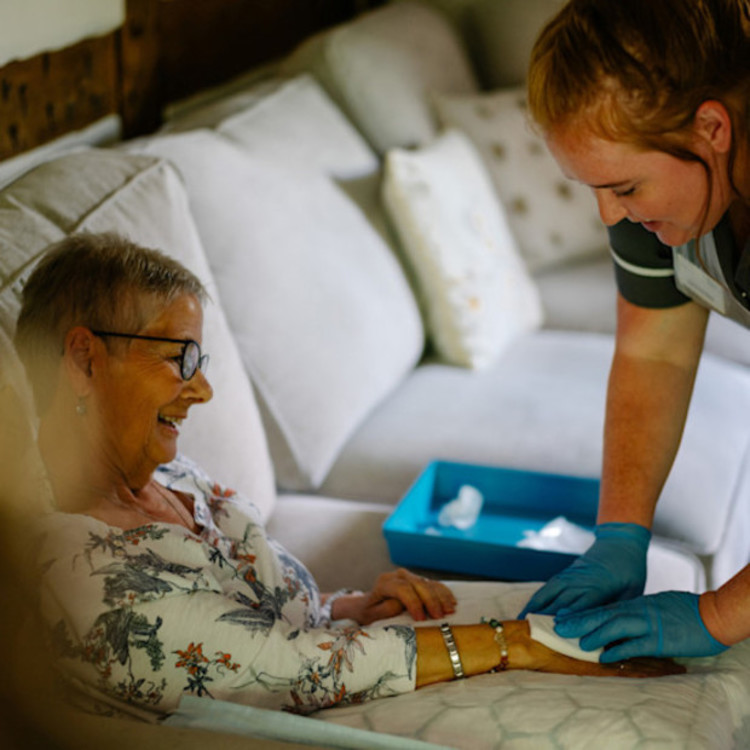
“The nurses are so highly trained and experienced. They have all the equipment for every eventuality - it’s just like you are in a hospital.” Ron, Lloyds Clinical oncology patient
Nursing teams work closely with your cancer consultant, sharing all updates on your treatment. Every time there is a patient contact, there is an update in the consultant’s notes which are easily accessible through the latest digital technology.
More time for family life and work
Treatment at home frees up precious time for you to prioritise family life and work. Removing unnecessary journeys to hospital, car parking, and waiting around in hospital, puts you in control of your condition and your treatment.
“Being at home suits me and my wife and our active lifestyle. The nurses are so flexible - my treatment is on a Wednesday and that is also the day I meet up with some pals to go for a walk, so they arrange treatment around that”. Ron, Lloyds Clinical cancer patient
A provider like Lloyds Clinical offers you 24/7 telephone based clinical support, plus human care support for you and your family from clinical nurse specialists.
Treatment at home is now an option
From the rarest to the most common form of cancer, all types of SACT treatments are risk assessed and considered for treatment at home - including those that are not currently available in hospital.
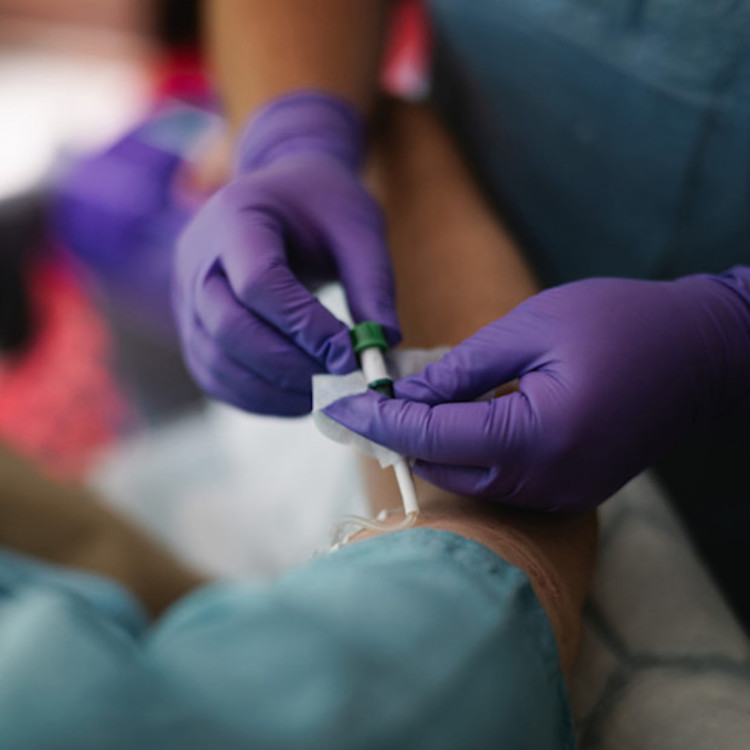
“I can’t put into words how comforting it is to know that I can have my chemotherapy at home." Kate, Lloyds Clinical cancer patient
You can access clinical treatment at home through your NHS consultant, via a private medical insurance policy or self-fund your home treatment directly.
To find out more visit Lloyds Clinical
Patient picks for Information about cancer

Cancer
Cancer symptoms you should never ignore
When it comes to unexplained medical symptoms, it's easy to bury your head in the sand and ignore them, especially if they're a bit embarrassing to discuss. But getting them checked out by a doctor could end up saving your life. Here are the cancer symptoms you should never ignore.
by Lynn Stephen
Cancer
What are the early warning signs of bowel cancer?
It’s easy to dismiss a change in your toilet habits or to brush off stomach aches and bloating as dietary issues. However, if these issues are persistent and unexplained, they may be signs of bowel cancer - and spotting them early is very important.
by Lynn Stephen
Frequently asked questions
What types of cancer treatments can be given at home?
The article states that all types of SACT (Systemic Anti-Cancer Therapy) treatments are risk-assessed and considered for home administration, including those that might not currently be available in a hospital setting. This covers a wide range of treatments, from the most common to the rarest forms of cancer.
How can I access at-home cancer treatment?
You can access clinical treatment at home in a few ways. You can arrange it through your NHS consultant, use a private medical insurance policy, or choose to self-fund your home treatment directly.
How are the nurses equipped to handle treatments at home?
The dedicated 1-2-1 patient care is provided by highly trained cancer nurses who are equipped to respond to situations as they would in a hospital. One patient also noted that the nurses 'have all the equipment for every eventuality'.
How do the home care nurses communicate with my hospital consultant?
Nursing teams work closely with your cancer consultant. They share all updates on your treatment, and every patient contact results in an update in the consultant's notes, which are easily accessible through the latest digital technology.
What kind of support is available if I choose to have treatment at home?
If you have treatment at home, you will have access to 24/7 telephone-based clinical support from clinical teams. Additionally, providers like Lloyds Clinical offer human care support for both you and your family from clinical nurse specialists.
About the authorView full bio
Authored by

Lloyds Clinical
About the reviewerView full bio

Dr Colin Tidy, MRCGP
General Practitioner, Medical Author
MBBS, MRCGP, MRCP (Paediatrics), DCH
Dr Colin Tidy is an NHS Doctor, based in Oxfordshire.
Article history
Article also available in English, German, Spanish, French, Italian, Portuguese, Hindi, Hebrew, Arabic, and Swedish.
Next review due: 19 Mar 2026
19 Mar 2026 | Originally published
Authored by:
Lloyds ClinicalPeer reviewed by
Dr Colin Tidy, MRCGP
Join the conversation
Share your thoughts or experiences with others in our patient communities.

Ask, share, connect.
Browse discussions, ask questions, and share experiences across hundreds of health topics.

Feeling unwell?
Assess your symptoms online for free
Sign up to the Patient newsletter
Your weekly dose of clear, trustworthy health advice - written to help you feel informed, confident and in control.
By subscribing you accept our Privacy Policy. You can unsubscribe at any time. We never sell your data.