
Why it's a good thing if you feel unwell after your COVID-19 booster jab
Peer reviewed by Dr Krishna Vakharia, MRCGPAuthored by Lydia SmithOriginally published 20 Oct 2023
Meets Patient’s editorial guidelines
- DownloadDownload
- Share
- Language
- Discussion
- Audio Version
- Add to preferred sources on Google
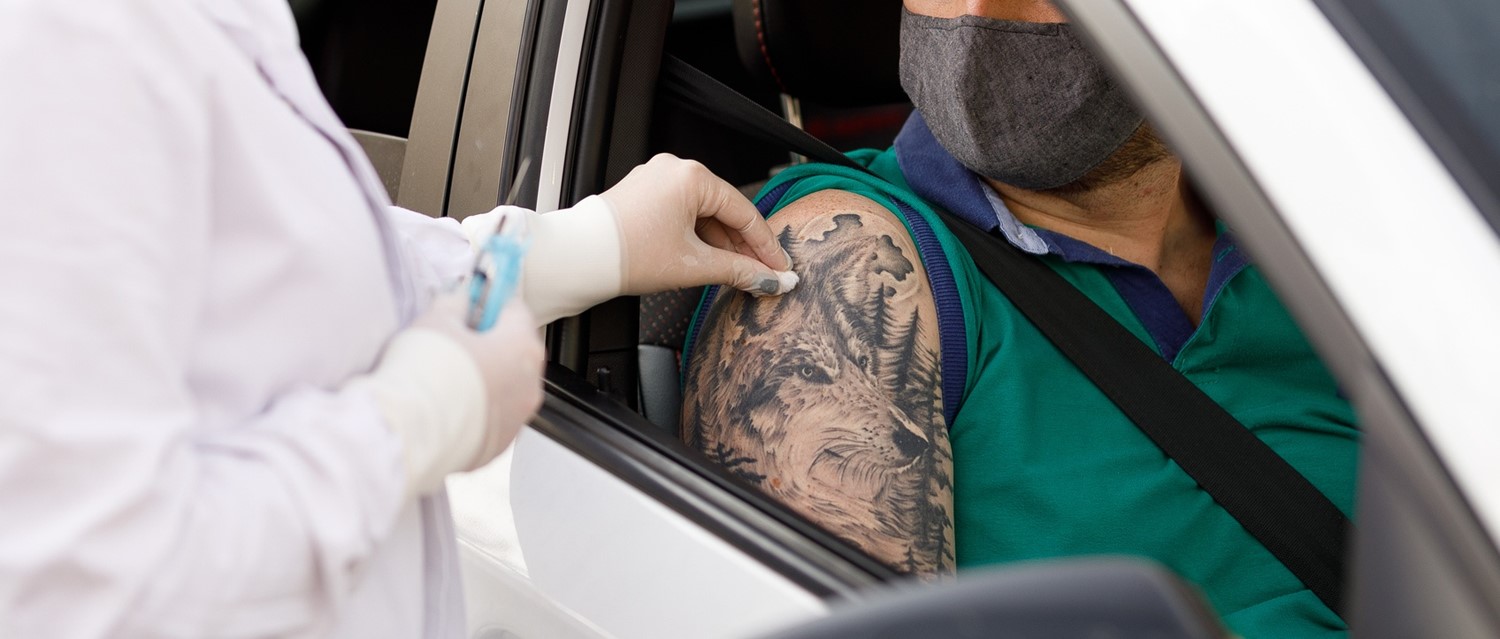
If you’ve had your COVID-19 booster vaccine recently, there’s every chance you’ve felt a little unwell afterwards. But new research suggests that the unpleasant side effects - like tiredness, a headache or chills - may actually be a good thing.
What are the side effects of the COVID-19 vaccine - and why might they be a good sign?
Hospital admissions and deaths linked to COVID-19 are on the rise in the UK. Getting the COVID jab is the best way to protect yourself from becoming seriously unwell with the virus - and people eligible for their booster jabs are being urged to get them as soon as possible.
Guidance released in September 2023 advises that even if you have had COVID-19 recently, if you feel better, you don't have to wait 4 weeks to get your booster jab anymore.
Side effects from the jab are common, particularly in the first day or two after being vaccinated. These include soreness in the arm where you had your jab, feeling tired, headaches, aches and pains, nausea, and chills.
And while these symptoms aren’t pleasant, a new study - which is yet to be peer reviewed - suggests they are a sign that your body is responding properly to the jab.
Researchers at the University of California, San Francisco, studied more than 300 people to find out how their bodies responded to the COVID-19 vaccine1. They found that those who experienced chills, a fever or headaches after the COVID jab created more antibodies against the virus compared to those who didn’t have any side effects. Those who had warmer skin and an increased heart rate after the jab were also found to have more antibodies.
Put simply - the more symptoms you have, the more antibodies you’ll make. And if you have more antibodies, your immune system will have a better chance of fighting the virus if you become infected.
What are antibodies?
An antibody is a protein produced by the body's immune system when it detects harmful substances, called antigens. Examples of antigens include microorganisms like viruses, bacteria, fungi and parasites, as well as chemicals. When antibodies detect and attach themselves to an antigen like a virus, it tells the other parts of the immune system to attack the invaders. This is how our bodies develop immunity to a disease.
William Schaffner, a professor of preventative medicine at Vanderbilt University, explains that booster vaccinations stimulate the immune system to raise antibody levels. "Higher antibody levels generally are associated with a longer duration of protection against serious disease as well as some enhanced protection against variants," he explains.
How to treat COVID-19 vaccine side effects
If you feel unwell after having your booster, you should rest and drink plenty of water to stay hydrated. Over-the-counter medicines, such as paracetamol or NSAIDs like ibuprofen, can be used to treat headaches or general aches.
Rare side effects
Very rarely, more serious side effects can occur. Cases of inflammation of the heart - called myocarditis or pericarditis - have been reported very rarely after the COVID-19 vaccine. Most of the people affected have felt better and recovered quickly following rest and simple treatments.
You should seek medical advice urgently if, after vaccination, you experience chest pain, shortness of breath or the sensation of a pounding or fluttering heart.
If you develop any symptoms of anaphylaxis - a severe allergic reaction - call for an emergency ambulance immediately.
Further reading
Patient picks for Vaccination, tests and treatment
COVID-19
Are vaccinations going to change during the pandemic?
Flu season is fast approaching, and the NHS is bracing itself for the usual strain winter ailments place on its services each year. But with the prospect of a second wave of COVID-19 coinciding with these pressures, the government is implementing plans to try to prevent the health service from being stretched to breaking point.
by Allie Anderson
COVID-19
Do you get better COVID-19 immunity from vaccination or infection?
Scores of people have caught COVID-19 over the last few months, due to the spread of the easily transmissible Omicron variant. With more people becoming infected, questions have been raised over whether vaccination or previous infection offers better COVID-19 immunity.
by Lydia Smith
About the authorView full bio
Authored by

Lydia Smith
Feature writer
BA, MA, MSc
Lydia Smith is an award-winning journalist and feature writer who has written extensively on women's health and mental health. She is currently studying for an MSc in psychology.
About the reviewerView full bio

Dr Krishna Vakharia, MRCGP
Chief Medical Officer for Health, Optum UK
MBChB, MRCGP(2013), BMedSci (hons), DFSRH, DRCOG, PGDipDerm (Distn)
Dr Krishna Vakharia is an NHS GP. She is also a regular examiner for the postgraduate Diploma in Practical Dermatology at Cardiff University as well as being the Chief Medical Officer for health at Optum UK.
Article history
Article also available in English, German, Spanish, French, Italian, Portuguese, Hindi, Hebrew, Arabic, and Swedish.
20 Oct 2023 | Originally published
Authored by:
Lydia SmithPeer reviewed by
Dr Krishna Vakharia, MRCGP
Join the conversation
Share your thoughts or experiences with others in our patient communities.

Ask, share, connect.
Browse discussions, ask questions, and share experiences across hundreds of health topics.

Feeling unwell?
Assess your symptoms online for free
Sign up to the Patient newsletter
Your weekly dose of clear, trustworthy health advice - written to help you feel informed, confident and in control.
By subscribing you accept our Privacy Policy. You can unsubscribe at any time. We never sell your data.