
Understanding diabetes jargon
Peer reviewed by Dr Sarah JarvisAuthored by Dr Ben Janaway, MBChBOriginally published 9 Oct 2017
Meets Patient’s editorial guidelines
- DownloadDownload
- Share
- Language
- Discussion
- Ask Patient
- Audio Version
- Add to preferred sources on Google
When speaking to your doctor about diabetes, some of the terminology can be confusing. Here's a quick guide to what all the medical mumbo jumbo means.
Sign up for our free 10-week Diabetes course!
Each week, we'll explore a different topic to help you better understand and manage your diabetes, including everyday living and medicines, to mental wellbeing, the latest in diabetes tech, and nutrition.
By subscribing you accept our Privacy Policy. You can unsubscribe at any time. We never sell your data.
Basal bolus - part of an injectable insulin regime. Basal insulins last for a long time but work slowly. Once or twice daily doses of these are complemented by top-up bolus doses of rapid-acting insulin to reduce high blood sugar when you eat.
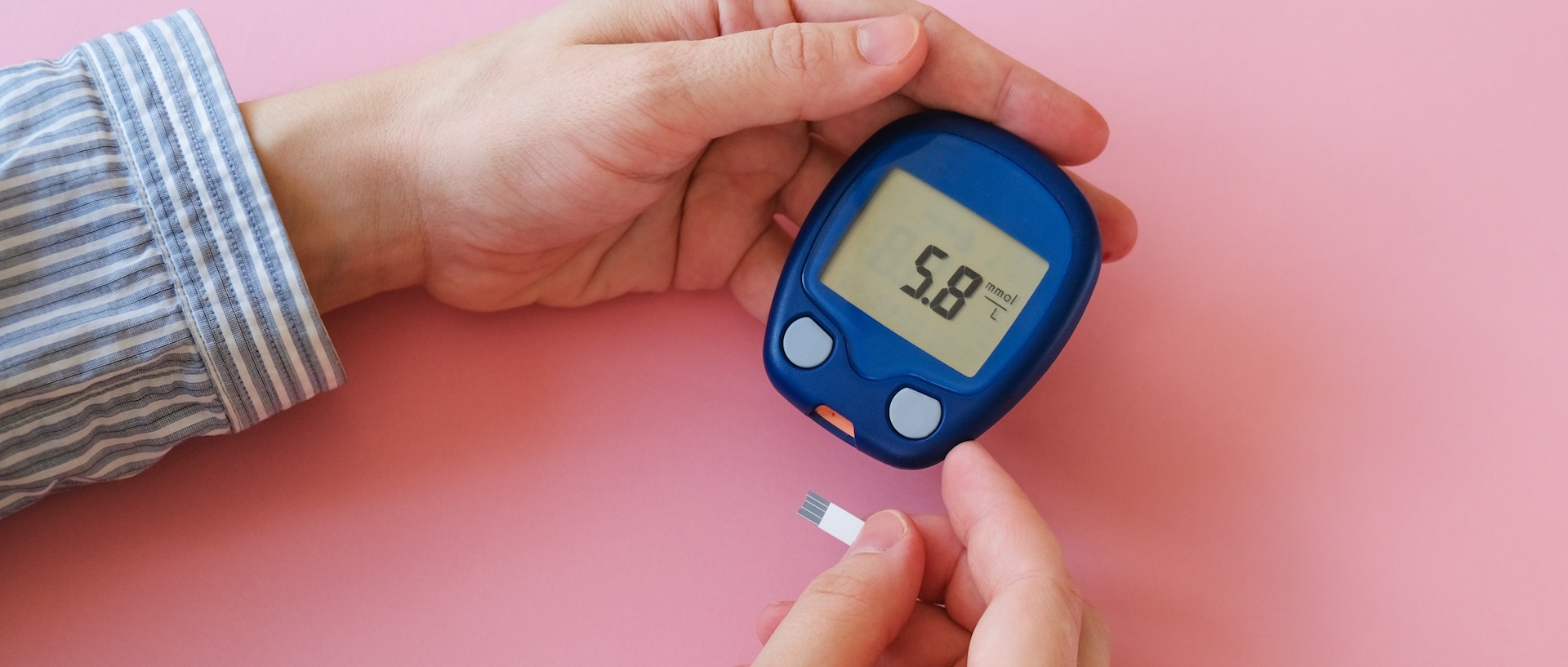
Blood glucose meter - machine using test strips to estimate blood sugar level
BM - an outdated term. This abbreviation was used for a paper strip designed to estimate blood sugar levels. It has been replaced, but you may still hear your 'blood sugar' measurement referred to as 'BMs'.
Blood sugar level - a value, in mmol/litre, of the sugar content (glucose) of your blood. Used in both diagnosis and monitoring of disease.
Blood sugar targets - the agreed target range for your blood sugar level as part of your treatment
Carbohydrate 'carb' counting - the process of monitoring food intake to help predict insulin need. Very useful in planning effective treatment, and gives you more power in managing your condition.
Diabetic ketoacidosis (DKA) -a dangerous complication of type 1 (and rarely type 2) diabetes, where your body runs out of insulin and breaks down fatty acids instead. This causes toxic ketones to build up and the normal pH (acid-base balance) of your blood is affected.
Diabetic nephropathy - kidney damage caused by long-term high blood sugar levels in diabetes.
Diabetic neuropathy - a catch-all term for nerve damage caused by long-term high blood sugar levels in diabetes. Can lead to pain and to amputations in severe cases.
Diabetic retinopathy - damage to the retina (back of the eye) caused by high blood glucose and vascular disease. Causes gradual loss of vision.
Diabetologist/Endocrinologist - different terms for a doctor specialising in diabetes.
Glucose - the basic sugar used by your body for energy. Measured in the blood using 'test strips' and a 'blood glucose meter.'
Hba1c - a blood test used to estimate average blood sugar levels and control over the last three months.
Hyperglycaemia - a state of high blood sugar (high blood glucose).
Hypoglycaemia - a potentially dangerous state of low blood sugar (low blood glucose) - a possible side-effect of diabetes treatments, especially insulin and sulfonylureas.
Impaired glucose tolerance/pre-diabetes - a state of high blood sugar, not high enough for a diagnosis of type 2 diabetes but meaning you are at higher risk of type 2 diabetes and its complications.
Insulin - a hormone required to process sugar in the body.
Insulin pen - a delivery device for injectable insulin. Comes in variable strengths.
Insulin pump - a delivery device for constant or pulsed insulin injection. Attached through a tiny tube under your skin and worn 24 hours a day.
Ketosis - the build-up of a toxic substance called ketones caused by your body breaking down fatty acids for energy when it runs out of insulin. Rare in type 2 diabetes, it can affect people with type 1 diabetes if they do not take enough insulin, are generally unwell, etc.
Ketotic coma (diabetic coma) - an extremely dangerous state where blood toxicity caused by ketosis leads to unconsciousness, and if untreated, death.
Pancreas - a body organ that produces insulin and other hormones.
Peripheral neuropathy - nerve damage to the toes, feet, fingers and hands. Occurs progressively with diabetes if blood glucose levels are high over a long period
Rapid-acting insulin - a quick-acting dose of insulin taken with meals. Mimics natural Insulin spike. Taken as part of your treatment regime.
Type 1 diabetes - caused by the complete absence of insulin, a hormone secreted by the pancreas to metabolise glucose (sugars).
Type 2 diabetes - is caused by a gradual wearing out of cellular transporters for glucose by a long period of elevated blood sugar (hyperglycaemia).
Quick-acting carbohydrate - a form of carbohydrate designed to replace blood sugars quickly in the case of sudden hypoglycaemia. Can include sugary drinks, glucose tablets or sweets (candy). Injectable forms exist.
Patient picks for Diabetes mellitus
Health and wellness video library
General diabetes videos
Diabetes and pre-diabetes are common conditions that affect how your body manages blood sugar. Our diabetes video hub breaks down everything you need to know about diabetes and pre-diabetes. Whether you're looking to understand symptoms, learn about treatments, or find out how lifestyle changes can help, our video guides are here to help you to make informed choices about managing or preventing diabetes.
by Lawrence Higgins

Diabetes
Diabetes myths and misconceptions
While type 1 diabetes affects 8% of the 4.9 million people who are currently living with diabetes in the UK, type 2 diabetes affects 90%. There are myths around what it's really like to live with both types of diabetes, and it's important to separate fact from fiction.
by Amberley Davis

Diabetes
Quiz: Do I have diabetes?
Diabetes is a manageable condition, but left untreated it can cause serious harm. Below, we have a few simple questions to help you identify any of the tell-tale signs.
by Victoria Raw

Diabetes
Video: What's the difference between type 1 and type 2 diabetes?
While they're both technically under the umbrella of diabetes, type 1 and type 2 are very different conditions which require a distinct set of treatments. We've looked at some of the main questions people have around each.
by Dr Sarah Jarvis

Diabetes
Video: How do you know if you have type 2 diabetes?
There are a lot of symptoms involved with type 2 diabetes, some of which may be mistaken for something else. Our experts look at what you need to look out for, and answer some other common questions about this widespread condition.
by Dr Partha Kar, FRCP

Diabetes
Type 2 diabetes
Type 2 diabetes can occur at any age, including during childhood, but it occurs mainly in people aged over 40. The first-line treatment is diet, weight control and physical activity. The good news is that many people can stay well using these lifestyle measures. However if the blood sugar (glucose) level remains high then tablets to reduce the blood glucose level are usually advised. Insulin injections are needed in some cases. Other treatments include reducing blood pressure if it is high, lowering high cholesterol levels, and also other measures to reduce the risk of complications.
by Dr Colin Tidy, MRCGP
About the author
Authored by

Dr Ben Janaway, MBChB
MBChB
About the reviewerView full bio

Dr Sarah Jarvis
Clinical Consultant
MA (Cantab), BM, BCh (Oxon), DRCOG, FRCGP, MBE
After training in medicine at Cambridge and Oxford, Dr Sarah Jarvis MBE became a GP.
Share your thoughts or experiences with others in our patient communities.
Sign up to the Patient newsletter
Your weekly dose of clear, trustworthy health advice - written to help you feel informed, confident and in control.
By subscribing you accept our Privacy Policy. You can unsubscribe at any time. We never sell your data.