Are juice cleanses good for you?
Peer reviewed by Dr Krishna Vakharia, MRCGPAuthored by Victoria RawOriginally published 7 Feb 2025
Meets Patient’s editorial guidelines
- DownloadDownload
- Share
- Language
- Discussion
- Ask Patient
- Audio Version
- Add to preferred sources on Google
Juice cleanses are a lingering health fad, regularly popping up on TV and our social media feeds. They promise a quick, nutritious way to detox and lose weight. But are they actually good for you - find out what the health experts have to say here.
Explore medical weight management options
Get expert healthcare advice from the comfort of home. Complete a quick online consultation, available 24/7, with your request reviewed by a UK-registered clinician. Next day delivery available on eligible treatments.

Video picks for NutritionVideo library
What is a juice cleanse?
A juice cleanse involves consuming only the juices of fruits and vegetables for several days. People who promote juice cleanses say this practice can detoxify your body and help you lose weight quickly, due to its low-calorie content.
Helena Barham-Coppola, Nutritional Therapist, Founder of Nourish&Be, London UK explains a juice cleanse.
"In general, you avoid any solid foods, plus tea, coffee and alcohol," she says. "They vary in time, but normally last between one to seven days.
"Juicing claims to detox your body while getting plenty of nutrients. But unlike smoothies, it removes all the plant fibre instead of blending it in."
Do juice cleanses work?
Most health professionals agree that juice cleanses are not a healthy choice. They often lack essential nutrients - including fibre - are too low in calories, too high in sugar, and an ineffective method for long-term weight loss.
Barham explains that the concept of 'going on a detox' is unnecessary and not something you should put your body through.
"Your body - mostly your liver - is always detoxifying," she explains. "Yes, there is merit to supporting your detoxification system, but you do not need to starve yourself to do this."
Do juice cleanses help you lose weight?
When it comes to weight loss, you may some shed pounds quickly, but research shows you will probably put them back on when you return to a normal diet.
This happens because the low-calorie nature of a juice cleanse signals to your body that it's starving, causing your metabolism to slow down to save energy. As a result, when you start eating normally again, your body has a harder time maintaining long-term weight loss and is more likely to regain the weight.
Barham says that the weight you lose during a juice cleanse is primarily from water, not fat.
"The weight loss comes from losing water as your body uses up its reserves of glycogen," she says. "There is also evidence that some weight loss comes from your body eating up its muscles due to a lack of protein in your diet which is really not great."
Glycogen acts as a storage reserve for sugar (glucose), which is your body's primary energy source.
Are juice cleanses good for you?
If you are considering a juice cleanse, keep in mind that most health professionals typically advise against it.
As Barham says, you do not have to starve yourself to lose weight.
"Restricting food in such a way is not good for your mental health," she says. "Neither is it a healthy and sustainable way to lose weight."
She adds that though there are some potential health benefits to a juice cleanse, they are only apparent when compared to a less healthy diet.
"If someone is eating a diet full of ultra processed foods and no plants, then comparatively a juice cleanse may be more nutritious," she explains. "But I still don’t think that this level of calorie restriction is good."
Are juice cleanses safe?
Doing a juice cleanse may jeopardise your health - especially because it doesn't provide anywhere near your daily recommended calorie intake.
Barham says that one potential hazard of underfeeding yourself is that your body may get used to it.
"In this case, your body will go into a survival mode where less energy is needed, so your metabolism slows down," she explains. "People who restrict their diets tend to find they put on weight very easily. This is because their body is expecting a shortage of food, so it stores energy as fat to see it through."
This has a different effect compared to people who do intermittent fasting regularly.
Barham warns that juices can also be very sugary, depending on their ingredients - something that isn't helped by the absence of fibre.
"Drinking juice can lead to a blood sugar spike because the sugars are not locked away in fibre," she says. "This means they can be absorbed straight into your blood. Combine fluctuating blood sugar with a lack of food, and it is hardly a recipe for a happy body and happy mind.
It's 'Hanger Central', and doing a cleanse for a number of days - who knows how that might affect someone’s mental health."
If you have diabetes, a juice cleanse could raise your blood sugar, making it harder to manage your blood sugar levels, which could seriously harm your health.
Barham adds that you should especially avoid a juice cleanse if you have mental health or thyroid conditions.
What can I do instead of a juice cleanse?
If you prefer not to do a juice cleanse but still want the supposed benefits, Barham recommends you focus on two key dietary areas to support your body's natural detoxification process.
Remove external sources of toxins:
Ultra-processed foods.
Cigarettes and vapes.
Excessive caffeine.
Alcohol.
Incorporate detox-friendly foods into your diet:
At least five portions of vegetables a day - a variety is best.
One portion of fruit.
Clean, unprocessed proteins.
Wholegrains - fibre helps your body's natural detoxification process.
Barham advises that if you want to improve your health - whether for weight loss, skin health, or overall wellbeing - getting professional guidance can help you build sustainable habits and stay on track.
Patient picks for Nutrition
Diet and nutrition
Juice: Is juicing fruits and vegetables good for us?
Colourful juices line the shelves of our favourite cafes, promising benefits from better digestion to clearer skin. But is drinking our fruits and vegetables really better for us than just eating them whole?
by Lydia Smith

Chest and lungs
Are cleaning products bad for your health?
We all know about the dangers of outdoor pollution, but did you know you could be exposed to harmful chemicals inside your own home? We speak to the experts about the cleaning products that could trigger harmful symptoms and how to keep your house spick and span without damaging your health.
by Natalie Healey
Skin, nail and hair health
Is aloe vera good for your skin?
Aloe vera has long been a popular wellness choice for its calming and moisturising effects. Whether harvested directly from the plant itself or bought as a ready-made product, it's a top contender for promoting healthy skin. But what exactly makes this fleshy green succulent so good for our complexion?
by Victoria Raw
Kidney and urinary tract
Cranberry juice for cystitis: does it work?
Many women swear by cranberry juice as an effective home remedy for painful cystitis symptoms - but are these anecdotes backed by scientific evidence, or is cranberry juice for cystitis just another unsubstantiated myth?
by Amberley Davis
Bones, joints and muscles
What foods are good for arthritis?
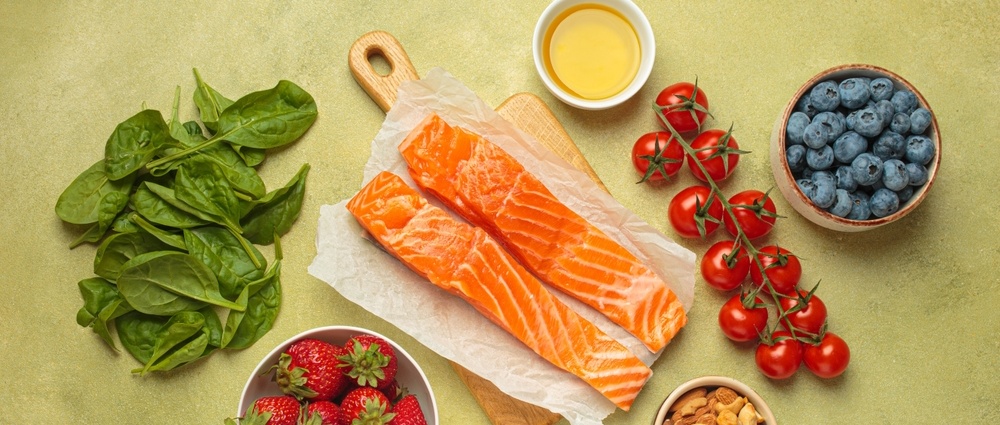
What we eat can help to relieve the symptoms of many health conditions, including arthritis. Although there is no miracle diet for arthritis, certain foods can help fight inflammation and support your joint health, such as fatty fish, fruit, vegetables, and nuts.
by Lynn Stephen

Treatment and medication
Check your medicines for interactions
Use this medicine and drug interaction checker to see whether your medicines, supplements, vitamins, foods, or certain health conditions may interact with each other. It can help you understand potential risks, avoid unwanted side effects, and decide when it’s important to speak to a pharmacist, GP, or other healthcare professional. The tool is suitable for checking both prescription and over-the-counter medicines, as well as common supplements and herbal remedies. Open in a new window
About the authorView full bio
Authored by

Victoria Raw
Feature Writer
BA (Hons), English Literature
Victoria is a content writer at Patient, with special interests spanning mental wellbeing, societal trends, and the impact of technology on our health.
Throughout her career, Victoria has partnered with a range of charities such as Ovarian Cancer Action, Scleroderma and Raynaud's UK, St John Ambulance, Andy's Man Club, the RSPCA, and Barnardo's. Her work has seen her interview a variety of well-known personalities - among them actress Gaynor Faye, Sky Sports presenter Adam Smith, and comedian Alex Mitchell, exploring their experiences and stories.
About the reviewerView full bio

Dr Krishna Vakharia, MRCGP
Chief Medical Officer for Health, Optum UK
MBChB, MRCGP(2013), BMedSci (hons), DFSRH, DRCOG, PGDipDerm (Distn)
Dr Krishna Vakharia is an NHS GP. She is also a regular examiner for the postgraduate Diploma in Practical Dermatology at Cardiff University as well as being the Chief Medical Officer for health at Optum UK.
Article history
Article also available in English, German, Spanish, French, Italian, Portuguese, Hindi, Hebrew, Arabic, and Swedish.
Next review due: 7 Feb 2028
7 Feb 2025 | Originally published
Authored by:
Victoria RawPeer reviewed by
Dr Krishna Vakharia, MRCGP
Share your thoughts or experiences with others in our patient communities.
Sign up to the Patient newsletter
Your weekly dose of clear, trustworthy health advice - written to help you feel informed, confident and in control.
By subscribing you accept our Privacy Policy. You can unsubscribe at any time. We never sell your data.