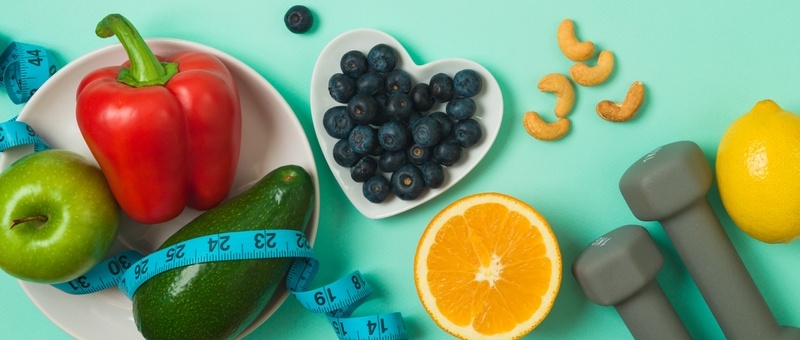
10 daily habits for healthy weight loss
Peer reviewed by Dr Colin Tidy, MRCGPLast updated by Victoria RawLast updated 12 Jan 2026
Meets Patient’s editorial guidelines
- DownloadDownload
- Share
- Language
- Discussion
- Audio Version
- Add to preferred sources on Google
Balancing a busy schedule with weight loss goals can feel overwhelming. But the good news is that small changes can make a big difference. Experts agree that introducing simple steps to your daily routine can help you lose weight healthily.
Need weight loss treatment?
Start a quick online consultation through Patient.info, available 24/7.
Reviewed by UK-registered clinicians and powered by Evaro, a UK-regulated healthcare service. Treatment can often be delivered next day.

Are you a healthy weight?
One way of judging whether your weight is in the healthy category is to use a Body Mass Index (BMI) calculator. This gives a general guideline of whether your height is proportional to your weight.
While it is a useful guide, Alyssa Pacheco, a registered dietitian from Greater Boston, USA advises that having a BMI within healthy limits, doesn't necessarily mean you're healthy. Similarly, having a BMI that falls into the overweight category doesn't mean that you're unhealthy.
"If your weight is healthy, you should feel good on a routine basis," she says. "Having energy to get through your day, healthy hair and nails - and even regular menstrual cycles in women - are all good signs your weight is healthy."
Avery Zenker, a registered dietitian from Ontario, Canada explains that the concept of having a healthy weight is broad, and can be influenced by various factors.
These include:
Age.
Sex.
Muscle mass.
Bone density.
General health.
How to lose weight healthily
Maintaining a healthy weight could reduce your chance of developing health conditions such as:
The average woman needs around 2,000 calories per day, while men need 2,500. However, keeping a healthy weight through diet goes beyond counting calories.
Dr Supatra Tovar, a clinical psychologist and registered dietitian, based in Pasadena, USA recommends approaching weight loss with a focus on long-term health, rather than quick - potentially harmful - fixes.
Pacheco adds: "When you focus on your habits, such as healthy eating and exercise, your weight tends to level out exactly where it wants to be - and that's usually your healthiest weight."
1. Eat more protein
Protein is vital for growth, recovery, and giving your body essential nutrients. It can also help with healthy weight loss.
Pacheco says: "Protein keeps you feeling full for longer. It can lower ghrelin - the body's hunger hormone - and increase the hormone that reduces appetite (peptide YY). Including more protein in your diet - alongside complex carbohydrates and healthy fats - will make you feel less hungry."
Good sources of protein include: Meat (lean cuts), fish, dairy products, eggs, beans, peas, lentils, nuts, whole grains.
2. Increase your fibre
You should eat at least five servings of different fruits and vegetables a day. They're full of vitamins and minerals, and a great source of fibre.
Pacheco explains that fibre is a non-digestible carbohydrate that keeps your blood sugar levels stable, enhances your overall health and makes you feel fuller.
Zenker adds that fibre has very few calories, and your body digests it slowly, which helps you feel full.
"The water content in fibre adds volume, which stretches your stomach and signals fullness," she says. "Water-rich foods such as vegetables and fruit can help increase the volume of meals."
Good sources of fibre include: berries, pears, kiwis, apples, bananas, broccoli, brussels sprouts, avocados, carrots, whole grain breads, quinoa, oats, beans, chickpeas, lentils, potatoes.
3. Cut back on processed foods
You should eat less ultra-processed and high-calorie foods.
"These foods are not only high in calories," Zenker warns. "But low in vitamins and minerals."
Foods to limit your consumption of include: fast food, sugar-sweetened drinks, pastries and sweets, fried foods, and processed meat - for example, burgers, bacon and sausages.
4. Simple swaps
Replacing high-saturated-fats, and sugary foods with options that promote healthy weight loss can have a significant effect.
According to Pacheco, some examples of this include:
Replacing sugary cereal with wholegrain alternatives.
Swapping sour cream for plain Greek yoghurt.
Eating fresh fruit instead of drinking juice.
"In terms of this last example," she explains. "Juice may contain vitamins and minerals, but it's missing out on the fibre of the whole fruit."
Arabella Featherstone, fitness trainer and health coach, Feathers Food & Fit, Cádiz, Spain says: "Try switching from highly processed carbs to whole grains. Choosing whole grains over white pasta, rice and bread can be a good way to add more fibre into your diet."
Opting for healthy fats such as olive oil, avocados, nuts, and fish instead of unhealthy fats is also a simple way to reduce saturated fat levels.
5. Drink plenty
You should drink around 6-8 glasses of water a day to keep your body functioning healthily. However - like Zenker says - drinking enough water can also help you lose weight by making your tummy feel full.
The healthiest way to enjoy flavoured water is to add slices of fruit, herbs, or vegetables for a hint of natural taste. Stay away from drinks that are high in sugar content and limit your alcohol intake.
6. Get active
Aim for at least 150 minutes of exercise a week to help keep a healthy weight.
Tovar recommends incorporating regular physical activity into your daily routine as the easiest way to do this.
"Find an exercise you enjoy - whether it's walking, swimming, dancing, or yoga," she says. "But don't over-exercise, as this can lead to injuries, long-term fatigue, and burnout."
Featherstone advises it's best to make gradual and sustainable changes to your exercise routine. She also suggests you eat enough of the right things to give your body the fuel it needs for exercising.
Exercise is much more than a tool for weight loss. Zenker says it helps improve mood, mental clarity, manages blood sugar, improves sleep, and makes you feel more energised.
7. Sleep well
Most of us need around 7-9 hours of sleep a night for the good of our wellbeing. It's just as important as eating a balanced diet and getting enough exercise.
Poor sleep can make it harder to maintain a healthy lifestyle for weight loss.
Lack of sleep can lead to:
A lower metabolic rate - means your body burns calories slower.
Increased calorie intake.
Choosing less nutritious foods.
Low energy levels.
8. Be more mindful
Mindful eating involves eating slowly to become more in tune with your body's hunger signals. Doing so can help you stop eating when you're full.
This practice transforms mealtimes into a pleasurable and nourishing experience.
Zenker says "By engaging your senses and listening to your body’s cues, you can develop a healthier relationship with food."
She explains that the principles of mindful eating involve tuning into your internal hunger and fullness signals to avoid overeating. It also encourages portion control, minimises distractions, and slows your eating pace.
Tovar recommends the following guidelines to help enhance your mealtime enjoyment and recognise signs of fullness:
Listen to your body
Pay attention to your hunger and fullness signals.
Eat when you're hungry and stop when you feel full - not overfull.
Be present while eating
Slow down and be present during meals.
Focus on your food - savour each bite.
Avoid distractions - such as TV or smartphones.
9. Be kind to yourself
Balancing physical and mental health is important when beginning a weight loss journey. Don't be too hard on yourself if progress is slower than expected.
Zenker warns that self-loathing and negative self-talk can create a cycle of shame and guilt. This can harm rather than help your health.
"An approach rooted in self-love and compassion is better for positive and long-lasting changes," she says.
Featherstone adds: "Sticking to new eating and exercise patterns can seem a struggle at first, so don’t push yourself to the extreme. Bear in mind that there are often emotional factors associated with certain types of food, and changing things can cause stress and anxiety. If that’s the case then go slow and perhaps talk to a healthcare professional for support."
10. Be realistic
Set achievable weight loss goals. A safe and sustainable rate is around 1-2 pounds (0.5-1 kilograms) a week. Gradual weight loss allows your body to adjust and helps preserve muscle mass. Losing weight too fast can lead to health complications.
"Remember, losing weight is about being physically healthy - not being physically thinner," says Featherstone. "Your ultimate goal should be to avoid developing long-term health conditions such as heart attacks, strokes, high cholesterol and blood pressure."
Tools such as a calorie calculator can help you plan gradual, sustainable weight loss.
Unhealthy ways to lose weight
Most experts advise against fad diets that eliminate food groups or severely restrict calories. They are generally unsustainable and harmful to your health.
According to Tovar diets to avoid include:
Juice cleanses: - can lead to dehydration, electrolyte imbalances, and other health issues.
Restrictive diets - such as the military diet: can lead to nutrient imbalances, muscle loss, and a slowed metabolism.
Pacheco warns: "Skipping meals to save calories is also a bad idea. When you skip meals, your blood sugar levels can become more erratic - which leads to cravings and overeating."
In short, a balanced and realistic approach is the best way to achieve and maintain a healthy weight.
In Tovar's words: "Sustainable weight loss involves balanced nutrition, regular physical activity, and mindful eating practices."
If you're unsure where to begin - or have underlying health conditions - you should get advice from a specialist before starting on a weight loss programme.
Patient picks for Obesity and weight loss
Treatment and medication
What happens when you stop taking weight loss injections?
We look at what happens when you stop weight loss injections. What lifestyle changes you might need to make and how to minimise your chance of regaining weight once the treatment ends.
by Victoria Raw
Healthy living
The most common reasons you're not losing weight
If you're worried about not reaching your ideal weight - despite recently shedding some pounds - we explore potential reasons why your weight loss may have plateaued.
by Victoria Raw
Frequently asked questions
What are some practical examples of healthy fats I should consider adding to my diet?
Healthy fats are an important part of a balanced diet. You can incorporate options like olive oil, avocados, nuts, and fish into your meals to replace less healthy saturated fats.
Beyond weight loss, what are the additional health benefits of regular exercise?
Regular physical activity offers a wide range of benefits beyond just weight loss. It can help improve your mood, enhance mental clarity, assist in managing blood sugar levels, improve the quality of your sleep, and increase your overall energy levels.
How can I make my water more appealing if I find plain water boring?
If you want to flavour your water without adding sugar, you can infuse it with natural ingredients. Try adding slices of fruit, fresh herbs, or vegetables for a refreshing hint of taste.
What are some good sources of protein I should include in my diet?
Good sources of protein are important for feeling full and for your overall health. Consider including lean cuts of meat, fish, dairy products, eggs, beans, peas, lentils, nuts, and whole grains in your meals.
What are some good sources of fibre that I can easily add to my diet?
Fibre is helpful for satiety and overall health. You can find it in various foods such as berries, pears, kiwis, apples, bananas, broccoli, Brussels sprouts, avocados, carrots, whole grain breads, quinoa, oats, beans, chickpeas, lentils, and potatoes.
How does poor sleep specifically impact my weight loss efforts?
Poor sleep can hinder your weight loss efforts in several ways. It can lead to a lower metabolic rate, meaning your body burns calories slower. It also tends to increase overall calorie intake, encourages you to choose less nutritious foods, and results in low energy levels and a lack of motivation to exercise.
What are the common signs that my weight is healthy, even if my BMI doesn't perfectly reflect it?
Beyond what a BMI calculator indicates, a healthy weight is often reflected in how you feel daily. Good signs include having consistent energy to get through your day, healthy hair and nails, and for women, regular menstrual cycles.
About the authorView full bio
Updated by

Victoria Raw
Feature Writer
BA (Hons), English Literature
Victoria is a content writer at Patient, with special interests spanning mental wellbeing, societal trends and the impact of technology on our health.
Authored by
Victoria Raw
Feature Writer
BA (Hons), English Literature
Victoria is a content writer at Patient, with special interests spanning mental wellbeing, societal trends and the impact of technology on our health.
About the reviewerView full bio

Dr Colin Tidy, MRCGP
General Practitioner, Medical Author
MBBS, MRCGP, MRCP (Paediatrics), DCH
Dr Colin Tidy is an NHS Doctor, based in Oxfordshire.
Article history
Article also available in English, German, Spanish, French, Italian, Portuguese, Hindi, Hebrew, Arabic, and Swedish.
Next review due: 11 Jan 2029
12 Jan 2026 | Latest version
3 Sept 2024 | Originally published
Authored by:
Victoria Raw
Join the conversation
Share your thoughts or experiences with others in our patient communities.

Ask, share, connect.
Browse discussions, ask questions, and share experiences across hundreds of health topics.

Feeling unwell?
Assess your symptoms online for free
Sign up to the Patient newsletter
Your weekly dose of clear, trustworthy health advice - written to help you feel informed, confident and in control.
By subscribing you accept our Privacy Policy. You can unsubscribe at any time. We never sell your data.