- Health topics
- Heart health and blood vessels

Heart health and blood vessels
Blood pressure

Heart health and blood vessels
High blood pressure
by Dr Doug McKechnie, MRCGP

Heart health and blood vessels
High cholesterol
by Dr Rosalyn Adleman, MRCGP

Treatment and medication
Statins and other lipid-lowering medicines
by Dr Rachel Hudson, MRCGP

Heart health and blood vessels
Bradycardia
by Dr Colin Tidy, MRCGP
Blood pressure
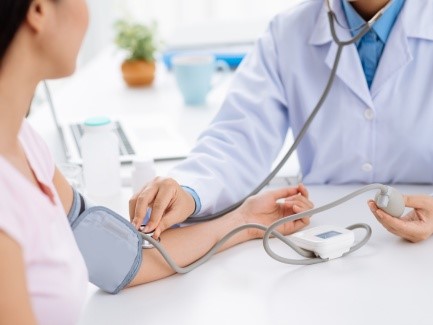
Abnormal blood pressure generally refers to high blood pressure (hypertension) or low blood pressure (hypotension). Because it often has no symptoms, checking it regularly is crucial to prevent serious complications like heart attacks or strokes.
Blood vessel disorders
Blood vessel disorders, or vascular diseases, affect your arteries, veins, and lymphatic vessels. They range from conditions restricting blood flow due to plaque buildup to vessel inflammation and blood clots.
- Abdominal aortic aneurysm
- Aortic dissection
- Buerger's disease
- Coarctation of the aorta
- Coronary artery spasm
- Deep vein thrombosis
- Giant Cell Arteritis
- Granulomatosis with polyangiitis
- Henoch-Schönlein purpura
- Osler-Weber-Rendu syndrome
- Peripheral arterial disease
- Peripheral vasodilators
- Pulmonary embolism
- Raynaud's phenomenon
- Superficial thrombophlebitis
- Varicose eczema
- Varicose veins
- Venous leg ulcers
Heart attack
A heart attack (myocardial infarction) occurs when a sudden blockage or severe reduction in blood flow cuts off the oxygen supply to a part of the heart muscle. This is a medical emergency.
Heart disease
Heart disease includes various conditions affecting the heart's valves, muscle and blood supply. Causes can be structural problems from birth, faulty genes, or lifestyle factors like smoking or poor diet.
- Angina
- Aortic regurgitation
- Aortic stenosis
- Aspirin and other antiplatelet medicines
- Atrial septal defect
- Beta-blockers
- Cardiovascular disease
- Cardiovascular health risk assessment
- Congenital heart disease
- Dilated cardiomyopathy
- Heart disease
- Heart valve disease
- Hypertrophic cardiomyopathy
- Microvascular angina
- Mitral regurgitation
- Mitral stenosis
- Nitrate medication
- Ventricular septal defect
Heart failure
When the heart struggles to pump blood, it’s called heart failure. Learn about the causes, symptoms, and treatments that help manage the condition.
Heart infections
Infections can affect the heart lining or valves. Learn the symptoms of heart infections and how early diagnosis and treatment improve outcomes.
Heart palpitations
Normally, we are not consciously aware of our heart beating. Heart palpitations are when you become aware of your heart beating with the sensation of a racing, pounding, or fluttering heartbeat. They are often caused by stress, anxiety, caffeine, or hormone changes.
Heart tests
Heart tests include ECGs, echocardiograms and stress tests. Learn how these investigations help diagnose heart conditions and guide treatment.
High cholesterol
High cholesterol occurs when you have too much fatty substance in your blood. It typically causes no symptoms but drastically increases your risk of heart attacks and strokes. Managing it requires lifestyle changes and potentially prescription medication.
Stroke
A stroke is a medical emergency that occurs when blood flow to part of the brain is blocked or a blood vessel in the brain bursts. It requires immediate medical attention to minimise brain damage and long-term disability.