Why is high blood pressure a big problem?
Peer reviewed by Dr Hayley Willacy, FRCGP Authored by Dr Sarah JarvisOriginally published 28 Nov 2017
Meets Patient’s editorial guidelines
- DownloadDownload
- Share
- Language
- Discussion
- Audio Version
- Add to preferred sources on Google
You need it to survive - but while you're unlikely to know if you've got raised blood pressure (hypertension), it's 'too much of a good thing'. Almost half of all Americans have high blood pressure as stated by new guidelines released by the American Heart Association. And we can’t afford to be complacent this side of the pond either; over one in four adults have hypertension according to - slightly more lenient - UK guidance.
So how do you know if yours is just right? And why is it so important to 'know your numbers'?
Sponsored
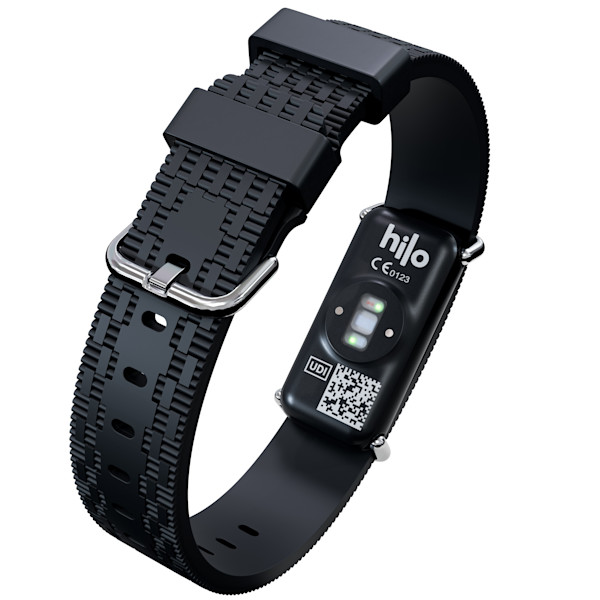
Patient recommends... Hilo
Track your blood pressure continuously, day and night - without an inflatable cuff. Traditional cuffs capture just one moment, if you remember to use them. Hilo takes about 25 readings a day, revealing how stress, meals, and activity affect your blood pressure so you can make informed choices for your wellbeing.
› Shop now
What is blood pressure?
Your blood pressure is the pressure inside your arteries as your blood is pumped around your system. When it's measured, you'll be given two figures, one 'over' the other. The upper one is the pressure in your circulation as your heart pumps blood out - every time your heart 'beats', it's actually pumping blood in a gush around your system. The lower one is the pressure that remains while your heart is resting between beats. 'Ideal' blood pressure is below one hundred and twenty over eighty - written as 120/80.
High blood pressure symptoms
It can be tricky to know if you have high blood pressure because only very rarely does it have any symptoms. It's usually only picked up if your blood pressure is checked by your GP. Though sometimes, if it's very high, you might experience headaches. Very occasionally people feel a bit dizzy or find their vision is affected.
Why is high blood pressure a problem?
Our blood pressure naturally goes up and down during the day, depending on what we're doing, how much stress we're under etc. Making your heart pump faster (for example, as when you're exercising) increases your blood pressure. Although regular exercise brings blood pressure down by making your heart stronger.
Consistently high blood pressure increases your chance of a stroke or heart attack. That's why it's so important to get your blood pressure checked regularly; to go back for regular check-ups if you're diagnosed with high blood pressure; and to take the treatment you're prescribed every single day. This will cut your risk of stroke dramatically.
What figures mean my blood pressure is high?
If you're otherwise healthy, your blood pressure is considered to be high enough to need treatment if the upper figure is above 160/100 - or if the average of many readings is above 150/95 . The aim of treatment is to get the upper figure below 140/90 (or an average over many readings of 135/85). If you have other conditions like diabetes or kidney problems, the targets may be lower still (below 130/80).
Until very recently in the USA, hypertension was defined as 140/90 or higher. But now, high blood pressure will be diagnosed if the reading is 130/80 or higher. That takes the number of Americans in the 'high blood pressure' category from just over 1 in 3 to almost 1 in 2.
What causes high blood pressure?
As we get older, our arteries (like so many other bits of our bodies!) become stiffer and less flexible. This increases the risk of high blood pressure, especially in the upper reading. Whether your blood pressure is high enough to need treatment or not, it's worth taking steps to prevent it rising too much. Simple changes can cut your risks dramatically.
How to reduce blood pressure naturally
Since we can't do anything about one of the most common causes of raised blood pressure (getting older - sorry, more mature!), try to:
Lose weight
The guideline says: for every 1 kg you lose in weight, your blood pressure should drop by about 1 mm Hg. That means losing 10 kg should drop your blood pressure by about the same as a blood pressure-lowering tablet
Being overweight or obese increases your risk of developing high blood pressure. In fact, in about half of people with hypertension, excess weight plays a part. Of course, obesity increases the chances of developing type 2 diabetes and high cholesterol, which are also risk factors for heart disease. For inspiration, give our How to lose weight the healthy way feature a read.
Watch your diet
The guideline says: a healthy diet like the DASH diet can cut your upper blood pressure level by as much as 11 mm Hg if you have high blood pressure
The Mediterranean diet, low in processed foods, refined carbs and saturated fat and high in fruit, veg and unrefined carbohydrates, has many proven health benefits. The DASH diet takes it one stage further, encouraging lower salt intake as well.
Cut down on salt
The guideline says: cutting salt, including hidden sources of salt, could cut your blood pressure by up to 6 mm Hg.
Salt has been used for thousands of years to flavour - and preserve - food. Yet it's only recently that we've learnt about its dangers - or lived long enough to experience them. Because the sodium in salt makes your body retain water. This, in turn, increases the amount of blood in your arteries - and that increases your blood pressure. What's more, as you get older, your body gets less efficient at removing salt from your system through your kidneys - so the less you can cope with. UK guidelines recommend not more than six grams (about a teaspoon) a day from all sources in our food
Take regular exercise
The guideline says: regularly reaching the government guidelines on exercise could cut your blood pressure by up to 8 mm Hg if you have high blood pressure
Every little helps, but 30 minutes of the sort of exercise that leaves you mildly out of breath, five times a week, is ideal. Regular activity makes your heart stronger which means the organ can pump more blood with less effort (ie without raising your blood pressure).
Make mine a small one
The guideline says: if you drink alcohol, sticking to less than 2 units of alcohol a day could reduce your blood pressure by 4 mm Hg
How to treat high blood pressure
There are lots of medications to treat high blood pressure. Your GP will work out the best one for you. Once you've found a pill that suits you, it's important to keep taking the medication every day. You'll also need to monitor your blood pressure regularly and go to your doctor for check-ups.
What does the future hold?
Sometimes medications for hypertension don't work well enough to bring people's blood pressure down to their target numbers - although that's often due to not taking the medicines as prescribed. Scientists are currently looking into alternatives.
One potential treatment is a procedure called renal denervation. It aims to reduce activity in the nerves around the arteries leading to the kidneys. A catheter is used to treat tissue around the artery with ultrasound, calming the nerves and potentially reducing blood pressure. Some trials have been very promising, although follow-up studies suggest the procedure might not be as effective as doctors initially hoped.
Researchers are also investigating a small implant called the MobiusHD which is implanted inside an artery in the neck. The device releases signals which tell the blood vessels in your arms and legs to dilate, which reduces your blood pressure.
How low can you go?
With all the focus on hypertension, it can be hard to remember that low blood pressure (hypotension) can be a problem, too. As a rule, the fitter you are, the lower your blood pressure. As long as you feel fine, a blood pressure as low as 100 over 60 is OK.
However, seriously low blood pressure can cause:
Light-headedness (especially when you stand up quickly).
Palpitations.
Some medical conditions that make your heart go too fast or too slowly can cause low blood pressure, as can some hormone disorders and, in the short term, so can blood loss or being very dehydrated. Fortunately, low blood pressure itself rarely causes serious problems.
Patient picks for Blood pressure
Heart health and blood vessels
Blood pressure: understanding your readings
According to the British Heart Foundation (BHF), around 3 in 10 people in the UK have high blood pressure. High blood pressure often goes unnoticed, leaving 5 million adults in the UK unaware that they have it. Checking your blood pressure regularly and understanding your results is crucial for early diagnosis and treatment.
by Victoria Raw
Heart health and blood vessels
On the rise: what causes high blood pressure in young adults
High blood pressure is affecting the under 50s more and more frequently - but why? We explore the lifestyle habits among Millennials that may be responsible for this rise. Whatever your age, by addressing these causes of high blood pressure, you can help keep your blood pressure healthy and try to avoid the serious health issues it can lead to.
by Lynn Stephen
Frequently asked questions
What is the ‘ideal’ blood pressure?
An 'ideal' blood pressure reading is considered to be below 120/80. This means the upper number (systolic pressure) is below 120, and the lower number (diastolic pressure) is below 80.
Does blood pressure change throughout the day?
Yes, your blood pressure naturally fluctuates during the day. It changes depending on your activities and your stress levels. For example, exercise can temporarily increase your blood pressure, though regular exercise generally helps to lower it by strengthening your heart.
What targets should my blood pressure reach after treatment?
If you are otherwise healthy, the aim of blood pressure treatment is to get the upper figure below 140/90, or an average of many readings below 135/85. If you have co-existing conditions like diabetes or kidney problems, your target blood pressure may be set even lower, typically below 130/80.
How does losing weight help to lower blood pressure?
Losing weight can significantly lower your blood pressure. For every kilogram you lose, your blood pressure can drop by about 1 mm Hg. In approximately half of all people with hypertension, excess weight is a contributing factor. Additionally, obesity increases the risk of developing type 2 diabetes and high cholesterol, which are also linked to heart disease.
How does drinking alcohol affect blood pressure?
If you consume alcohol, sticking to less than 2 units per day could help reduce your blood pressure by about 4 mm Hg. This is one of the natural ways to help manage your blood pressure.
What are the cutting-edge treatments being researched for high blood pressure?
Scientists are exploring new treatments for high blood pressure. One potential approach is renal denervation, which calms nerves around the arteries leading to the kidneys using ultrasound. Another area of research involves a small implant called MobiusHD, placed in an artery in the neck, which signals blood vessels to dilate and thus lower blood pressure.
About the authorView full bio
Authored by

Dr Sarah Jarvis
Clinical Consultant
MA (Cantab), BM, BCh (Oxon), DRCOG, FRCGP, MBE
After training in medicine at Cambridge and Oxford, Dr Sarah Jarvis MBE became a GP.
About the reviewerView full bio

Dr Hayley Willacy, FRCGP
General Practitioner, Medical Author
MBChB (1992), DRCOG, DFFP, MRCOG (Part 1) MRCGP (2007), DFSRH (2013), MSc - medical education (2020)
Dr Hayley Willacy was an NHS GP working in northwest England, who retired from clinical practice in 2022 after 30 years.
Article history
Article also available in English, German, Spanish, French, Italian, Portuguese, Hindi, Hebrew, Arabic, and Swedish.
28 Nov 2017 | Originally published
Authored by:
Dr Sarah JarvisPeer reviewed by
Dr Hayley Willacy, FRCGP
Join the conversation
Share your thoughts or experiences with others in our patient communities.

Ask, share, connect.
Browse discussions, ask questions, and share experiences across hundreds of health topics.

Feeling unwell?
Assess your symptoms online for free
Sign up to the Patient newsletter
Your weekly dose of clear, trustworthy health advice - written to help you feel informed, confident and in control.
By subscribing you accept our Privacy Policy. You can unsubscribe at any time. We never sell your data.