
Review: Home cholesterol testing kits
Peer reviewed by Dr Sarah JarvisAuthored by Danny ChadburnOriginally published 2 Nov 2017
Meets Patient’s editorial guidelines
- DownloadDownload
- Share
- Language
- Discussion
- Audio Version
- Add to preferred sources on Google
Using a home test can be a convenient way to check your cholesterol levels. But before you hand over your cash, there are a few factors to consider.
The UK's medicines and medical device regulator (MHRA) says home testing can play an important role in healthcare, but kits and readings shouldn't be relied upon on their own. Most kits will only measure total cholesterol, rather than the ratio of HDL to LDL – ‘good’ to ‘bad’ – cholesterol too.
Even if a home cholesterol test shows normal results, you should still have regular check-ups with your GP. Your GP or practice nurse can also provide a cholesterol test, including HDL and LDL cholesterol, for free if you’re over 40.
But if you do want help to keep an eye on your cholesterol, which kits are worth paying for?
Cholesterol Home Test Kit
£11.99, Boots
What it contains: Test card, lancet – a small plastic device containing a sharp pin to prick the finger – and a plaster.
How to use: You hold your middle finger against the lancet and press a lever to prick it. Wait until a big drop of blood forms, then drop it on to the test card provided. After three minutes, you match your results colour against the accompanying chart printed at the bottom of the test card.
How easy is it? It’s pretty easy to collect the blood and follow the instructions, but my results could have been interpreted as three different readings, as the colours on the chart aren’t very distinct. This could be very misleading.
Verdict: Although the most reasonably priced kit and quick to use, it was tricky to read the results. And like most of these home tests, it only gives a total cholesterol reading. 2/5
Cholchecker
£17.99 for two, available in pharmacies
What it contains: A lancet and results chart, plus you get two tests in one kit.
How to use: The same pinprick and drop of blood technique as the Boots kit.
How easy is it? The instructions were really clear, and having two tests is really useful if the first one goes wrong for any reason. Again, I only had to wait three minutes for my results, but the test strip and colour chart were identical to the Boots kit so it was also difficult to read.
Verdict: This kit is slightly better value than the single test, working out at £9 a test, although I was still struggling to interpret my results. 3/5
Easy Life Cholesterol Monitor 3-in-1 Kit
£39.99, Amazon
What it contains: This starter pack contains a battery-operated monitor that also measures blood sugar (normally raised in diabetes) and uric acid (normally raised in gout), 25 ‘auto-lance’ finger prickers and two cholesterol test strips, plus 10 blood sugar and 10 uric acid strips.
How to use: Once you’ve set up the machine – adding batteries, setting the date and switching to cholesterol function by inserting one of three plug-in chips provided – you fit one of the cholesterol test strips into the top of the machine. Using the finger pricker, you draw a droplet of blood and hold it against the arrow on the test strip. Blood is drawn into the strip, and the monitor gives you your total cholesterol results in just three seconds.
How easy is it? It takes around 15 minutes to read the instructions and get started, but once the monitor is up and running it’s very easy to use. A digital number reading means you’re not relying on personal interpretation of a colour chart, so I trusted the result more.
Verdict: A fast, handy system. Once you’ve forked out the initial £40 for the monitor, it was the most cost-effective test at just over £1 per strip. But it suffers from the same problem of only testing total cholesterol. 4/5
Baseline
£50, Thriva
What it contains: three lancets, blood vials and Freepost envelopes
How to use: You order your kit online, which is posted to you. Then it’s another pinprick test but because you’re sending a sample away to be tested, you have to squeeze out enough blood to fill a small container, before sealing and posting in the prepaid envelope. Results are emailed back to you within 72 hours – with a full breakdown of your cholesterol levels – plus a doctor’s advice on what they mean and how to reduce your cholesterol if needed. As a bonus, it also checks your iron, vitamin D levels and liver function.
How easy is it? It’s trickier than the other tests, as more blood is needed – if it stops flowing before you fill the container you’ll have to prick the same finger again, which can get a bit sore.
Verdict: Although the priciest kit, it’s the only one that tells you both your good and bad cholesterol levels, plus your triglyceride levels. It’s also reassuring that a real doctor looks over your results. 5/5
While home-testing kits can help you monitor your cholesterol levels, you must still see your GP for check-ups. Heart disease risk isn’t just about cholesterol – your weight, blood pressure and family history of heart disease are all important factors too. Your doctor can check all these risk factors, as well as your total cholesterol levels.
Patient picks for High cholesterol

Heart health and blood vessels
Have TV chefs given us high cholesterol?
We love our TV cookery shows, but are all those indulgent recipes influencing unhealthy eating and pushing up our cholesterol levels?
by Danny Chadburn
Heart health and blood vessels
Understanding your cholesterol levels
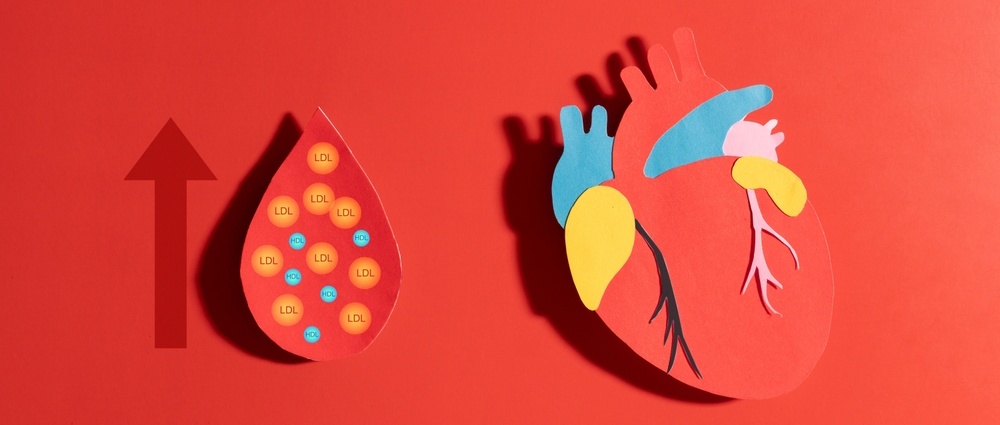
So, you’ve had your cholesterol checked, but what do those numbers really mean? And what do you need to do now? We take a look at the facts and figures.
by Lynn Stephen
About the author
Authored by

Danny Chadburn
Head of Content
Danny was the previous Head of Content at Patient.
About the reviewerView full bio

Dr Sarah Jarvis
Clinical Consultant
MA (Cantab), BM, BCh (Oxon), DRCOG, FRCGP, MBE
After training in medicine at Cambridge and Oxford, Dr Sarah Jarvis MBE became a GP.
Join the conversation
Share your thoughts or experiences with others in our patient communities.

Ask, share, connect.
Browse discussions, ask questions, and share experiences across hundreds of health topics.

Feeling unwell?
Assess your symptoms online for free
Sign up to the Patient newsletter
Your weekly dose of clear, trustworthy health advice - written to help you feel informed, confident and in control.
By subscribing you accept our Privacy Policy. You can unsubscribe at any time. We never sell your data.