ADHD self-assessment tool
Authored by Patient infomatics teamOriginally published 12 May 2026
Meets Patient’s editorial guidelines
- DownloadDownload
- Share
- Language
- Discussion
- Audio Version
- Add to preferred sources on Google
Struggling to focus. Starting tasks but not finishing them. Feeling constantly distracted, overwhelmed, restless, or as though your mind never switches off.
For some people, these experiences may be linked to Attention deficit hyperactivity disorder (ADHD) - a neurodevelopmental condition that can affect attention, organisation, impulse control, energy levels, and day-to-day routines.
ADHD is often associated with childhood, but many people are not recognised until adulthood. In some cases, symptoms may have been misunderstood, masked, or attributed to stress, anxiety, personality, or simply being “busy”.
This screening tool is designed to help you reflect on common traits associated with ADHD in adults. It can help you understand whether it may be worth speaking to a healthcare professional.
Sponsored
Well Life ADHD Clinic
Get access to a FREE consultant-led NHS ADHD service with faster assessment times, full diagnosis, and ongoing treatment - all free on the NHS.
Answer a series of short questions based on how you’ve felt and functioned over the past six months.
The questionnaire should take around 3–5 minutes to complete.
Your responses are private, and you’ll receive immediate guidance based on your answers.
Patient picks for Neurodiversity
Brain and nerves
ADHD in adults
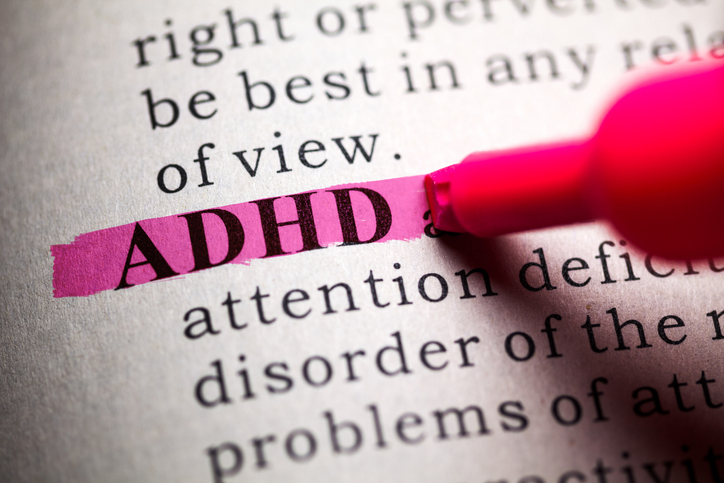
Attention deficit hyperactivity disorder (ADHD) causes problems with concentrating (inattention), and being too active and having difficulty staying focused (hyperactivity). The difficulties caused by ADHD vary from mild to severe. Although ADHD starts in childhood, the difficulties often persist into adulthood. Sometimes adults are diagnosed with ADHD for the first time because the problems have not been properly assessed and the diagnosis not made during childhood. Attention deficit disorder (ADD) is a term used for people who have excessive difficulties with concentration without other ADHD symptoms such as excessive impulsiveness or hyperactivity.
by Dr Colin Tidy, MRCGP

Brain and nerves
Autism spectrum disorders
Autism spectrum disorder (ASD), commonly known as autism, affects the way that a person communicates with, and relates to, other people. The National Autistic Society defines autism as 'a lifelong developmental disability which affects how people communicate and interact with the world'. People with autism spectrum disorders usually need specialist care and education. Many people feel that autism should not be called a disorder. The term autism spectrum condition is therefore sometimes used instead of autism spectrum disorder. For consistency with most NHS resources in this area, we will use the term ASD throughout this leaflet.
by Dr Toni Hazell, FRCGP
About the authorView full bio

Patient infomatics team
The Patient.info Informatics Team ensures our medical content and tools are accurate, evidence-based, and aligned with trusted NHS and NICE guidance.
Article history
The information on this page is written and peer reviewed by qualified clinicians.
Article also available in English, German, Spanish, French, Italian, Portuguese, Hindi, Hebrew, Arabic, and Swedish.
12 May 2026 | Originally published
Authored by:
Patient infomatics team
Join the conversation
Share your thoughts or experiences with others in our patient communities.

Ask, share, connect.
Browse discussions, ask questions, and share experiences across hundreds of health topics.

Feeling unwell?
Assess your symptoms online for free
Sign up to the Patient newsletter
Your weekly dose of clear, trustworthy health advice - written to help you feel informed, confident and in control.
By subscribing you accept our Privacy Policy. You can unsubscribe at any time. We never sell your data.
More in brain and nerves
- ADHD in adults
- Brain tumours
- Cauda equina syndrome
- Cerebral palsy
- Diabetic neuropathy
- Dystonia
- Epilepsy and contraception
- Epilepsy medication and side-effects
- Essential tremor
- Extradural haematoma
- Foot drop
- Headache
- Idiopathic intracranial hypertension
- Medication and treatment for dementia
- Meralgia paraesthetica
- Migraine
- Migraine and combined hormonal contraception
- Muscle weakness
- Peripheral neuropathy
- Restless legs syndrome