
Which foods help lower blood pressure?
Peer reviewed by Dr Colin Tidy, MRCGPAuthored by Heather AinsworthOriginally published 5 Dec 2025
Meets Patient’s editorial guidelines
- DownloadDownload
- Share
- Language
- Discussion
- Audio Version
- Add to preferred sources on Google
What if some of the most powerful tools for lowering blood pressure (hypertension) were already in your kitchen?
Many everyday foods contain nutrients that naturally relax your blood vessels, reduce inflammation, and support healthier circulation.
By knowing which foods lower blood pressure naturally, you can make simple diet changes that help reduce hypertension and protect your long-term heart health.
Sponsored
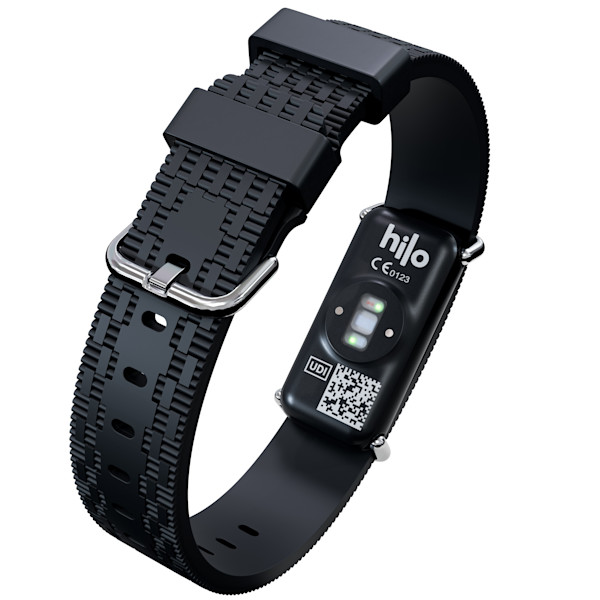
Patient recommends... Hilo
Track your blood pressure continuously, day and night - without an inflatable cuff. Traditional cuffs capture just one moment, if you remember to use them. Hilo takes about 25 readings a day, revealing how stress, meals, and activity affect your blood pressure so you can make informed choices for your wellbeing.
› Shop now
How does diet affect blood pressure?
What you eat has a huge impact on your blood pressure. Diets high in sodium, processed foods, and added sugars can make your body hold onto extra fluid, putting strain on your blood vessels and raising your chance of high blood pressure.
High blood pressure is when the force of blood pushing against artery walls is consistently too high. This pressure makes your heart pump harder and can lead to serious health conditions such as heart attack or stroke.
Note - blood pressure is measured as:
Systolic blood pressure (top number) - the pressure in your arteries when your heart beats. It shows how hard your heart is pushing blood out into the body.
Diastolic blood pressure (bottom number) - the pressure in your arteries when your heart is resting between beats. It shows how relaxed or stiff your blood vessels are.
The good news is that foods packed with potassium, magnesium, fibre, antioxidants, and nitrates can help keep your heart healthy by:
Relaxing and widening blood vessels.
Keeping your arteries flexible.
Balancing sodium levels.
Supporting overall cardiovascular health.
That’s why heart-healthy eating plans such as the DASH diet are widely recommended for managing high blood pressure.
What is the DASH diet?
The DASH diet (Dietary Approaches to Stop Hypertension) is a healthy eating plan designed to lower blood pressure, boost energy, and support long-term wellness.
It focuses on eating whole, nutrient-rich foods such as fruits, vegetables, wholegrains, lean proteins, nuts, and low-fat dairy, while cutting back on salt, sugary snacks, and processed foods.
In simple terms, the DASH diet is about filling your plate with colourful, fresh foods and choosing options that help your heart work better. It’s easy to follow, flexible, and perfect for anyone wanting a balanced, sustainable way to eat for improved health.
Following the DASH diet doesn't have to be complicated, so we've rounded up 15 everyday foods that can be easily added to your diet.
Foods for lowering blood pressure

15 foods that help lower blood pressure
1. Avocado
Avocados provide heart-healthy monounsaturated fats, fibre, and potassium - a powerful trio that supports better blood vessel function and stable blood pressure.
Eating around half an avocado a day - or 2-4 avocados per week - not only helps reduce systolic blood pressure but also lowers 'bad' cholesterol (LDL).1
Tip: Add to sandwiches, mash onto wholegrain toast, or blend into dressings and dips.
2. Blueberries
Blueberries are loaded with flavonoids - antioxidants associated with better artery function and improved blood circulation.
Consuming 200 grams of blueberries every day for one month can reduce your systolic blood pressure on average by 5 millimetres of mercury (mmHg), as well as improving blood-vessel function.2
Tip: Add frozen berries to yoghurt or porridge for a heart-healthy boost.
3. Oats and wholegrains
Oats and wholegrains such as quinoa, barley, and brown rice provide soluble fibre, which helps lower cholesterol and stabilise blood pressure.
Eating three servings of wholegrains each day can lower blood pressure and, in turn, reduce the chance of heart disease in middle-aged adults.3
Tip: Choose oats for breakfast or swap white bread and pasta for whole-grain versions.
4. Beetroot
Beetroots are rich in dietary nitrates that convert into nitric oxide - a compound that helps widen blood vessels and improve circulation.
Drinking 250 millilitres of beetroot juice a day for 4 weeks can significantly lower the blood pressure of people with high blood pressure.4
Tip: Add beetroot to salads, or drink a small glass of beetroot juice.
5. Garlic
Garlic contains allicin, a plant compound known to support blood vessel dilation and improve blood flow.
Having 2-5 grams of raw garlic or 600-1,200 milligrams of aged garlic extract per day can reduce systolic and diastolic blood pressure by over 3 mmHg.5
Tip: Use fresh garlic in cooking, add to dressings, or roast whole cloves for a milder, sweeter flavour.
6. Nuts and seeds
Nuts and seeds such as almonds, walnuts, pistachios, chia seeds, flaxseeds, and pumpkin seeds provide healthy fats, magnesium, and fibre - and are all linked to lower blood pressure.
Eating 4-5 servings a week of tree nuts and seeds can significantly reduce systolic blood pressure in those without type 2 diabetes.6
Tip: Add nuts and seeds to salads, snack on a small handful, or stir seeds into yoghurt or oatmeal.
7. Fatty fish
Fatty fish including salmon, mackerel, sardines, and trout are rich in omega-3 fatty acids, which help reduce inflammation and improve blood vessel function.
Just 2 servings of fatty fish a week - through oily fish or supplements - can lower systolic blood pressure, particularly in older adults.7
Tip: Enjoy it baked, grilled, or added to grain bowls.
8. Bananas
Bananas are one of the richest natural sources of potassium, a mineral that helps the body offset the effects of sodium and supports healthy blood pressure regulation.
Eating an extra gram of potassium per day – the equivalent of two medium bananas - is a more effective way to lower blood pressure than reducing your salt intake.8
Tip: Slice into porridge, pair with nut butter, or blend into smoothies for an easy potassium boost.
9. Tomatoes
Tomatoes are rich in potassium and lycopene, an antioxidant shown to support improved heart health and lower blood pressure. Cooked tomatoes release more lycopene, making sauces and soups especially beneficial.
Having just one large tomato a day can reduce the likelihood of developing high blood pressure by 36%, with moderate consumption lowering blood pressure, especially in grade 1 hypertension.9
Tip: Add fresh tomatoes to salads, use tomato sauce in pasta dishes, or roast with herbs as a simple side.
10. Legumes
Beans, lentils, and chickpeas offer plant-based protein, potassium, and plenty of fibre - all linked to improved heart health and lower blood pressure.
Consuming 4-5 servings a week of non-oil-seed legumes can help reduce systolic and diastolic blood pressure.10
Tip: Add beans to soups, stews, salads, or blend chickpeas into hummus.
11. Low-fat dairy
Low-fat yoghurt, milk, and cheese provide calcium and protein that support healthier blood pressure levels.
2-3 daily servings of low or no-fat dairy reduces systolic blood pressure and can contribute to the prevention of hypertension.11
Tip: Choose plain yoghurt, add fruit, or use low-fat dairy as a base for smoothies.
12. Leafy greens
Common leafy greens such as spinach, kale, and Swiss chard are rich in potassium and natural nitrates, which helps balance sodium levels and relax blood vessels.
Consuming one cup of leafy greens a day can lower systolic blood pressure and lowers the chance of heart disease over many years.12
Tip: Add leafy greens to smoothies, salads, omelettes, soups, or grain bowls.
13. Sweet potato
Sweet potatoes are packed with potassium, magnesium, and fibre. These nutrients help relax blood vessels, support electrolyte balance, and contribute to steadier blood pressure.
One large sweet potato provides about 18% of your daily potassium, 8% of your magnesium, and 10% of your daily fibre needs.13
Tip: Roast as wedges, bake whole, or add cubes to soups, stews, and salads.
14. Green tea
Green tea contains catechins - antioxidants that support improved blood flow and healthier blood vessel function.
Drinking 3-5 cups of green tea a day can lower both systolic and diastolic blood pressure.14
Tip: Enjoy a warm cup daily, or brew and chill for a refreshing iced green tea with lemon.
15. Dark chocolate
Dark chocolate contains flavonoids which helps improve blood flow.
One small square a day for 8 weeks can lead to a small, consistent drop in blood pressure for people with type 2 diabetes.15
Tip: Pair with berries for a heart-healthy dessert.
Diet tips
Fill half your plate with vegetables, especially leafy greens.
Swap refined grains for wholegrains such as oats, barley, or brown rice.
Eat fatty fish twice a week for omega-3 benefits.
Use garlic and herbs instead of salt for flavour.
Choose snacks such as nuts, seeds, or fruit instead of processed foods.
Meal prep with legumes for easy, heart-healthy lunches.
Keep staples handy - frozen berries, canned beans, nuts, seeds, and pre-washed greens.
Summary
Eating the right foods can help lower blood pressure naturally. Leafy greens, berries, oats, wholegrains, garlic, nuts, seeds, fatty fish, legumes, low-fat dairy, and dark chocolate all provide essential nutrients that relax blood vessels, reduce inflammation, and improve circulation.
Adding more of these heart-healthy foods into your diet - and limiting salty processed foods - is an effective way to manage high blood pressure and support long-term heart health.
Patient picks for Blood pressure
Heart health and blood vessels
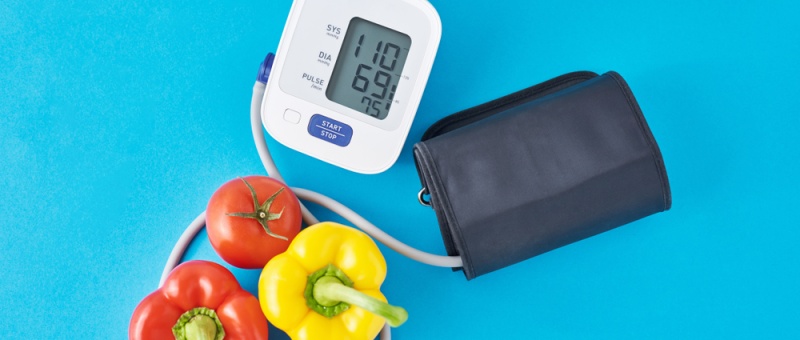
DASH diet - healthy eating that helps lower blood pressure
The DASH diet is a heart-healthy diet that lowers blood pressure and cholesterol. Far from being specialist, this eating plan can benefit many people - whether you're looking to improve poor heart health, manage a related condition, or protect yourself against future health problems.
by Lynn Stephen
Heart health and blood vessels
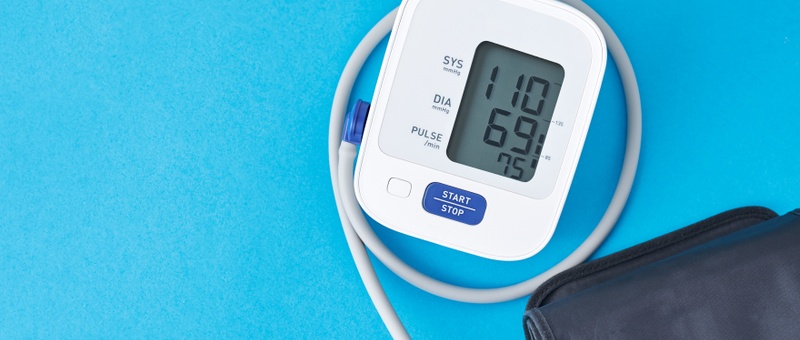
Blood pressure: understanding your readings
According to the British Heart Foundation (BHF), around 3 in 10 people in the UK have high blood pressure. High blood pressure often goes unnoticed, leaving 5 million adults in the UK unaware that they have it. Checking your blood pressure regularly and understanding your results is crucial for early diagnosis and treatment.
by Victoria Raw
Frequently asked questions
Can I still eat out or should I cook all my meals at home to manage my blood pressure?
The article focuses on incorporating heart-healthy foods into your diet and reducing processed foods. While cooking at home gives you more control over ingredients, you can still apply the principles of the DASH diet when eating out. Look for dishes rich in vegetables, lean proteins, and whole grains, and be mindful of portion sizes and high-sodium options.
How quickly can I expect to see results in my blood pressure from making these dietary changes?
The article mentions some specific foods, like beetroot juice, blueberries, and dark chocolate, showing results within weeks or months. For example, drinking 250 ml of beetroot juice daily for 4 weeks can significantly lower blood pressure. Consuming 200 grams of blueberries daily for one month can reduce systolic blood pressure by an average of 5 mmHg. A small square of dark chocolate daily for 8 weeks can also lead to a small drop in blood pressure.
Are there any specific foods I should completely avoid, other than those high in sodium, processed foods, and added sugars?
The article primarily advises cutting back on salt, sugary snacks, and processed foods. It does not list other specific food groups to completely avoid, but rather emphasizes incorporating whole, nutrient-rich foods that support cardiovascular health.
What if I have dietary restrictions or allergies that prevent me from eating some of the recommended foods?
The article provides a wide range of foods that help lower blood pressure. If you have restrictions, you can focus on other foods from the list that fit your dietary needs. For example, if you can't eat dairy, you can increase your intake of leafy greens, nuts, seeds, or legumes, which also provide important nutrients for blood pressure management.
Further reading and references
- Hamednia S, Shouhani Z, Tavakol S, et al; Effects of Avocado Products on Cardiovascular Risk Factors in Adults: A GRADE-Assessed Systematic Review and Meta-Analysis. Food Sci Nutr. 2025 Jul 2;13(7):e70547. doi: 10.1002/fsn3.70547. eCollection 2025 Jul.
- Rodriguez-Mateos et al; Circulating Anthocyanin Metabolites Mediate Vascular Benefits of Blueberries
- Tighe P, Duthie G, Vaughan N, et al; Effect of increased consumption of whole-grain foods on blood pressure and other cardiovascular risk markers in healthy middle-aged persons: a randomized controlled trial. Am J Clin Nutr. 2010 Oct;92(4):733-40. doi: 10.3945/ajcn.2010.29417. Epub 2010 Aug 4.
- Kapil V, Khambata RS, Robertson A, et al; Dietary nitrate provides sustained blood pressure lowering in hypertensive patients: a randomized, phase 2, double-blind, placebo-controlled study. Hypertension. 2015 Feb;65(2):320-7. doi: 10.1161/HYPERTENSIONAHA.114.04675. Epub 2014 Nov 24.
- Ma X, Zhang H, Jia J; The effect of garlic on the lowering of blood pressure in the patients with hypertension: an updated meta-analysis and trial sequential analysis. Asian Biomed (Res Rev News). 2025 Jul 28;19(3):131-140. doi: 10.2478/abm-2025-0016. eCollection 2025 Jun.
- Mohammadifard N, Salehi-Abargouei A, Salas-Salvado J, et al; The effect of tree nut, peanut, and soy nut consumption on blood pressure: a systematic review and meta-analysis of randomized controlled clinical trials. Am J Clin Nutr. 2015 May;101(5):966-82. doi: 10.3945/ajcn.114.091595. Epub 2015 Mar 25.
- Cabo J, Alonso R, Mata P; Omega-3 fatty acids and blood pressure. Br J Nutr. 2012 Jun;107 Suppl 2:S195-200. doi: 10.1017/S0007114512001584.
- Stadt & Layton; Modulation of blood pressure by dietary potassium and sodium
- Murcia-Lesmes et al; Association between tomato consumption and blood pressure in an older population at high cardiovascular risk
- Reyneke GL, Beck EJ, Lambert K, et al; The Effect of Non-Oil Seed Legume Intake on Blood Pressure: A Systematic Review and Meta-Analysis of Randomized Controlled Trials. Adv Nutr. 2023 Jul;14(4):637-651. doi: 10.1016/j.advnut.2023.04.002. Epub 2023 Apr 7.
- Soedamah-Muthu SS, Verberne LD, Ding EL, et al; Dairy consumption and incidence of hypertension: a dose-response meta-analysis of prospective cohort studies. Hypertension. 2012 Nov;60(5):1131-7. doi: 10.1161/HYPERTENSIONAHA.112.195206. Epub 2012 Sep 17.
- Muriuki EN, Celik B, Kuhnle GGC, et al; Association between leafy vegetable consumption and incidence of metabolic syndrome and its symptoms: a systematic review of prospective cohort and randomised control trials. Eur J Nutr. 2025 Jul 5;64(5):233. doi: 10.1007/s00394-025-03750-6.
- Quin et al; Nutrition-related health outcomes of sweet potato consumption
- Rezaei M, Akhavan N, Fathi F, et al; Effect of green tea supplementation on blood pressure in adults: a GRADE-assessed systematic review and dose-response meta-analysis of randomised controlled trials. Blood Press. 2025 Dec;34(1):2517122. doi: 10.1080/08037051.2025.2517122. Epub 2025 Jun 12.
- Rostami A, Khalili M, Haghighat N, et al; High-cocoa polyphenol-rich chocolate improves blood pressure in patients with diabetes and hypertension. ARYA Atheroscler. 2015 Jan;11(1):21-9.
About the authorView full bio
Authored by

Heather Ainsworth
SEO Manager
BA (Hons) Business and Marketing, IDM Cert DDM, MHFAider®
Heather is the SEO Manager at Patient and a trained Mental Health First Aider. She is also a regular health writer, covering a wide range of topics with a particular interest in mental wellbeing, women's health, and holistic health.
About the reviewerView full bio

Dr Colin Tidy, MRCGP
General Practitioner, Medical Author
MBBS, MRCGP, MRCP (Paediatrics), DCH
Dr Colin Tidy is an NHS Doctor, based in Oxfordshire.
Article history
Article also available in English, German, Spanish, French, Italian, Portuguese, Hindi, Hebrew, Arabic, and Swedish.
Next review due: 5 Dec 2028
5 Dec 2025 | Originally published
Authored by:
Heather AinsworthPeer reviewed by
Dr Colin Tidy, MRCGP
Join the conversation
Share your thoughts or experiences with others in our patient communities.

Ask, share, connect.
Browse discussions, ask questions, and share experiences across hundreds of health topics.

Feeling unwell?
Assess your symptoms online for free
Sign up to the Patient newsletter
Your weekly dose of clear, trustworthy health advice - written to help you feel informed, confident and in control.
By subscribing you accept our Privacy Policy. You can unsubscribe at any time. We never sell your data.