How to eat healthily on a tight budget
Peer reviewed by Dr Sarah JarvisAuthored by Gemma GrangeOriginally published 12 Nov 2018
Meets Patient’s editorial guidelines
- DownloadDownload
- Share
- Language
- Discussion
- Ask Patient
- Audio Version
- Add to preferred sources on Google
When you're busy trying to make ends meet, it can be all too easy to overlook a healthy diet. After all, products marketed as 'health foods' can often be pricey. But there are plenty of cheaper, just as nutritious, options out there for people who are watching their pennies.
Video picks for Healthy eatingVideo library
Saving money on food may take a little more planning than before. So don't be put off if you're finding yourself spending a little longer in the kitchen or supermarket. But when it comes to budgeting, a little extra effort can go a long way. The following tips may make hunting for bargains and planning nutritious meals a little easier:
Plan your supermarket shop
Shop around
While shopping around for a great deal can sometimes be useful, there are so now many discount supermarkets (such as Aldi and Lidl) that have everything for a reasonable price all in one place.
Patient.info's nutritionist Rose Constantine Smith says: "Although the packaging might be prettier in more expensive brands, often the content is pretty much the same. For example, chopped tomatoes are just as nutritious whether they are own brand or an independent."
However, she does caution to "check labels to see if the product is higher in sugar, salt and or fat" than another brand for certain foods.
Make a list
Going in armed with a shopping list is always a smart move. It can sometimes be impractical to plan out meals for the whole week, so instead why not make a list of some core ingredients that you can use multiple times for making several meals. Writing things down often means that you won't stray and start buying unnecessary items.
Look out for yellow stickers
Never be afraid to check out the reduced section of the supermarket. This food is still good-quality, and often heavily reduced, so take advantage of it while you can.
Constantine Smith says: "You will often find great cuts of meat and/or fish that may be about to go out of date but that you can freeze once home, ready for when you need it. You may also find things that have just got slightly damaged packaging but the contents are fine!"
Be your own chef
Home cooking can make a big difference to your budget. Learning to cook, whether you're just mastering the basics or trying more advanced dishes is one of life's most valuable skills, and can save you money in no time.
Recipe books such as Jack Monroe's 'Cooking on a Bootstrap' offer a range of recipes that are not only cheap, but are also aimed at all levels of cookery expertise. It may seem intimidating at first but there's a lot of help out there to get you enjoying the time you spend cooking in your kitchen. There are plenty of easy recipes out there to suit every schedule and skill level. If you have kids, it's also a great opportunity to get them involved as well.
Probably the best thing about home cooking is that you know exactly what is going into your food. Products such as tinned soup have been shown to contain much more salt than we realise, which could take you well over your RDA. Instead, why not try making your own soup? Combining fresh vegetables and (home-made) stock couldn't be easier and there are so many different flavour combinations to explore. That way you're able to monitor exactly what goes in, as well as how much you make, meaning it could even be cheaper in the long run.
Go meat-free?
I am a big meat eater, but I am very conscious of the cost associated with keeping a fridge stocked up with animal proteins. If you're happily living a meat-free lifestyle already then that's great, but if, like me, you'd rather not give it up, here are a couple of tips to keep your costs down:
Portion control
When you are able to, buy larger quantities of meat and divide them up for use at a later date. I often do this with beef mince as it's a lot cheaper in large amounts.
Cheaper cuts
Opt for cheaper cuts of meat and verse yourself in how to cook them. Pork belly strips and chicken thighs are often among these, but feel free to get experimental. Do be aware that some cheaper cuts are higher in saturated fats, which you should avoid eating in excess.
Pad it out
Stew, soups and pies often taste even more delicious if you reduce the amount of meat in them and bulk them out with vegetables. Add lentils or pulses to mince dishes, and winter vegetables like swede or parsnips, which will absorb the flavour of the gravy you're cooking them in, to slow-cooked stews.
Meat-free days
You don't need to eat meat every single day, even if you're a fan. Pescatarian/vegetarian/vegan foods are more readily available these days and there are so many recipes out there to try. Try cutting out meat for one day a week and see if you really miss it.
Make friends with the freezer
This was a great trick I picked up at university when I had to be really careful about how much money I was spending on food. Freezer food doesn't have to be all chicken dippers and potato waffles. Instead, it can be a very useful tool in storing some very healthy ingredients and meals.
Fruit and vegetables
Just because it's not from the fresh section of the supermarket, doesn't mean it's not good for you.
Constantine Smith says: "Frozen and tinned fruit and veg are often more nutritionally dense than the more expensive, fresh versions, as they are frozen or canned just after being harvested and therefore are at their most nutritious."
Not only do they last longer, they're also ready-prepared, so it saves you time. Try throwing in some frozen veg to your next pasta dish to pack it out and give it more colour.
Meal prepping
You may well be sick of hearing the words 'meal prep' by now (I know I am) but it's not just for wellness bloggers. It genuinely can be a very cost-effective way to make what is essentially your own ready meals.
When I cook I tend to make more than I need and pack out my meals with various vegetables and grains so that I can put several portions aside for another time. This is great if you need something which is quick but don't want to waste money on a ready meal.
Scraps
Vegetable stock is a core ingredient when it comes to cheap, healthy cooking, but can often be unnecessarily expensive in supermarkets. Save waste and money by saving your veggie scraps, freezing them and then boiling them down to make your own vegetable stock. The stock itself can also be frozen (either in bags or ice cube trays) so you've always got it fresh when you need it. And importantly, you'll know how much salt you've added to it.
Store cupboard saviours
Dried goods will help to enhance your meals and fill them with goodness. They are among the cheapest items available in the supermarket so it's best to take as much advantage of them as possible. Here are a few tips to make the most of your store cupboard:
Herbs and spices
Fresh herbs may have more flavour but they're a lot less practical. Filling your cupboard with a variety of dried herbs and spices will ensure that you will have great flavours for many meals to come without having to splash out. Ensure you have basil, oregano, paprika, rosemary, chilli flakes, garlic powder, salt and pepper to cover you for many meals.
Lentils, beans and pulses
If you're looking for a healthy way to make a meal go further, acquaint yourself with pulses.
Constantine Smith says: "Using lentils, beans and pulses in meat-based dishes is a great way to cut costs and add fibre, a nutrient many of us are lacking. Tinned chickpeas, butter beans, lentils and kidney beans are great, versatile ingredients that can be added to almost any dish to make it that bit more filling and that bit less expensive."
Dried pasta, rice and noodles
Pasta, rice and noodles, often thought of as 'student food', can certainly squeeze you out of some hungry situations. I'd say these are amongst the most important things to keep in your cupboards, as they're all incredibly versatile and have a long shelf life. Opt for the wholemeal versions of each of these foods as they're no more expensive than their white counterparts but provide you with far more fibre.
Patient picks for Healthy eating
Diet and nutrition
How to eat well when it's hard to shop and cook
Ultra-processed food - such as canned soup and ready meals - is an obvious go-to for people who struggle to shop and cook. But a new study finds it is associated with a higher risk of all-cause mortality. Can we avoid it?
by Ellie Broughton
Diet and nutrition
How to eat more vegetables without trying
Trying to eat more fruit and veg is a promise most of us make to ourselves on a regular basis. But it doesn't often feel like the easiest (or most appealing) undertaking. Luckily, we ask an expert how to sneakily up your tally.
by Natalie Healey

Diet and nutrition
The Reducetarian diet - how to eat less meat
If you're considering cutting back on meat - whether for health, environmental, or ethical reasons - the reducetarian approach is a good way to get started. It encourages gradual, sustainable reductions in animal product consumption, allowing you to make meaningful changes at your own pace. We spoke with Olympic cycling medallist and former world record holder Switch4Good founder Dotsie Bausch about her personal journey with eating less meat, and her practical tips for reducing your own intake.
by Victoria Raw
Diet and nutrition
How to eat more healthily during the colder months
We all know that eating a healthy, balanced diet is good for us, but as lockdown and the cold weather continue, the motivation to cook a healthy meal can waver. Add to that the temptation of staying cosy on the couch and ordering a takeaway, and who wants to cook anymore?
by Andrea Downey
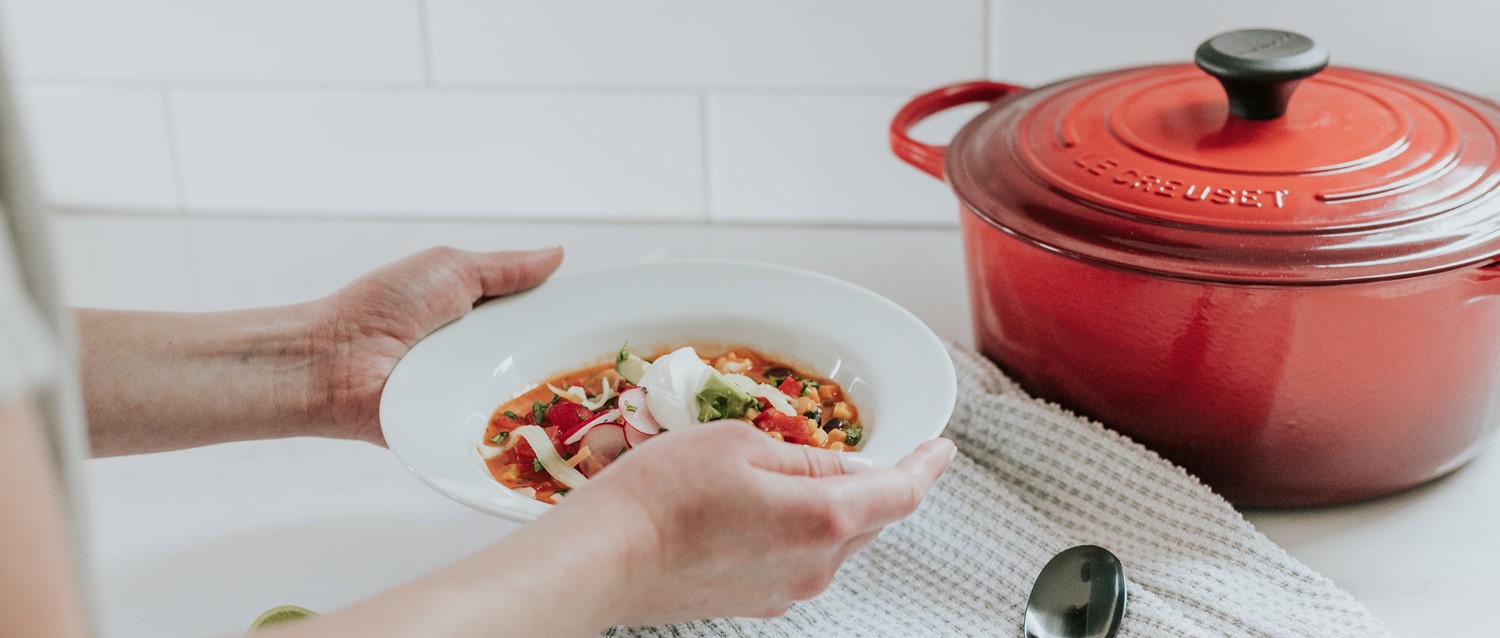
COVID-19
COVID-19 coronavirus: how to eat healthily from the cupboard and freezer
With new government guidelines telling us to minimise trips to buy food and other essentials as much as possible, getting out to buy fresh foods regularly will be a challenge. We look at the cupboard and freezer basics that will fill you up and provide plenty of nutrients.
by Sally Turner
Diet and nutrition
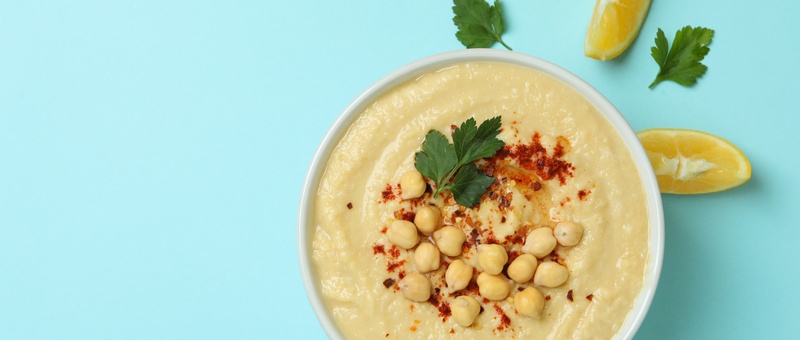
How to comfort eat healthily in winter
When the weather gets colder, many of us look forward to getting cosy indoors with hot and hearty winter comfort foods. However, if these aren't healthy, they can make us feel tired and sluggish when the days get shorter and darker. With some small changes, however, it's possible to create tasty, comforting meals that are good for you too.
by Victoria Raw
About the authorView full bio
Authored by

Gemma Grange
BA (Hons), MA
Gemma joined Patient in 2017 as their Content Producer and now works for blood cancer charity Anthony Nolan.
About the reviewerView full bio

Dr Sarah Jarvis
Clinical Consultant
MA (Cantab), BM, BCh (Oxon), DRCOG, FRCGP, MBE
After training in medicine at Cambridge and Oxford, Dr Sarah Jarvis MBE became a GP.
Article history
Article also available in English, German, Spanish, French, Italian, Portuguese, Hindi, Hebrew, Arabic, and Swedish.
12 Nov 2018 | Originally published
Authored by:
Gemma GrangePeer reviewed by
Dr Sarah Jarvis
Share your thoughts or experiences with others in our patient communities.
Sign up to the Patient newsletter
Your weekly dose of clear, trustworthy health advice - written to help you feel informed, confident and in control.
By subscribing you accept our Privacy Policy. You can unsubscribe at any time. We never sell your data.