
Hiatus hernia treatment options
Peer reviewed by Dr Hayley Willacy, FRCGP Authored by Dr Mary Harding, MRCGPOriginally published 20 Sept 2017
Meets Patient’s editorial guidelines
- DownloadDownload
- Share
- Language
- Discussion
- Ask Patient
- Audio Version
- Add to preferred sources on Google
Hiatus hernia is the term used to describe a condition where part of the stomach pushes up into the lower chest through a weakness in the diaphragm. The diaphragm is the large flat muscle that separates the lungs from the tummy (abdomen) and helps us to breathe.
Explore treatment options for acid reflux
Get expert healthcare advice from the comfort of home. Complete a quick online consultation, available 24/7, with your request reviewed by a UK-registered clinician. Next day delivery available on eligible treatments.

Video picks for General digestive healthVideo library
Not everyone with a hiatus hernia develops symptoms. However, if you have a hiatus hernia you are more prone to reflux acid into your gullet (oesophagus), which can cause heartburn and other symptoms. If symptoms do occur, there are some treatments which may help. You can compare treatment options below.
Frequently asked questions
What does the treatment involve? | |
|---|---|
No treatment | Some people have no symptoms from a hiatus hernia. If this is the case, no treatment is needed. |
Lifestyle changes | Lifestyle changes which improve symptoms of hiatus hernia include: Losing weight if overweight. Stopping smoking. Sleeping with the head of the bed raised. Avoiding excess alcohol. Avoiding tight clothing and corsets. Avoiding eating near bedtime. |
Antacids | These are tablets or liquid which neutralise the acid coming from the stomach, making it less uncomfortable. |
Medicines to stop stomach acid being produced | Two types of medicines are used to reduce the amount of acid the stomach makes: proton pump inhibitors - PPIs (eg, omeprazole, lansoprazole, esomeprazole) or H2-receptor antagonists. |
An operation | An operation tightens the valve at the top of the stomach, so that acid is prevented from passing back up into the gullet. This is usually done by wrapping a loop of the stomach around the lower part of the gullet. It can be done through a telescope (a laparoscopic approach) rather than using a large cut. |
How effective is it? | |
|---|---|
No treatment | Not effective for the hiatus hernia; however, if there are no symptoms this does not matter. |
Lifestyle changes | This may improve symptoms so that further treatments may not be needed. |
Antacids | These usually help temporarily; however, the effect does not last for long, so you may have to take them several times each day. |
Medicines to stop stomach acid being produced | PPIs are the most effective medical treatment for symptoms of hiatus hernia and usually work very well. These medicines do not cure the hiatus hernia, but they do help the symptoms. |
An operation | The operation is effective and cures the hiatus hernia as well as the symptoms. The operation is successful in 85-95 out of 100 cases, but depends on individual factors. The hernia can come back in 30-50 out of 100 successful operations, within five years, although it does depend on the type of hernia and on how big it is. In some centres up to half of operations done for hiatus hernias are repeat operations. |
Who is this treatment most appropriate for? | |
|---|---|
No treatment | For people with no symptoms. |
Lifestyle changes | For people who are overweight, or who smoke. For people who do not want to take long-term medicines. |
Antacids | For people with mild occasional symptoms. |
Medicines to stop stomach acid being produced | For people with troublesome symptoms of hiatus hernia. |
An operation | For people in whom the medicines have not worked, and who have persisting severe symptoms. For people who have troublesome symptoms and do not wish to take daily medicines for life. For people with the less common type of hiatus hernia (para-oesophageal hernia). |
What are the advantages of this treatment? | |
|---|---|
No treatment | No side-effects. |
Lifestyle changes | No side-effects. Promotes a healthy lifestyle and therefore has other advantages to health. May allow you to avoid taking medicines. |
Antacids | Medicines can be taken as needed rather than regularly. Antacids come in liquid form or as chewy tablets. There are very few side-effects. |
Medicines to stop stomach acid being produced | These are the most effective option other than an operation. They are usually taken daily but some people can take them as needed. |
An operation | This treats the problem itself (the hiatus hernia) rather than the symptoms (of acid reflux). You don’t have to take tablets every day. |
What are the disadvantages of this treatment? | |
|---|---|
No treatment | It is not suitable if symptoms are troublesome. Complications of acid reflux may develop if left untreated (eg, Barrett’s oesophagus). |
Lifestyle changes | It may not be effective on its own and medicines may still be needed. |
Antacids | They are not as effective as PPIs. You have to take them quite often, as the effect does not last for long. |
Medicines to stop stomach acid being produced | There may be side-effects of the medication. Common side-effects of PPIs include: tummy ache, constipation, diarrhoea, excess wind, feeling sick and headache. Overall, fewer than 5 in 100 people taking PPIs get side-effects. |
An operation | As with any operation, there are risks attached. Possible complications include problems with bloating and difficulty swallowing, bleeding, and problems with the anaesthetic. There is a small risk of very serious complications or even death. |
Patient picks for General digestive health
Digestive health
Hiatus hernia
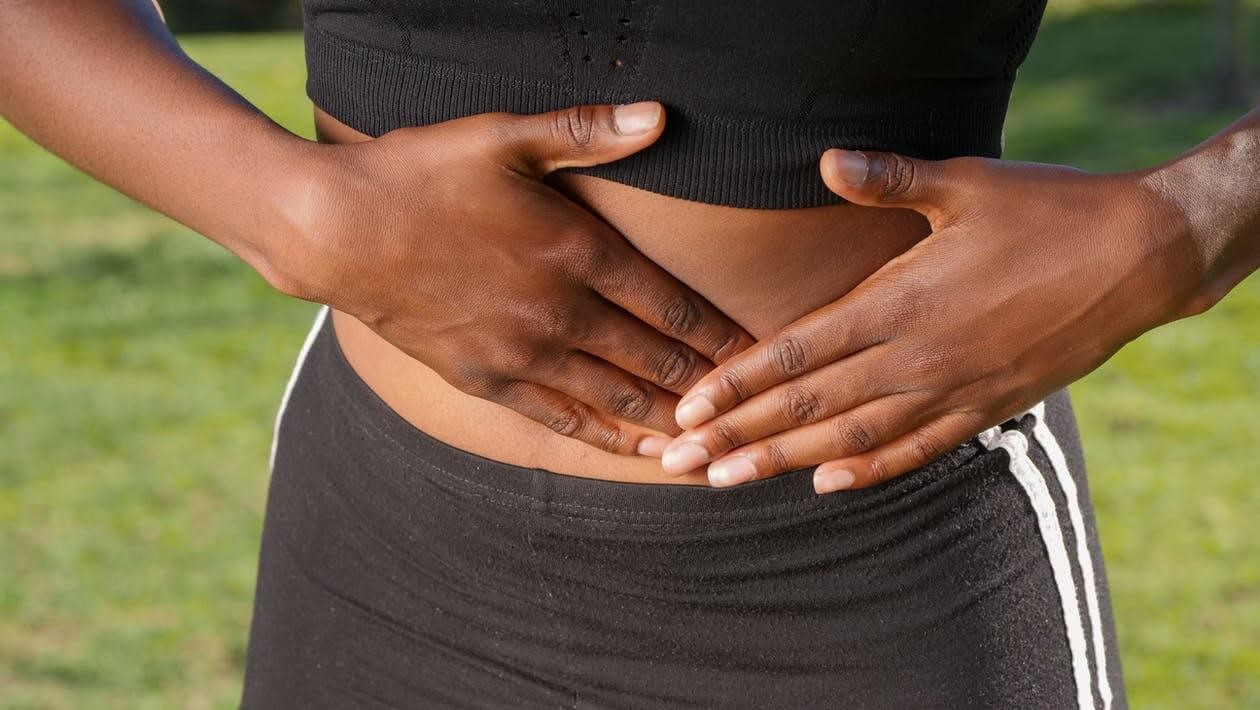
Hiatus hernia is the term used to describe a condition where part of the stomach pushes up into the lower chest through a weakness in the diaphragm. Not everyone with a hiatus hernia develops symptoms. However, if you have a hiatus hernia you are more prone to reflux acid into your gullet (oesophagus), which can cause heartburn and other symptoms. If symptoms do occur, treatment with acid-suppressing medication usually works well.
by Dr Colin Tidy, MRCGP

Digestive health
Hernia
A hernia occurs when an internal part of the body pushes through a weak spot in the surrounding muscle or tissue wall. This leaflet deals with abdominal hernias which occur when a weakness in the wall of the tummy (abdominal wall) results in some of the contents in the abdominal cavity bulging through. Some hernias need treating by performing an operation. There are now various different types of operation, which are usually very successful.
by Dr Toni Hazell, FRCGP
Treatment and medication
Osteopaths and chiropractors
Both chiropractors and osteopaths provide treatments for bone, joint and soft tissue problems.
by Dr Philippa Vincent, MRCGP
Treatment and medication
Complementary and alternative medicine
Complementary and alternative medicine (CAM) is used by many people. It can have a very good effect on improving well-being and may be helpful in relieving some symptoms. However, although there is some evidence from clinical studies that CAMs may work for certain symptoms, the evidence is not very strong and it is impossible to draw firm conclusions about the benefits of each treatment. It is very important to consider whether any CAM treatment may have side-effects. Again the side-effects of some CAM treatments, particularly some herbal remedies, are not as well known as for conventional medicines. In addition, choosing to use alternative medicine instead of medically recommended treatments can sometimes be dangerous.
by Dr Hayley Willacy, FRCGP

Treatment and medication
TENS machines
For some people with certain types of pain, a transcutaneous electrical nerve stimulation (TENS) machine is used as an alternative to painkilling medication.
by Dr Hayley Willacy, FRCGP

Digestive health
Piles (haemorrhoids) treatment options
Piles (haemorrhoids) are swellings that develop inside and around the back passage (anus). Symptoms range from temporary and mild, to persistent and painful. In many cases, piles are small and symptoms settle down without treatment.
by Dr Colin Tidy, MRCGP
About the authorView full bio
Authored by

Dr Mary Harding, MRCGP
General Practitioner, Medical Author
BA, MA, MB, BChir, MRCGP, DFFP
Dr Mary Harding qualified from Cambridge University medical school in 1989.
About the reviewerView full bio

Dr Hayley Willacy, FRCGP
General Practitioner, Medical Author
MBChB (1992), DRCOG, DFFP, MRCOG (Part 1) MRCGP (2007), DFSRH (2013), MSc - medical education (2020)
Dr Hayley Willacy was an NHS GP working in northwest England, who retired from clinical practice in 2022 after 30 years.
Article history
Article also available in English, German, Spanish, French, Italian, Portuguese, Hindi, Hebrew, Arabic, and Swedish.
20 Sept 2017 | Originally published
Authored by:
Dr Mary Harding, MRCGPPeer reviewed by
Dr Hayley Willacy, FRCGP
Share your thoughts or experiences with others in our patient communities.
Sign up to the Patient newsletter
Your weekly dose of clear, trustworthy health advice - written to help you feel informed, confident and in control.
By subscribing you accept our Privacy Policy. You can unsubscribe at any time. We never sell your data.