What to pack for a hospital stay
Peer reviewed by Dr Krishna Vakharia, MRCGPLast updated by Victoria RawLast updated 6 Jan 2025
Meets Patient’s editorial guidelines
- DownloadDownload
- Share
- Language
- Discussion
- Ask Patient
- Audio Version
- Add to preferred sources on Google
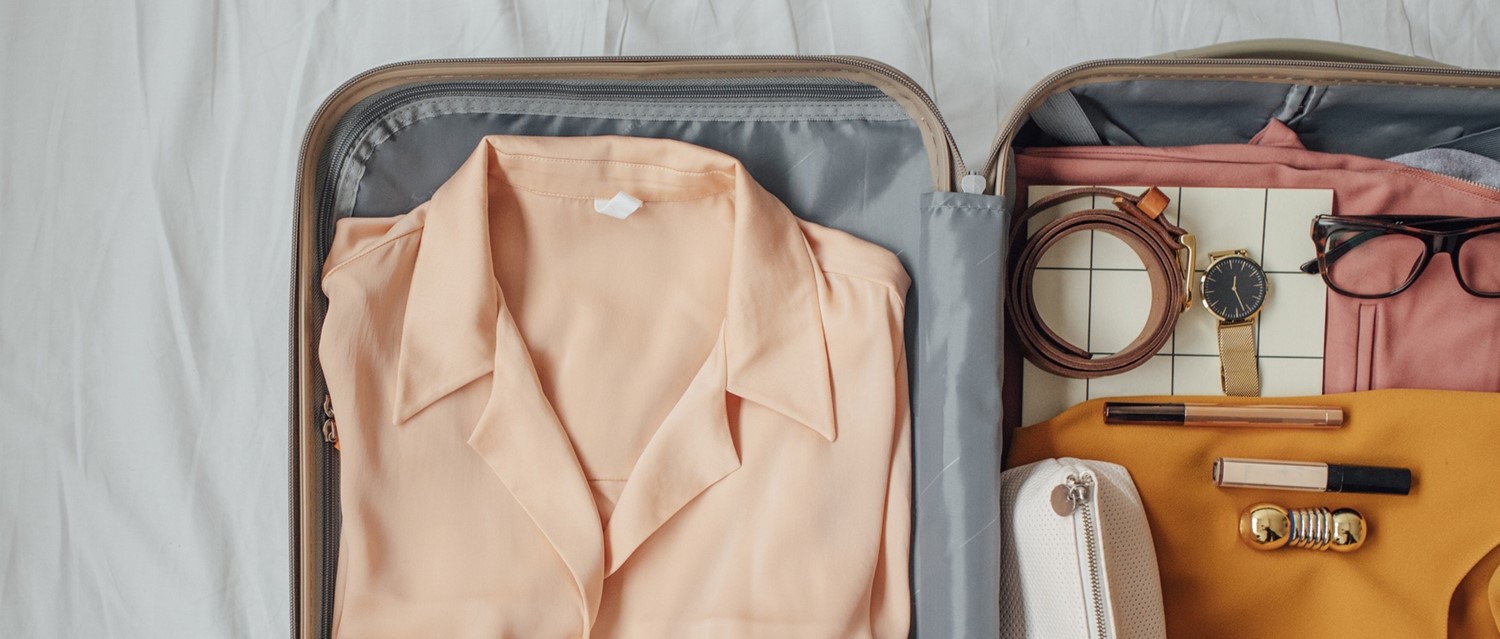
The thought of being in hospital can often feel overwhelming - even without the added dilemma of knowing what to take with you. We've put together a handy checklist of essential items to help you pack everything you need for a hospital stay.
Video picks for HealthcareVideo library
Whether you have an underlying condition - which means you're often visiting a ward - you're going to hospital unexpectedly, or someone close to you needs hospital care, it's a good idea to know what to pack.
Dr Deborah Lee, Dr Fox Online Pharmacy says: "Patients in hospital frequently have to be moved from one ward to another, and often in a hurry. When this happens, all your things will need to be moved with you, so you need to be packed up and transported quickly and easily. The key is to have as few belongings as possible."
When deciding what to take into hospital you should be selective. Only take things with you that you really need.
Lee explains some conditions may require a hospital visit at short notice, so it's better to be prepared.
"Some medical conditions happen suddenly, without warning. You could suddenly become drowsy, unable to communicate, or unconscious," she says. "You may have episodes of confusion, and when this happens, you cannot think clearly.
"You could be dealing with severe, acute allergic reactions - for example, a severe nut allergy. If you suddenly have life-threatening symptoms, such as facial or tongue swelling, wheezing and breathlessness, you will not be in a fit state to pack a bag."
Hospital bag checklist
Lee says when you're deciding what to take into hospital you need to be elective. Only take things with you that you really need.
Your checklist should include:
Medicine - and your repeat prescription list.
Personal care items including toiletries and sanitary items.
Your toothbrush and toothpaste.
Your glasses or contact lenses.
Contact details of your next of kin.
Night clothes, socks, and other clothing, including several changes of underwear.
Sleep mask and earplugs.
Mobile phone and charger.
Snacks and change for the vending machine.
Medicine - pack all your current medicines, including:
Inhalers.
Your contraceptive pill.
Any natural or herbal remedies you use.
List of your current medicines.
Repeat prescriptions.
A written list of any allergies.
Any medical-alert ID bracelets - or similar.
"The repeat prescription list from your doctor's surgery is helpful as it lists all the drugs you are taking, formulations, doses, and timings," she adds.
Apps such as Patient Access can help by keeping all your health information safely stored on your phone and easily accessible.
Personal care - look after your personal hygiene by packing toiletries and any other essentials.
This should include little bottles of:
Shampoo.
Conditioner.
Body wash.
Sponge or flannel.
It's a good idea to pack moisturiser.
Hairbrush or comb.
A nail file.
Box of tissues.
Here’s a list of other essential items:
Deodorant.
Tampons, sanitary pads and incontinence pads if needed.
Your glasses or contact lenses.
Toothbrush and toothpaste.
Denture supplies or mouthguard if needed.
Lee adds that you should also remove nail polish before going into hospital. But if you don't have time you could take nail polish remover with you.
Lee advises that you will want to be comfortable while in hospital so you should take a set of pyjamas or night wear that is easy to get on and off. A second spare set is also a good idea, plus slippers or socks so your feet don't get cold.
Hospitals are often bright and noisy places, so you may want to pack a sleep mask and earplugs so you can get a good night's rest.
And don't forget to pack several changes of underwear and a plastic bag to put your dirty ones in.
Hospitals are keen to get people out of bed and sitting up and dressed as soon as possible. This has been driven by the hugely successful End PJ Paralysis campaign, which highlighted how quickly older people in particular could lose muscle strength and mass when confined to bed.
So if you're going to be in hospital for more than a couple of days, you'll need more than one set of daytime clothes.
Other things to remember:
Credit card
"It's a good idea to leave your purse behind when you go into hospital," says Lee. "Instead take one credit or debit card in a small purse, for any transactions - for example, if you choose to pay for the TV by your bed."
Change
Lee adds: "Take a handful of change for the vending machines or hospital shop. You could take a few snacks - things that are non-perishable which you can keep by the bedside if you get peckish."
Charger
You'll also need your mobile phone charger so you can stay in contact with friends and family during your stay.
Planning for a baby
If you're going into hospital to have a baby you'll need some extra bits.
Lee's list of things to remember if you're going on to a maternity ward:
Baby bag - containing newborn nappies, baby wipes, baby grows or sleepsuits, cardigans, bibs, muslins, small baby blanket.
Breast pads.
Nursing bras.
Maximum-strength sanitary towels.
Baby car seat - you can't take your baby home without a suitable car seat which meets European safety standards and is correctly fitted.
Camera - and the charger.
Packing for someone else
If a hospital visit is unplanned, it's likely that the patient will need their bag packed for them.
"If you need to pack for someone else in a hurry, focus on the personal care and toiletry items listed above," says Lee. "This especially includes things like the toothbrush and some basic nightwear. The mobile phone, the charger and some small change are also handy.
"If you know the details of the person's doctor, bring those along. The staff will be able to contact the doctor's surgery and find out about medicine and allergies as is needed."
Nice-to-haves
The above lists are things that should be remembered when packing a hospital bag. However, there are a few other things that are nice to have but not essential.
This includes items to save you from boredom during your stay, such as magazines, books, Kindles, laptops and headphones for listening to music.
You may also want a pen and notepad, extra drinks and snacks, and your own pillow.
Patient picks for Healthcare

General health and lifestyle
What are the main causes of hospital admissions over Christmas?
While Christmas time brings a lot of joy and celebration, hospitals are under more pressure than ever at this time of year. Cold weather increases the risk of infectious diseases, respiratory illness, cardiovascular disease and cognitive conditions that affect the older population.
by Amberley Davis
Pregnancy
What to pack on your babymoon
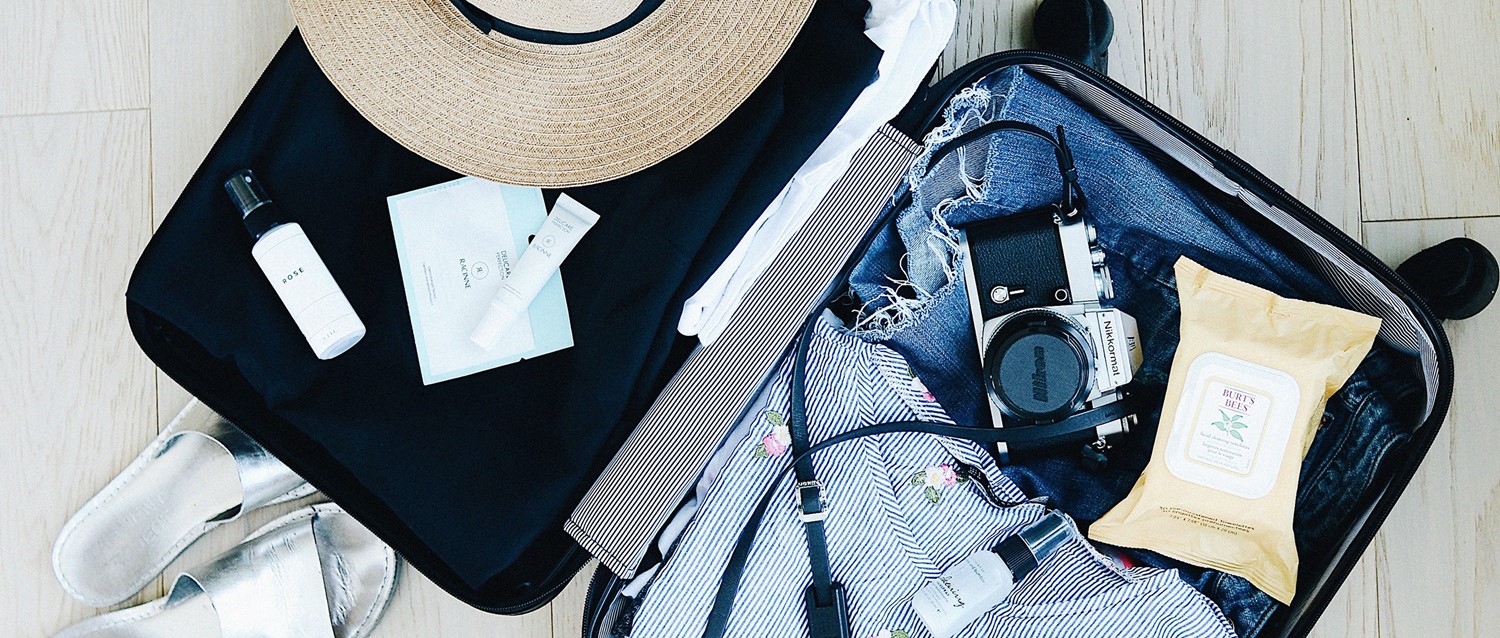
If you've just booked your 'babymoon' (ie the last holiday you take before the baby arrives), you probably have high expectations. More so than your average holiday, the babymoon is under pressure to deliver - after all, this might be your last child-free break in quite some time.
by Abi Millar

Travel and vaccinations
How to stay healthy on holiday
Nobody expects to get ill on holiday, but it does happen. Dr Sarah Jarvis has lost count of the medical miseries she's heard from patients that could have been avoided. Here she shares her top tips for healthy holidays - so that the only mementos you bring back from vacation are happy ones.
by Amberley Davis

Healthy living
Smoking cost calculator
Open the smoking cost calculator.
by Patient infomatics team

Ear, nose and throat
What should you eat if you have tonsillitis?
You've got tonsillitis and your throat feels like sandpaper. You feel nauseous and it is difficult to swallow, which is making eating - and wanting to eat - challenging. When you're not feeling well, however, it's important to keep your strength up. So, if you're wondering what to eat with tonsillitis, we've got you covered.
by Victoria Raw

Allergies, blood and immune system
Check pollen levels in your area
If you get hay fever, you probably don’t need reminding when pollen levels are high. You can feel it. The scratchy throat on the morning commute. The streaming eyes halfway through a meeting. The sudden need to check whether you packed antihistamines before leaving the house. Pollen levels shift quickly. They change with the weather, the season and where you are in the country. A warm, dry, breezy day in one region can mean something very different in another. That’s why we’ve created the Patient.info pollen map – to give you a clearer picture of what’s happening where you live. Open in a new window
by Thomas Andrew Porteus, MBCS
About the author
Updated by

Victoria Raw
Feature Writer
BA (Hons), English Literature
Victoria is a content writer at Patient, with special interests spanning mental wellbeing, societal trends, and the impact of technology on our health.
Throughout her career, Victoria has partnered with a range of charities such as Ovarian Cancer Action, Scleroderma and Raynaud's UK, St John Ambulance, Andy's Man Club, the RSPCA, and Barnardo's. Her work has seen her interview a variety of well-known personalities - among them actress Gaynor Faye, Sky Sports presenter Adam Smith, and comedian Alex Mitchell, exploring their experiences and stories.
Authored by

Andrea Downey
About the reviewerView full bio

Dr Krishna Vakharia, MRCGP
Chief Medical Officer for Health, Optum UK
MBChB, MRCGP(2013), BMedSci (hons), DFSRH, DRCOG, PGDipDerm (Distn)
Dr Krishna Vakharia is an NHS GP. She is also a regular examiner for the postgraduate Diploma in Practical Dermatology at Cardiff University as well as being the Chief Medical Officer for health at Optum UK.
Article history
Article also available in English, German, Spanish, French, Italian, Portuguese, Hindi, Hebrew, Arabic, and Swedish.
Next review due: 7 Jan 2028
6 Jan 2025 | Latest version
22 Jun 2020 | Originally published
Authored by:
Andrea Downey
Share your thoughts or experiences with others in our patient communities.
Sign up to the Patient newsletter
Your weekly dose of clear, trustworthy health advice - written to help you feel informed, confident and in control.
By subscribing you accept our Privacy Policy. You can unsubscribe at any time. We never sell your data.