
We ask a GP what to expect after vaccinations
Peer reviewed by Dr Sarah JarvisAuthored by Julian TurnerOriginally published 14 Mar 2019
Meets Patient’s editorial guidelines
- DownloadDownload
- Share
- Language
- Discussion
- Audio Version
- Add to preferred sources on Google
Vaccinations are a routine and highly effective way of protecting adults and children against an array of diseases, and complications or side effects are rare. We ask a GP for advice about what to expect after vaccinations.
Vaccinations act as curious punctuation marks along the timeline of our lives, from the routine baby jabs that begin at eight weeks, through to pre-school (three years and four months) and teenage (14 years) boosters, optional jabs that protect against chickenpox, tuberculosis, flu and hepatitis B, and specific vaccinations - to protect against rabies, for example - taken prior to travelling abroad.
They all work by introducing a small amount of dead/inactive/weakened bacterium or virus, or inactivated toxins, into the body. Sometimes the toxin or poison made by the bacterium or virus is given to the body. These methods are known as immunisation by a vaccine as opposed to immunity you get from your mother, for example.
The vaccine kick-starts the body's immune system and our white blood cells start working, helping the body make antibodies that act like soldiers to fight infections from a specific bacterium or virus.
Potential vaccination side effects in adults
In the majority of cases, side effects from vaccinations are mild and short-lived. Myalgia (muscle pain), headache, low-grade fever, tiredness and soreness at the injection site are not uncommon during the first five to ten days following the injection, and a small red swelling may also appear around the injection site.
Less common are reactions to the ingredients that carry the vaccine, such as egg protein or gelatine, so always be sure tell your nurse beforehand about any allergies before being vaccinated.
On very rare occasions, a severe allergic (anaphylactic) reaction may occur within a few minutes of the vaccination.
Are babies and young children more vulnerable to vaccination side effects?
In babies, fever is very common following the MenB (meningitis) vaccine, which is given, along with other routine injections, at two and four months, and indicates that the baby's body is responding to the vaccine (although not getting a fever doesn't mean it hasn't worked).
The vaccination nurse will give parents information about how and when to administer paracetamol to reduce the risk of fever, irritability and general discomfort, including pain at the site of the injection.
The MMR jab is made up of three different vaccines (measles, mumps and rubella) and each can cause reactions at different times. After six to ten days, the measles vaccine starts to work and may cause a fever, a measles-like rash, and loss of appetite.
Two to three weeks after the injection, the mumps vaccine may cause symptoms similar to, but milder than, mumps infection (fever and swollen glands) in some children. The rubella vaccine can cause a brief rash and possibly a slightly raised temperature, most commonly around 12 to 14 days after vaccination: a rash may also rarely occur up to six weeks later.
"No vaccine nowadays is likely to cause severe side effects," says GP Dr Clare Morrison. "In my experience, babies do sometimes develop some mild symptoms a week to 11 days after the MMR vaccine, including fever, loss of appetite, and sometimes a rash; however, this isn't usually anything to worry about.
"Following a study in 1998, there was some controversy about whether the MMR vaccine could cause autism and bowel disease. However, this theory has since been completely disproved and discredited, and subsequent studies over several years have found no link whatsoever."
Should some vaccinations be avoided?
It is important that the vaccine chosen by the doctor is suitable for the individual patient.
Some vaccines can be contra-indicated (cannot be given) to certain individuals for medical reasons. Precautions should also be taken with some vaccines for certain risk groups such as pregnant women, individuals aged 60 and older, or those with HIV or a weakened immune system.
Particular care needs to be taken with 'live vaccines' - those consisting of living but 'attenuated' micro-organisms, which promote immunity without being strong enough to cause disease.
"Those with weakened immune systems, such as patients on immune suppressing medication, are generally advised to avoid live vaccines,” advises Morrison. "Patients who have had bad reactions before are more likely to get side effects again, and in cases where an individual has displayed a true allergy to a certain vaccine - which is very rare - the vaccine should be avoided in future.
"Provided guidelines are followed, there should not be any long-term negative effects, even in the very young or very elderly."
What to do after a vaccination
If you have mild vaccination side effects , there are practical steps you can take to help you feel better, including drinking lots of fluids and/or applying a cool, wet washcloth on places where you are sore.
If your arm is sensitive after getting the shot, try moving it around to ease the pain and swelling; if you feel you need it, you can also take a pain reliever (children under 16 should never take aspirin).
"It's also absolutely fine to exercise after vaccination, provided you feel well," adds Morrison. "However, do avoid over-using or knocking the vaccinated arm, in case this makes it sorer.
"If the side effects seem severe and unusual, it's best to seek medical attention. Do so urgently if there is marked swelling, shortness of breath, wheezing, increased heart rate, or collapse."
Patient picks for Vaccinations

Infections
Do you need to worry about side effects from vaccines?
Like all medical treatments, vaccinations carry risks as well as benefits. But with scare stories abounding on social media, should you be concerned about possible side effects?
by Abi Millar
Infections
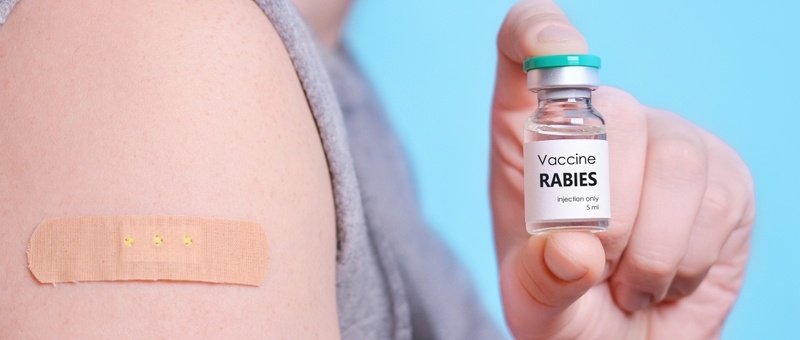
Everything you need to know about the rabies jab
If you are travelling overseas, travel vaccinations against some diseases are compulsory. There is, however, one disease which is usually fatal without prompt treatment and where a pre-travel vaccination is not compulsory: rabies.
by Glynis Kozma
Frequently asked questions
What is the difference between immunisation from a vaccine and immunity passed from a mother?
Immunisation through a vaccine works by introducing a small amount of dead, inactive, or weakened bacterium/virus, or inactivated toxins, into the body. This kick-starts the immune system to make antibodies. Immunity from a mother, however, is a different type of immunity, not induced by vaccines.
Are there any less common side effects to be aware of from vaccinations?
Less common reactions can occur due to ingredients that carry the vaccine, such as egg protein or gelatine. It's important to inform your nurse about any allergies before your vaccination. In very rare instances, a severe allergic reaction, known as anaphylaxis, might happen within minutes of receiving the vaccine.
What are 'live vaccines' and who should be cautious about them?
Live vaccines contain living but weakened micro-organisms that promote immunity without causing the disease. Individuals with weakened immune systems, such as those on immune-suppressing medication, are generally advised to avoid live vaccines. Careful consideration is also needed for risk groups like pregnant women, individuals aged 60 and older, or those with HIV.
Are there any long-term negative effects from vaccinations to be concerned about, even for very young or very old individuals?
No, provided that guidelines are followed, there should not be any long-term negative effects from vaccinations, even in very young children or elderly individuals.
When should I seek medical attention for vaccination side effects?
You should seek medical attention urgently if your side effects seem severe and unusual. This includes symptoms like marked swelling, shortness of breath, wheezing, an increased heart rate, or collapse.
About the authorView full bio
Authored by

Julian Turner
Freelance Journalist
Julian Turner is a freelance journalist and Editor of Compelo Energy.
About the reviewerView full bio

Dr Sarah Jarvis
Clinical Consultant
MA (Cantab), BM, BCh (Oxon), DRCOG, FRCGP, MBE
After training in medicine at Cambridge and Oxford, Dr Sarah Jarvis MBE became a GP.
Article history
Article also available in English, German, Spanish, French, Italian, Portuguese, Hindi, Hebrew, Arabic, and Swedish.
14 Mar 2019 | Originally published
Authored by:
Julian TurnerPeer reviewed by
Dr Sarah Jarvis
Join the conversation
Share your thoughts or experiences with others in our patient communities.

Ask, share, connect.
Browse discussions, ask questions, and share experiences across hundreds of health topics.

Feeling unwell?
Assess your symptoms online for free
Sign up to the Patient newsletter
Your weekly dose of clear, trustworthy health advice - written to help you feel informed, confident and in control.
By subscribing you accept our Privacy Policy. You can unsubscribe at any time. We never sell your data.