Rabies and rabies vaccine
Peer reviewed by Dr Colin Tidy, MRCGPLast updated by Dr Toni Hazell, FRCGPLast updated 10 Feb 2023
Meets Patient’s editorial guidelines
- DownloadDownload
- Share
- Language
- Discussion
- Ask Patient
- Audio Version
- Add to preferred sources on Google
In this series:Travel vaccinationsHepatitis A vaccineHepatitis B vaccineTick-borne encephalitis vaccineTyphoid vaccineYellow fever vaccine
Rabies is a very serious viral infection, which almost always causes death. It is passed to humans from bites or scratches from infected animals that carry the rabies virus - most commonly dogs but also other animals, including bats. There is no cure for rabies but there is a vaccine to prevent it. This can be given to people who are at risk of rabies.
At a glance
Rabies is a viral disease that is almost always fatal once symptoms develop.
Symptoms of rabies typically begin 3–12 weeks after an animal bite or scratch.
The UK is largely rabies-free, but the disease is present in most other countries worldwide.
A vaccine can prevent rabies, and it is very effective.
You may need the vaccine if you work with animals or travel to high-risk areas.
If bitten by a suspect animal abroad, wash the wound and seek medical care immediately.
Video picks for Travel vaccinationsVideo library
What is rabies?
Rabies is a disease caused by a virus. Almost everyone who develops rabies will die from it. Fortunately there is a vaccine to prevent it which is very effective.
Symptoms usually start 3-12 weeks after being bitten or scratched by an animal (usually a dog) carrying the rabies virus. However, symptoms may occur months or even years after a bite from an infected animal. The virus passes through the cut skin and travels (gradually) into the nervous system. After symptoms develop, most people die in less than two weeks.
Symptoms of rabies include:
Initially mild symptoms of infection with a virus - headache, a raised temperature, and feeling sick (nausea) and generally unwell.
A numb feeling in the skin around the area where the bite or scratch was.
Being very agitated and not being able to sleep.
Being very confused.
Frothing at the mouth and having difficulty swallowing.
A fear of water.
Fits (convulsions).
Muscle spasms.
Not being able to move certain muscles (paralysis). This eventually includes not being able to use breathing muscles and it is this inability to breathe which results in death.
At present, the UK is virtually free of rabies. The strict regulations for imported animals help to keep rabies out of the UK. Animals coming into the UK must have proof they are clear of and immune to rabies. In the UK in recent years a very few people have died from rabies which they contracted from animal bites whilst abroad. There is a small risk from rabies in bats in the UK but not from other animals.
However, rabies is present in most of the rest of the world. Worldwide, there are more than 60,000 human cases each year. India has the highest number of cases of rabies and is classed as a high-risk area. Dogs are the main carriers of rabies. Foxes, cats, bats, monkeys, raccoons and skunks can also be affected. A bite from any of these animals from any country outside the UK should be taken very seriously.People who should be immunised against rabies include those who work with animals, and people who travel to remote areas where medical help is not available. The vaccine can also prevent rabies infection after a high-risk bite. Treatment with an anti-serum and vaccine works well if you receive them soon after being bitten.
Who should have the rabies vaccine?
People who are at risk of infection through their work
In the UK, people whose work puts them at risk of rabies may be entitled to a free vaccination - this would usually be arranged by their employer through occupational health. This group may include:
Laboratory staff routinely working with rabies virus.
Workers at Defra-authorised quarantine premises and carriers.
Those who regularly handle bats, including on a voluntary basis.
Veterinary and technical staff who, by reason of their employment, encounter enhanced risk.
People travelling
In addition, people travelling to areas where there is a high risk of rabies may be advised to have the rabies vaccination before travel. This is not available on the NHS and must be paid for. This includes:
Travellers to parts of the world at risk of rabies where medical treatment may not be available. For example:
Animal control and wildlife workers, veterinary staff or zoologists who regularly work in areas where rabies is common.
Travellers to areas where rabies is common and care for those who come into contact with rabies is likely to be in short supply.
Travellers who are doing high-risk activities such as cycling or running.
Those who are going to be in an area in which rabies is common, for more than one month.
Where do I get the rabies vaccine?
Vaccines for travellers are available through GP surgeries, some pharmacies, and private travel clinics. Whether you need rabies vaccination will depend on:
Which country you are visiting, and in some cases which part of the country.
What you will be doing while you are there.
How long you are staying.
How old you are. (Children may be at higher risk, as they are more likely to pet stray animals.)
Who can the rabies vaccine be given to?
The rabies vaccine can be given:
As a precaution, to people who have not been bitten but who are at risk of a bite from an animal with rabies. This is called pre-exposure prophylaxis.
To people who have had a bite or scratch from an animal which might have rabies, to prevent them getting the rabies infection. This is called post-exposure prophylaxis.
Both. Even if you have had the rabies vaccine as a precaution, if you are then bitten, you may need further doses to make sure you do not develop the disease. However, if you have had the vaccine beforehand, you will not need so many injections after a bite. If you have had the vaccine beforehand, you also have better protection against the rabies virus. It is important that you see someone who is qualified to make the risk assessment and decide on the need for further treatment, as well as to manage the wound.
Where on the body is the rabies vaccine given?
The rabies vaccine is usually given in the muscle at the top of your arm but it can also be given in the thigh.
How many doses of the rabies vaccine are needed?
Pre-exposure rabies vaccine
Prior exposure to rabies usually requires three doses of vaccine. The first injection, a second injection seven days later and a third injection 28 days after the first injection. The vaccine is very effective - almost 100%. That is, it will stop nearly everybody who has had it getting rabies if they are bitten by an animal with rabies.
The vaccine stimulates your body to make proteins called antibodies against the rabies virus. These antibodies protect you from rabies should you become infected with this virus.
Booster doses may be required after one year and then every 3-5 years for people whose work gives them a risk of contact with the rabies virus. People who are at a smaller risk by travelling again into areas with rabies may need a booster after ten years.
If your work puts you at risk of rabies, you may need a blood test to confirm you are immune from rabies. This may need to be checked regularly and a booster dose of the vaccine given if the blood test shows you are not immune.
Post-exposure vaccination
If you have a bite or scratch from an animal thought to be at risk of rabies (or an animal known to have rabies), you will need a course of the rabies vaccine. This may be two or five further doses of the injection. How many doses you need depends on how high a risk of rabies you have. This will in turn depend on:
Which country you were in when you were bitten and how high the risk is there.
What is known about the animal which gave you the injury (for example, which species of animal, if it is known to have rabies, if it has had rabies vaccinations).
How bad the injury is and where it is.
Whether you have had the pre-exposure injections or not.
These injections are available on the NHS. You will have them over a week (2-injection course) or a month (5-injection course). If you have not previously had the pre-exposure rabies vaccines, you will also have an injection of a substance called human rabies-specific immunoglobulin (HRIG).
This will protect you from rabies for a short time, while you wait for your vaccine to start to work. HRIG is injected either into your wound, or into the muscle in your upper leg.
Who should not have the rabies vaccine?
If you have an illness causing a high temperature (fever) it is best to postpone vaccination until after the illness.
You should not have a booster if you have had a severe allergic reaction to this vaccine in the past.
You should not have a rabies vaccination if you have had a severe allergic reaction to one of the components in the vaccine in the past. (For example, it contains traces of an antibiotic called neomycin, so you should not have it if you are severely allergic to neomycin.)
If you are pregnant or breast-feeding you may still be advised to have the vaccine if the risk of exposure to rabies is high.
Are there any side-effects from the vaccine?
There may be slight redness and swelling in the arm for 1-2 days, where the injection was given. Occasionally there are other side-effects such as a mild raised temperature, muscle aches or feeling sick (nausea). These soon pass without leaving any problems. Severe reactions are extremely rare but can include the neurological condition Guillain-Barré syndrome.
What if I am bitten by a suspect animal?
You should avoid any contact with wild or domestic animals when travelling abroad. If you are bitten by an animal in an at-risk country then:
Wash the wound immediately with running water (and soap if possible) for at least five minutes.
Disinfectant and a simple dressing may be applied to the wound.
Seek medical care as soon as possible even if you have been previously immunised, as further treatment may be given to reduce the risk of infection.
You may need to have more doses of the vaccine. You may also need to have an injection of HRIG mentioned above. This will not usually be needed if you have already had a course of the vaccine, although if your immune system does not work properly (you are immunosuppressed) then you may need HRIG despite having had the vaccine.
Patient picks for Travel vaccinations
Infections
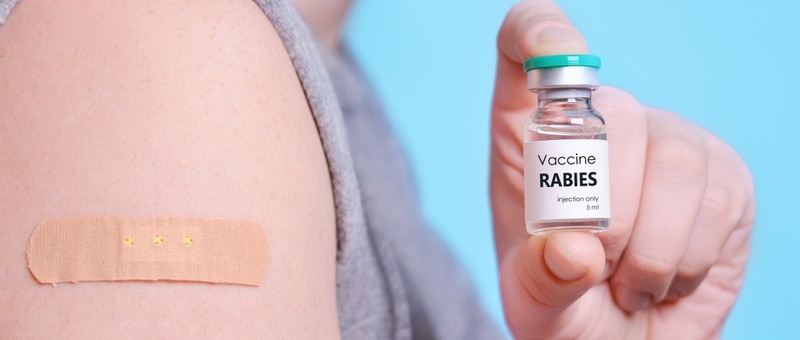
Everything you need to know about the rabies jab
If you are travelling overseas, travel vaccinations against some diseases are compulsory. There is, however, one disease which is usually fatal without prompt treatment and where a pre-travel vaccination is not compulsory: rabies.
by Glynis Kozma
Allergies, blood and immune system
Vaccines and egg allergies
Some types of vaccine are made using a process that involves chicken eggs or chicken embryos, and contain small amounts of egg protein. Egg allergy is one of the most common food allergies, especially in children. In the past, people with egg allergies have been told to avoid having any vaccines made with chicken eggs, due to concerns about safety. In many cases, research has since shown that these vaccines are safe for people with egg allergies, although some vaccines should still be avoided.
by Dr Doug McKechnie, MRCGP

COVID-19
Are we any closer to a coronavirus vaccine?
As the coronavirus pandemic continues, we're all waiting for a vaccine to help get life back to normal - but are we any closer to one?
by Andrea Downey

Brain and nerves
Causes of peripheral neuropathy: from diabetes to vaccines
Neuropathy - also called peripheral neuropathy - can affect anyone but is more likely to develop as your age increases. In the UK, almost one in 10 people aged over 55 years have it. There are many possible causes of peripheral neuropathy, ranging from the most common to the very rare.
by Amberley Davis

Tests and investigations
CT scan
Note: the information below is a general guide only. The arrangements, and the way tests are performed, may vary between different hospitals. Always follow the instructions given by your doctor or local hospital.
by Dr Rachel Hudson, MRCGP
Infections
6-in-1 vaccine
The 6-in-1 vaccine is part of routine childhood immunisations and protects babies against six different serious illnesses. Three doses are given. Further boosters without all six components are given at other times later in childhood and in adult life. The 6-in-1 vaccine used to be given as the 3-in-1 vaccine DTaP along with the polio vaccine which was given by mouth, but has gradually been extended so that it now protects against even more diseases. It is given in one single injection into the thigh from one single syringe. This leaflet explains when this vaccine is given and why. It also explains which components of the 6-in-1 vaccine are given later in the UK immunisation schedule as the 4-in-1, 3-in-1 etc.
by Dr Philippa Vincent, MRCGP
Frequently asked questions
Is the rabies vaccine a live vaccine?
The article does not specify if the rabies vaccine is live or inactivated. However, it mentions that the vaccine works by stimulating your body to make antibodies against the rabies virus, which protect you from the illness. It also states that in certain circumstances, if you are pregnant or breastfeeding, you may still be advised to have the vaccine if your risk of exposure to rabies is high.
Is there a cure for rabies?
There is no cure for rabies once symptoms develop. Almost everyone who develops rabies will die from it, most within two weeks of symptoms appearing. The focus is on prevention through vaccination and post-exposure treatment immediately after a potential exposure.
How long does it take for symptoms of rabies to appear after an animal bite?
Symptoms usually start 3-12 weeks after being bitten or scratched by an infected animal. However, in some cases, symptoms may not appear until months or even years after the bite, as the virus gradually travels into the nervous system.
What should I do if I am traveling and am bitten by an animal that might have rabies?
If you are bitten by an animal in an at-risk country, you should immediately wash the wound with running water (and soap if available) for at least five minutes. You can apply disinfectant and a simple dressing to the wound. Even if you have been previously immunised, it is crucial to seek medical care as soon as possible, as further treatment may be necessary to reduce the risk of infection.
Can I get rabies from animals other than dogs?
Yes, while dogs are the main carriers of rabies worldwide, other animals can also be affected and transmit the virus. These include foxes, cats, bats, monkeys, raccoons, and skunks. In the UK, there is a small risk from rabies in bats, but not from other animals.
Further reading and references
- Travelling if you have a medical condition; British Airways (includes downloadable MEDIF forms)
- Immunisation against infectious disease - the Green Book (latest edition); UK Health Security Agency.
- Travellers' Health; US Centers for Disease Control and Prevention
About the authorView full bio
Updated by

Dr Toni Hazell, FRCGP
MBBS, BSc, FRCGP, DFSRH, Dip GU med, DRCOG, DCH (London, UK, 2000)
Dr. Toni Hazell qualified from St. Mary’s Hospital Medical School and did her VTS at Northwick Park Hospital.
About the reviewerView full bio

Dr Colin Tidy, MRCGP
General Practitioner, Medical Author
MBBS, MRCGP, MRCP (Paediatrics), DCH
Dr Colin Tidy is an NHS Doctor, based in Oxfordshire.
Medical Professionals
Looking for more in-depth clinical detail? Our Professional Reference articles are written for doctors, nurses and other healthcare professionals. They include comprehensive clinical guidance, diagnostic information and UK/European evidence summaries. If you need the clinical version, you can read the Professional Reference article on this topic.
Share your thoughts or experiences with others in our patient communities.
Simple access to trusted treatments and health services online.
Common conditions
Get help with common conditions through the NHS, without a GP appointment.





Sign up to the Patient newsletter
Your weekly dose of clear, trustworthy health advice - written to help you feel informed, confident and in control.
By subscribing you accept our Privacy Policy. You can unsubscribe at any time. We never sell your data.