
Why you need to look after your pelvic floor
Peer reviewed by Dr Hayley Willacy, FRCGP Authored by Dr Sarah JarvisOriginally published 31 Oct 2017
Meets Patient’s editorial guidelines
- DownloadDownload
- Share
- Language
- Discussion
- Ask Patient
- Audio Version
- Add to preferred sources on Google
Ladies, let me introduce you to your pelvic floor. Tucked away between your legs, it keeps everything in place and stops that awful sensation of 'something dropping out'. Only sometimes, it doesn't - and that's when you need help
Video picks for Urinary tract infections and symptomsVideo library
Where is it?
Put your thumbs on your hip bones and reach your fingers backwards until they touch behind your spine (or as close as you can get). Now keep your thumbs on your hip bones and turn your fingers round to point in a forwards V at the front. That's the top of your pelvic bone. Inside your pelvis is your pelvic cavity, which holds your bladder, your womb and the end of your bowel. It's all held in place underneath by your pelvic floor, which holds it up against gravity.
What is it?
Your pelvic floor is shaped like a funnel and made up of muscles and tough connective tissue. If it is weakened, you can have stress incontinence and prolapse of your womb or back passage. We all know that childbirth can take its toll on your body - and many women have discovered to their cost that that includes an impact on their pelvic floor. But in fact, it's not just childbirth that can weaken these muscles. After the menopause, lack of the female hormone oestrogen means your body's tissue become less springy. That means the ring of muscle that keeps your bladder neck shut and stops you passing urine when you don't want to, is weakened.
What happens when things go wrong?
Stress incontinence is the most common form of incontinence. Millions of UK women - perhaps as many as 1 in 3 over-40s - suffer from urine leaks when they cough, sneeze, laugh, run or jump. Drugs don't work here - but there is still help available.
First, don't be embarrassed to see your doctor. They'll be keen to help, but they can't tell you what's available unless they know you have a problem. First step will almost certainly be pelvic floor exercises. Done in the right way several times a day, they may take a few months but they can often cure your problem. Ideally, get a referral to a specialist physiotherapist who can help you locate and work on your pelvic floor muscles. They can significantly help 7 or 8 out of 10 women.
Many women gain long-term relief from a vaginal pessary. There are several different options, all of which can be fitted in minutes and more of which stay in place for 6-12 months before changing.
Surgical solutions
If none of these does the trick, your doctor can refer you to a specialist to discuss surgery to lift and strengthen your pelvic floor. As with pessaries, there is a wide variety of surgical procedures. Many of them, however, involve inserting a vaginal mesh which (until recently) was popular with surgeons on the basis that it provided extra support and reduced the risk of prolapse returning. However, it's becoming increasingly clear that some women can experience serious complications if the mesh erodes through into nearby tissues, so some forms have been banned and others are only carried out under strict controls.
How can I help myself?
There are lots of other steps you can take to give your pelvic floor a hand:
Keep your weight down. Excess weight means extra fat in your tummy pushing down on your bladder and pelvic floor.
Keep it regular. Straining to open your bowels can weaken your pelvic floor, making you more prone to leaks. Up your intake of fibre and drink enough fluids.
Quit now! Smoking makes you cough and - you've guessed it - that puts more pressure on your pelvic floor by suddenly increasing the pressure inside your tummy cavity.
Make mine a small one. Alcohol is a diuretic, which increases the urge to pass urine and the risk of losing control.
Don't stint on the other drinks. Non-alcoholic fluid (including coffee and tea) helps keep you hydrated. Limiting your fluid for fear of accidents can actually make matters worse, as it reduces your bladder's ability to hold fluids.
Be prepared. If you do have stress incontinence, make sure you buy products that are designed for bladder leaks. Sanitary pads are great for periods but they're not designed for urine leaks that come all at once. Products for sensitive bladder are designed for all levels of leaks, and can keep you fresh and free from embarrassment.
Step it up. Regular exercise helps keep your weight down and strengthens all your muscle. But avoid jumping or 'stomach crunch' exercises, which cause sudden pressure on your pelvic floor.
With thanks to 'My Weekly' where this article was originally published.
Patient picks for Urinary tract infections and symptoms

Pregnancy
Can Pilates help strengthen your pelvic floor during pregnancy?
Pregnant women hear a lot about the importance of strengthening their pelvic floor muscles, particularly when it comes to labour and recovery post-birth. However, it can be tricky to know where these muscles are, what they do and how to make them stronger. Some studies suggest prenatal Pilates can be a good way to work out your pelvic floor. Here we look at why and what you can do.
by Lawrence Higgins

Women's health
How to look after your mental health during your menstrual cycle
Self-care is important at all times, but it could be even more valuable when you have your period. The impact that your menstrual cycle can have on your overall mental well-being is often underestimated, but there are steps you can take to manage your stress levels and reduce the chance of existing mental illnesses being exacerbated during your menstrual cycle.
by Emily Jane Bashforth

Hormones
Looking after your health during the menopause
The menopause is a normal part of life, but that doesn't mean it's an easy process. Not everyone gets hot flushes, night sweats and vaginal dryness, and some women breeze through this natural phase in their lives - but some of us need a little extra help.
by Lydia Smith

General health
AskPatient
AskPatient is a safer, clinically informed AI assistant designed to help you understand health information and find reliable guidance on Patient.info. Whether you have a symptom, want to understand a condition, or need help finding the right information, AskPatient can guide you to clear, trusted content written and reviewed by healthcare professionals. Start by typing your question below. Open in a new window
by Patient infomatics team
Cancer
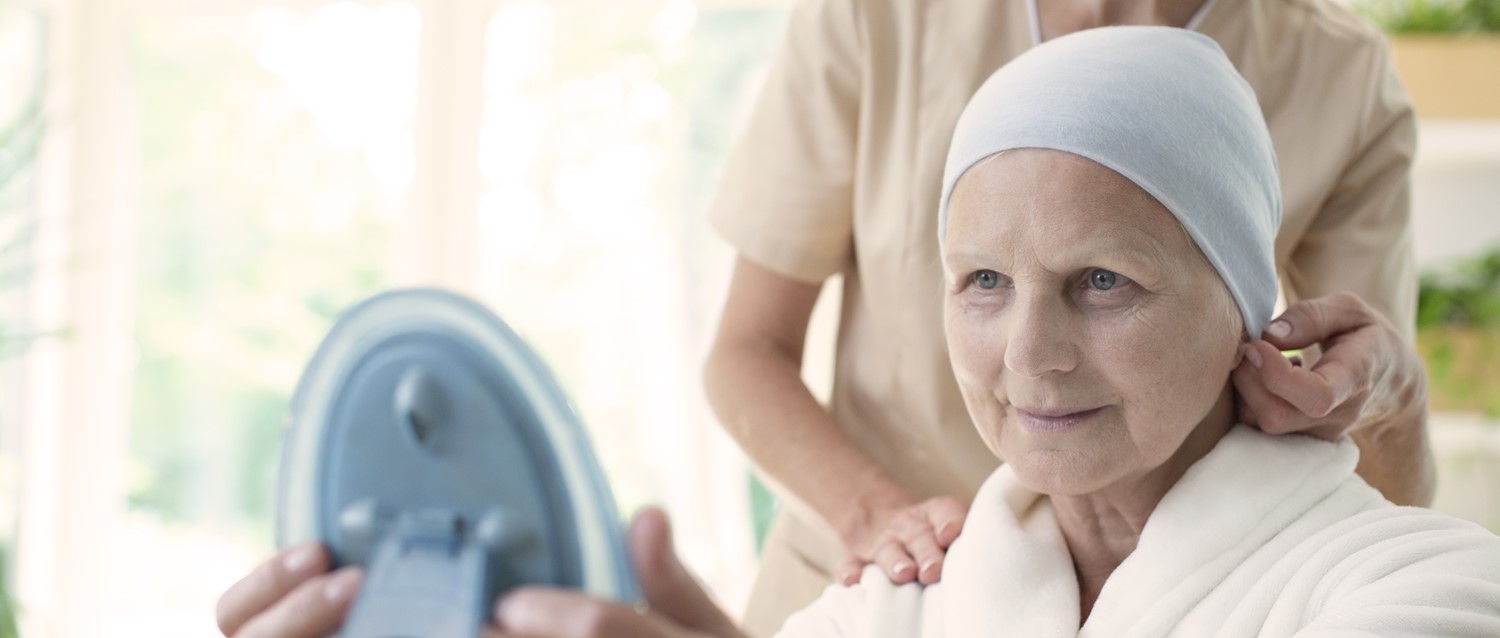
How to look after your hair during chemotherapy
When we think of chemotherapy, many of us will associate it with hair loss. Hair loss as a result of chemo can have a negative effect on a person’s mental health. Chemo can also affect hair in other ways too.
by Emily Jane Bashforth

Cancer
How to look after your skin during chemotherapy
Taking good care of your skin while undergoing chemotherapy is super important, since your skin will be more sensitive and prone to issues such as dryness, itchiness, redness, and blisters. While the side effects of chemo on the skin tend to go away once treatment comes to an end, you should be looking after your skin from the get go to prevent it from becoming more fragile.
by Emily Jane Bashforth
About the authorView full bio
Authored by

Dr Sarah Jarvis
Clinical Consultant
MA (Cantab), BM, BCh (Oxon), DRCOG, FRCGP, MBE
After training in medicine at Cambridge and Oxford, Dr Sarah Jarvis MBE became a GP.
About the reviewerView full bio

Dr Hayley Willacy, FRCGP
General Practitioner, Medical Author
MBChB (1992), DRCOG, DFFP, MRCOG (Part 1) MRCGP (2007), DFSRH (2013), MSc - medical education (2020)
Dr Hayley Willacy was an NHS GP working in northwest England, who retired from clinical practice in 2022 after 30 years.
Article history
Article also available in English, German, Spanish, French, Italian, Portuguese, Hindi, Hebrew, Arabic, and Swedish.
31 Oct 2017 | Originally published
Authored by:
Dr Sarah JarvisPeer reviewed by
Dr Hayley Willacy, FRCGP
Share your thoughts or experiences with others in our patient communities.
Sign up to the Patient newsletter
Your weekly dose of clear, trustworthy health advice - written to help you feel informed, confident and in control.
By subscribing you accept our Privacy Policy. You can unsubscribe at any time. We never sell your data.