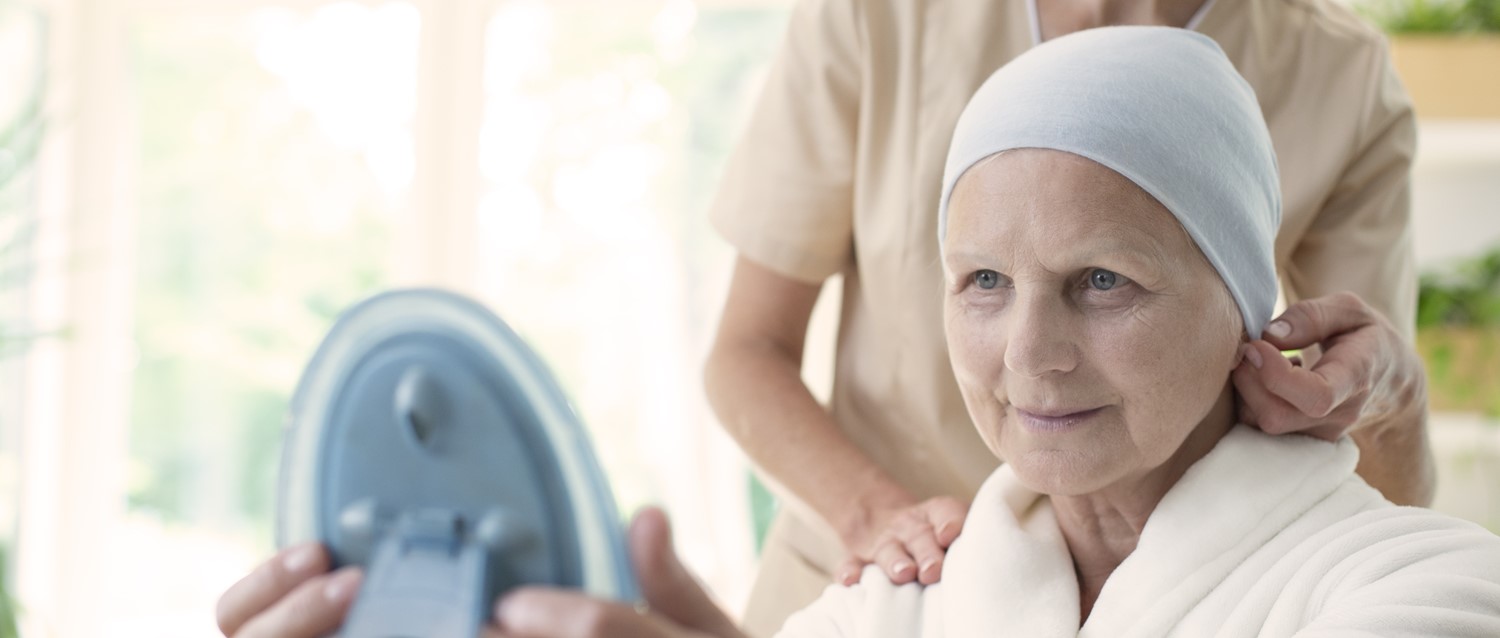
How to look after your hair during chemotherapy
Peer reviewed by Dr Krishna Vakharia, MRCGPAuthored by Emily Jane BashforthOriginally published 23 Nov 2022
Meets Patient’s editorial guidelines
- DownloadDownload
- Share
- Language
- Discussion
- Audio Version
- Add to preferred sources on Google
When we think of chemotherapy, many of us will associate it with hair loss. Hair loss as a result of chemo can have a negative effect on a person’s mental health. Chemo can also affect hair in other ways too.
How does chemotherapy affect hair?
Chemotherapy is a type of cancer drug treatment that can cause hair loss - this can be a really distressing time for a person.
Chemotherapy can lead to:
Complete hair loss (chemotherapy-induced alopecia).
Loss of patches of hair.
Hair thinning.
Not only can hair loss negatively impact someone’s mood, but it can also have a lasting effect on their self-esteem.
47% of female cancer patients have said they consider hair loss to be the most traumatic aspect of chemotherapy. 8% would even decline treatment out of fear of this side-effect.1
Plus, chemo doesn’t just cause hair loss on the head, it can also cause hair loss all over the body. It has been known for chemo patients to also lose:
Eyelashes.
Eyebrows.
Armpit hair.
Leg hair.
Pubic hair.
Beards.
Nose hairs.
The extent of their hair loss and thinning during chemo typically depends on the dosage, the type of drug used, and how a patient’s body reacts to it.
Why does chemotherapy cause hair loss?
"Chemotherapy destroys dividing cancer cells. The hair follicle has cells that are rapidly dividing for the hair growth cycle and so become targeted by chemotherapy as a consequence," says dermatologist Julie Van Onselen.
Hair loss and thinning can occur within 2-4 weeks of starting chemotherapy. Everyone's cancer treatment is different, so hair loss can happen quickly or gradually.
How to look after your hair during chemotherapy
Avoid using heat on your hair - this means not using curling irons, straighteners, or hot rollers - or inflicting chemical trauma on it.
Use your hairdryer on a cool setting.
Wash your hair twice a week only.
Use gentle shampoos and do not scrub your scalp too harshly with your fingernails - brands that sell mild shampoos and conditioners include Philip Kingsley, MooGoo, and Weleda.
Sleep with a satin pillowcase to avoid your hair being caught and pulled out in the night.
Brush with soft bristles.
Many people choose to cut their hair short during chemotherapy or even shave their heads completely. This might be because it looks more voluminous when shorter, or because it’s easier to manage when it's falling out. A lot of chemo patients also wear wigs or headscarves, which can be easier to secure with a shaved head.
If you do shave your head, you should moisturise it, apply a high SPF cream, and wear a hat when out in the sun.
Can you dye your hair during chemotherapy?
"It is best to avoid hair dye while undergoing chemotherapy, as this can cause chemical trauma," says Van Onselen.
CancerReseachUK adds that it is best not to use dyes or perms for around 6 months after finishing chemotherapy since hair is more fragile and susceptible to damage straight after finishing chemotherapy.
Perms are out too, due to the chemicals they contain.
Does hair always grow back after chemotherapy?
In most cases, hair will grow back after a patient's chemotherapy ends.
The length of time it takes for hair over the whole body to regrow varies from person to person, but Breastcancer.org offers a typical timeline for hair regrowth2:
3-4 weeks after chemotherapy ends: soft fuzz.
1 month to 6 weeks after: real hair starts to grow.
2-3 months after: around an inch of hair.
3-6 months: around 2–3 inches of hair.
12 months: 4-6 inches of hair.
Upon hair regrowth, it isn't uncommon to notice a difference in your hair. Perhaps the colour has changed, the texture might be different, or your hair could be curlier or straighter than it was before.
Can you prevent hair loss during chemotherapy?
There is currently no pharmaceutical drug intervention to prevent chemotherapy-induced hair loss. However, there are practices you can adopt to ensure you are looking after your hair during chemo, as well as scalp cooling - provided it is safe for you and approved by your treatment team.
Van Onselen adds that minoxidil - a common drug used for alopecia caused by male pattern hair loss - may help reduce the severity of hair loss, or shorten its duration. It is not used to prevent hair loss, though. However, due the nature of this medication, you should only use it if your doctor has advised it is safe.
Can scalp cooling help to prevent hair loss during chemotherapy?
One reason why a person might not lose hair during chemotherapy is scalp cooling.
What is scalp cooling?
The process of cooling the head can prevent or reduce the extent of hair loss during chemotherapy, but this isn't 100% guaranteed and some patients do still lose their hair despite scalp cooling.
In short, scalp cooling can reduce the blood flow to the scalp, stopping chemotherapy drugs from affecting your hair. This process is called vasoconstriction. Scalp cooling can also reduce biochemical activity, making hair follicles less susceptible to chemotherapy damage.
Different types of scalp cooling include a cold gel cap, which can be fitted and easily kept in place with Velcro. It should be changed every 20-40 minutes. Then there's a refrigerated cooling system, which pumps liquid coolant through a cap. A patient needs to sit next to the machine while this is happening.
Does scalp cooling work?
Macmillan explains that scalp cooling is only effective with certain chemo drugs, and it isn't always possible to know whether it'll work.
"Scalp cooling is not suitable during treatment for some types of cancer. Some hospitals do not have facilities for scalp cooling. Your doctor or chemotherapy nurse can tell you if it is available and suitable for you."
The scientific evidence surrounding success rates of scalp cooling varies, but it has been found to work best for anthracycline or taxeme treatment. The highest success rate is a cooling time of 90 minutes or more after infusion of chemotherapy. This had a 76% success rate.3
Scalp cooling does come with potential side effects, such as headaches, coldness, numbness, and claustrophobia.
Further reading
Patient picks for Information about cancer

Cancer
What not to say to someone with cancer
When a family member or friend is diagnosed with cancer, it can be hard to know what to say. Do we talk about the diagnosis? Or is it better to provide distraction during a difficult time? Whilst every cancer journey is as individual as the person affected, we speak to the experts about the best way to offer support.
by Gillian Harvey
Cancer
Less survivable cancers are more likely to have late diagnoses
The six less survivable cancers make up around half of all cancer deaths in the UK. However, these cancers are far more likely not to be diagnosed until they have reached later stages. Survival rates could significantly improve if there is more public awareness of symptoms and better diagnostic tools for GPs.
by Amberley Davis
About the authorView full bio
Authored by

Emily Jane Bashforth
Feature Writer
NCTJ
Emily is a Feature Writer with Patient, writing articles on a variety of topics relating to health and well-being.
About the reviewerView full bio

Dr Krishna Vakharia, MRCGP
Chief Medical Officer for Health, Optum UK
MBChB, MRCGP(2013), BMedSci (hons), DFSRH, DRCOG, PGDipDerm (Distn)
Dr Krishna Vakharia is an NHS GP. She is also a regular examiner for the postgraduate Diploma in Practical Dermatology at Cardiff University as well as being the Chief Medical Officer for health at Optum UK.
Article history
Article also available in English, German, Spanish, French, Italian, Portuguese, Hindi, Hebrew, Arabic, and Swedish.
23 Nov 2022 | Originally published
Authored by:
Emily Jane BashforthPeer reviewed by
Dr Krishna Vakharia, MRCGP
Join the conversation
Share your thoughts or experiences with others in our patient communities.

Ask, share, connect.
Browse discussions, ask questions, and share experiences across hundreds of health topics.

Feeling unwell?
Assess your symptoms online for free
Sign up to the Patient newsletter
Your weekly dose of clear, trustworthy health advice - written to help you feel informed, confident and in control.
By subscribing you accept our Privacy Policy. You can unsubscribe at any time. We never sell your data.