
The parental minefield
Conflicts, family secrets, unspoken stories, patterns of behaviour, strategies for better relationships.
Authored by Thomas Andrew Porteus, MBCSOriginally published 15 Mar 2026
Meets Patient’s editorial guidelines
- DownloadDownload
- Share
- Language
- Discussion
- Ask Patient
- Audio Version
- Add to preferred sources on Google
How often have you said something quite ordinary to a parent, or they’ve said something to you and suddenly the room feels like it’s about to explode? Welcome to the parental nightmare. It’s not just about conflict, it’s about what’s hidden underneath these relationships – family secrets, unspoken stories, patterns of behaviour passed from one generation to the next.
In this episode Clare and Aileen explore the complex, often lifelong, relationship we have with our parents and discuss practical strategies to help you navigate this important relationship.
Our relationships with parents can be complicated, whether they are close, distant, difficult, supportive or no longer part of our lives. And, as Clare and Aileen explore in this episode, the “parental minefield” doesn't necessarily disappear when we become adults – or even when a parent dies. The patterns and expectations formed in our earliest relationships can continue to influence us throughout life.
The parents we inherit – and the parents we become
There isn't one definition of a parent. We might have birth parents, adoptive parents, step-parents, grandparents who raised us or blended families. We also become part of the minefield when we become parents ourselves.
Clare and Aileen discuss how patterns learned in childhood can emerge almost automatically in adulthood. Sometimes we can hear our own parents' voices coming out of our mouths, particularly when we're stressed or trying to manage our own children. Changing these patterns isn't simply about doing the opposite of what our parents did; it can mean slowing down, noticing what is happening and consciously creating something different.
When family history becomes part of the present
Families can carry stories, secrets, expectations and unresolved experiences across generations. Some of these may be obvious, while others remain hidden until something brings them to the surface.
The episode explores how parents' own experiences – including migration, hardship and trauma – can influence the ways they parent, sometimes without anyone fully understanding why. Recognising this context doesn't erase the impact of difficult experiences, but it can help us look at family relationships with greater curiosity.
You don't have to repeat the pattern
One of the episode's recurring themes is that patterns aren't necessarily fixed. We can become more aware of what we have inherited and decide what we want to carry forward.
For parents, that can mean recognising the difference between building resilience in a child and expecting them to become the person we want them to be. For adults dealing with their own parents, it can mean recognising that everyone changes – including parents and adult children.
When children become adults
Parent-child relationships don't stay the same. As children grow up, the roles that once made sense can become outdated. A parent may continue treating their adult child as though they are seven, while an adult child can continue slipping into the role they occupied as a teenager.
Clare and Aileen suggest that simply noticing these dynamics can make a difference. When several generations are together, it can be useful to pause and ask: What am I playing out here? Sometimes taking a little space – even going for a walk – can help break an automatic reaction.
Caring for ageing parents
The roles can change again as parents get older and begin to need more support. What was once a parent caring for a child can become an adult child caring for a parent.
This can be particularly challenging for people in the “sandwich generation”, who may find themselves caring for their own children while also supporting ageing parents. The episode explores the importance of adapting to these changing circumstances rather than remaining stuck in old family roles.
Boundaries, forgiveness and acceptance
There isn't a single solution to difficult parental relationships. Clare and Aileen talk about boundaries, acceptance, forgiveness and the possibility of grieving the parent we wished we had.
Forgiveness doesn't necessarily need to happen immediately. Sometimes there is work to do first – including recognising the impact of what happened and understanding what it cost us. And boundaries can change over time as our circumstances and relationships change.
The conversation also explores the idea of letting parents be who they are without allowing their behaviour or beliefs to define us. As Clare puts it, we can allow them to be themselves while continuing to do our own work and look after ourselves.
Finding new ways to connect
Sometimes improving a parental relationship isn't about having another difficult conversation. Shared activities can provide another way of connecting.
Aileen describes exercising regularly with her parents during the pandemic, and how creating a shared routine gave them an opportunity to spend time together differently. Clare suggests that regular shared activities – whether weekly, monthly or occasionally – can help rebuild relationships where there have been distance or ruptures.
Ultimately, the parental minefield is something many of us navigate. Whether our relationship with our parents is loving, complicated, estranged or grieving, the episode encourages us to approach ourselves with compassion – and to remember that our parents don't have to be the people who solve everything for us.
Patient picks for The Sex and Relationships Podcast
Video
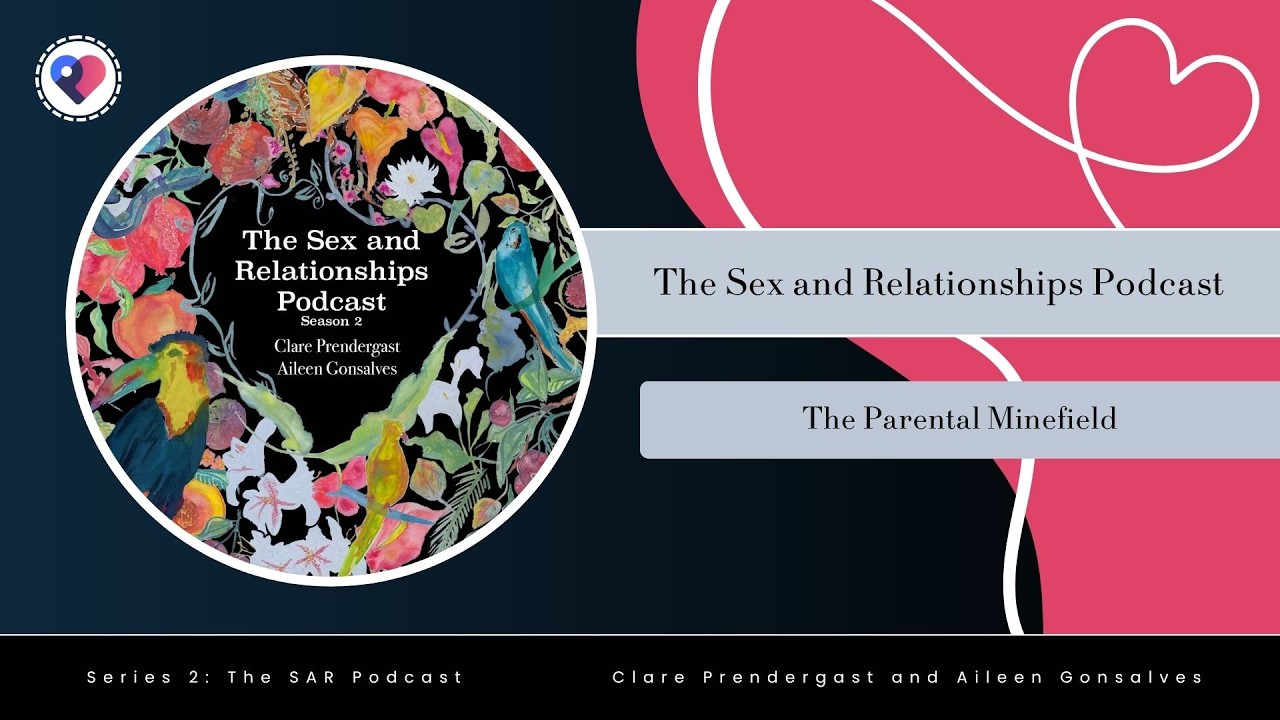
The Parental Minefield I The Sex and Relationships Podcast I S2E7
How often have you said something quite ordinary to a parent, or they’ve said something to you and suddenly the room feels like it’s about to explode? Welcome to the parental nightmare. It’s not just about conflict, it’s about what’s hidden underneath these relationships – family secrets, unspoken stories, patterns of behaviour passed from one generation to the next. In this episode Clare and Aileen explore the complex, often lifelong relationship we have with our parents and discuss practical strategies to help you navigate this important relationship. Dip into some of the things Clare and Aileen chat about in this episode: 02:34 The shifting nature of parental relationships throughout our lives 09:51 So much is hidden in relationships between children and their parents 15:22 Not everyone wants to be a parent 18”51 Unrequited parental love and the roles we play 25:32 Parenting our parents 38:32 You are not alone Want to know more? Visit our website The Sex and Relationships Podcast for more information on the issues discussed in this episode: [https://thesexandrelationshipspodcast.com/](https://thesexandrelationshipspodcast.com/) You can also Ask Clare a question or suggest a topic for future episodes. Instagram: [https://www.instagram.com/s3x_and_relationships_podcast/profilecard/?igsh=MXIza3BxeWg3OTJxOA%3D%3D](https://www.instagram.com/s3x_and_relationships_podcast/profilecard/?igsh=MXIza3BxeWg3OTJxOA%3D%3D) Facebook: [https://www.facebook.com/people/The-Sex-and-Relationships-Podcast-With-Therapists-Clare-Janet/61558082319934/](https://www.facebook.com/people/The-Sex-and-Relationships-Podcast-With-Therapists-Clare-Janet/61558082319934/) About the Sex and Relationships Podcast This podcast is for anyone looking for information or help with their sex lives or relationships. In this season your hosts Clare Prendergast and Aileen Gonsalves deep dive into the world of relationships to give you insights, advice and top tips to help guide you through your relationships. Your hosts Clare Prendergast is a sex and relationships therapist and draws on her knowledge and years of experience in the therapy room to give you help and guidance. Aileen Gonsalves is fascinated in human behaviour and drawing on her many years in the theatre has developed the unique Gonsalves Method which helps people be more present and develop authentic connections with those around them.

Healthy living
LGBTQ+ people share their personal conversion therapy stories
It's still legal for LGBTQ+ people in the UK to be subjected to conversion therapy, a harmful practice, which aims to suppress or 'cure' people's sexual orientation and/or gender identity. While many of us may be aware of the existence of conversion therapy, much of it happens underground. Therefore, we might not fully understand how it truly affects LGBTQ+ people in the long term.
by Emily Jane Bashforth

Treatment and medication
What is transactional analysis therapy?
Talking therapy might be a catch-all term, but there are a huge number of different types. Transactional analysis is a form of modern psychology and therapy that explores a person's relationships and how they communicate with and interact with others. But what exactly does it entail - and who might benefit from it?
by Lydia Smith

Mental health
Parental burnout: your guide to understanding and overcoming it
Parenting is often one of life’s most rewarding roles - but it’s also one of the toughest. Caring for another human being, whether a toddler or a teenager, demands a constant supply of time, energy, and emotional strength. The joy is real, but so are the challenges. With insights from a psychotherapist, we share tips on recognising parental burnout - along with some practical steps to address and prevent it.
by Victoria Raw

Treatment and medication
How to choose a therapist
Talking therapy is growing in popularity. We're getting more comfortable admitting that we're seeing a therapist or counsellor and more of us are seeking out support for our mental health. If you're looking to take the first step to find talking therapy, where should you start looking?
by Milly Evans

Treatment and medication
What is psychodynamic therapy?
If you're thinking of trying therapy, the number of different types can seem overwhelming. Although therapy is a catch-all term, approaches and styles can differ considerably - and the kind you may benefit from can depend on lots of factors. This series will look at the various options, so you can find the therapy suitable for you.
by Lydia Smith
About the authorView full bio
Authored by

Thomas Andrew Porteus, MBCS
HealthTech
MBCS
Thomas writes to inform, inspire, and equip practice leaders and health professionals navigating change, drawing on two decades of hands-on work across the UK health system.
Share your thoughts or experiences with others in our patient communities.
Sign up to the Patient newsletter
Your weekly dose of clear, trustworthy health advice - written to help you feel informed, confident and in control.
By subscribing you accept our Privacy Policy. You can unsubscribe at any time. We never sell your data.