Video: Hip replacement recovery exercises
Peer reviewed by Dr Sarah JarvisAuthored by Lilly Sabri, MHPCOriginally published 15 Dec 2017
Meets Patient’s editorial guidelines
- DownloadDownload
- Share
- Language
- Discussion
- Ask Patient
- Audio Version
- Add to preferred sources on Google
There are different types of hip replacement surgery depending on the injury, the severity of the injury and the surgeon performing the procedure. This leaflet is to be used only a guideline once you have discussed and confirmed with your surgeon and medical team that the exercises below are appropriate for you following your surgery.
Video picks for Surgery and proceduresVideo library
The following exercises are recommended to help reduce swelling and pain, increase range of movement and strengthen the muscles around the hip joint and prevent future problems.
Playlist: Hip Replacement Recovery Exercises
5 videos
Hip Replacement Recovery - Range of Movements
Lilly Sabri, MHPC
Hip Replacement Recovery - Range of Movements
Lilly Sabri, MHPC

Hip Replacement: Hip Flexion with Lilly Sabri | Patient Physio
Lilly Sabri, MHPC

Hip Replacement: Isometric Exercise with Lilly Sabri | Patient Physio
Lilly Sabri, MHPC

Hip Replacement: Inner Range Quadriceps with Lilly Sabri | Patient Physio
Lilly Sabri, MHPC

Hip Replacement: Advanced Strengthening with Lilly Sabri | Patient Physio
Lilly Sabri, MHPC
Range of movement exercises
Please remember that these exercises can only be completed once cleared with your surgeon and medical team
.
Hip and knee flexion sitting on the floor
Sitting with your legs straight out in front of you, support your back if necessary.
Place a plastic bag under the heel and slide it towards your bottom, using your hands for support if necessary.
Slow and controlled, straighten leg back out to the starting position.
Repeat 10 times on each affected knee, twice daily.
Hip flexion/extension/abduction
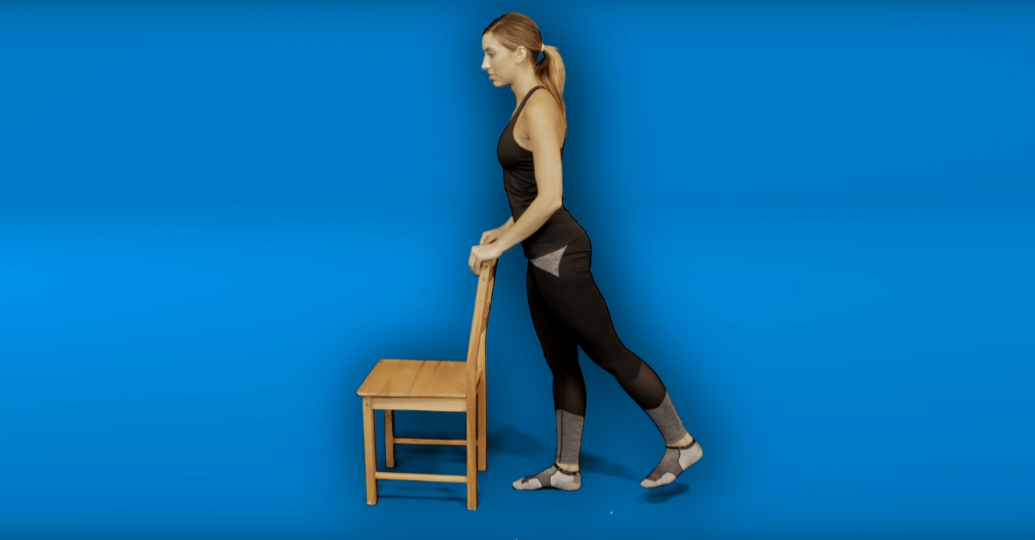
In a standing position, support yourself by holding on to the back of a chair.
Flexion: stand sideways on to the chair and swing your leg forward, with the toes facing up towards the ceiling. Return the leg back to the start position.
Extension: stand facing towards the chair and, with a flexed foot, swing the leg behind you and return back to the start position.
Abduction: stand facing the chair and, with a flexed foot, lift the leg out to your side and back down.
Complete all exercises 10 times, twice daily.
Stretches for the muscles of the hip joint
Please remember that these exercises can only be completed once cleared with your surgeon and medical team
.
Quad stretch
Stand with your hands supported on the back of a chair.
Bend one knee and bring your foot towards your bottom.
Hook your hand around your ankle and pull the ankle closer towards the bottom to feel a stretch in the thigh muscle at the front of the leg.
Be sure to keep the knees touching.
Hold the stretch for 20 seconds; repeat three times on each side, twice daily.
Hip flexor stretch.
To simplify, either hold on to your trouser legs or place a towel or band around the ankle. This can also be completed lying on your side with the operated leg up.
Hamstring stretch
Sit upright in a chair with both your knees bent.
Straighten the operated leg as much as possible and flex your foot - toes to the sky
Take your body weight forward - DO NOT PASS 90° at the hip.
Strengthening for the hip muscles
Please remember that these exercises can only be completed once cleared with your surgeon and medical team
.
Isometric quads
This a simple but very effective exercise for people with very week quads (particularly after surgery).
Sitting on the floor, support your back and position your legs straight in front of you.
Start by pushing one knee down into the ground, feeling the quad (thigh) muscle activate.
Hold for 10 seconds and repeat 10 times on each leg, twice daily.
Inner range quads
Start sitting on the floor, support your back and position your legs straight in front of you.
Place a rolled-up hand towel underneath one knee.
Point your foot to the ceiling before pushing your knee down into the towel. You should feel your heel lift off the floor.
Hold for 10 seconds and repeat 10 times on each leg, twice daily.
Straight leg raise
A progression form the exercises above.
Sitting on the floor, support your back and position your legs straight in front of you.
Turn your foot outwards, push your knee down into the floor before lifting your leg off the ground 4-6 inches.
Hold for 10 seconds and repeat 10 times on each leg, twice daily.
Sit to stand
Start sitting on a chair.
Without using your hands for support, stand up from the chair and then sit back down again in a slow and controlled movement.
Complete this exercise 20 times.
As you improve, increase the number of repetitions gradually up to 50; you can also try this exercise from a lower chair.
Wall squat
Stand with your back to the wall.
Place your feet shoulder distance apart and away from the wall.
Slowly slide your hands down the wall as you lower your body into a squat position.
Do not allow the knees to buckle in by keeping the knees directly over the middle toes.
Hold for 10 seconds and repeat 10 times, twice daily.
If you do not have access to a wall, you can complete a standing squat, ensuring your knees stay in line with your middle toes, your weight is distributed back through your heels and your chest remains proud and open. If you get an increase in hip pain, you should stop and seek professional advice.
Static glutes
Sit on a chair with your back supported.
Clench your bottom muscles together and hold for 10 seconds. Repeat 10 times, twice daily.
Bridge
Lie on your back with your knees bent.
With your arms relaxed down by the side of your body, push through your feet and lift your pelvis upwards off the floor; in a slow and controlled movement, lower it back down. Make sure you feel your bottom muscles active as you lift your pelvis, by squeezing them together.
Complete this exercise 20 times, twice daily.
Patient picks for Surgery and procedures

Health and wellness video library
Hip pain and exercises videos
Hip pain doesn’t just hurt—it interrupts your day, your sleep, and your peace of mind. Our hip pain video hub is designed to help you understand the most common causes of hip pain and, more importantly, what you can do about it. With easy-to-follow, guided exercise videos and professional advice, you’ll learn how to manage discomfort, improve mobility, and get back to doing the things you love.
by Victoria Raw
Healthy living
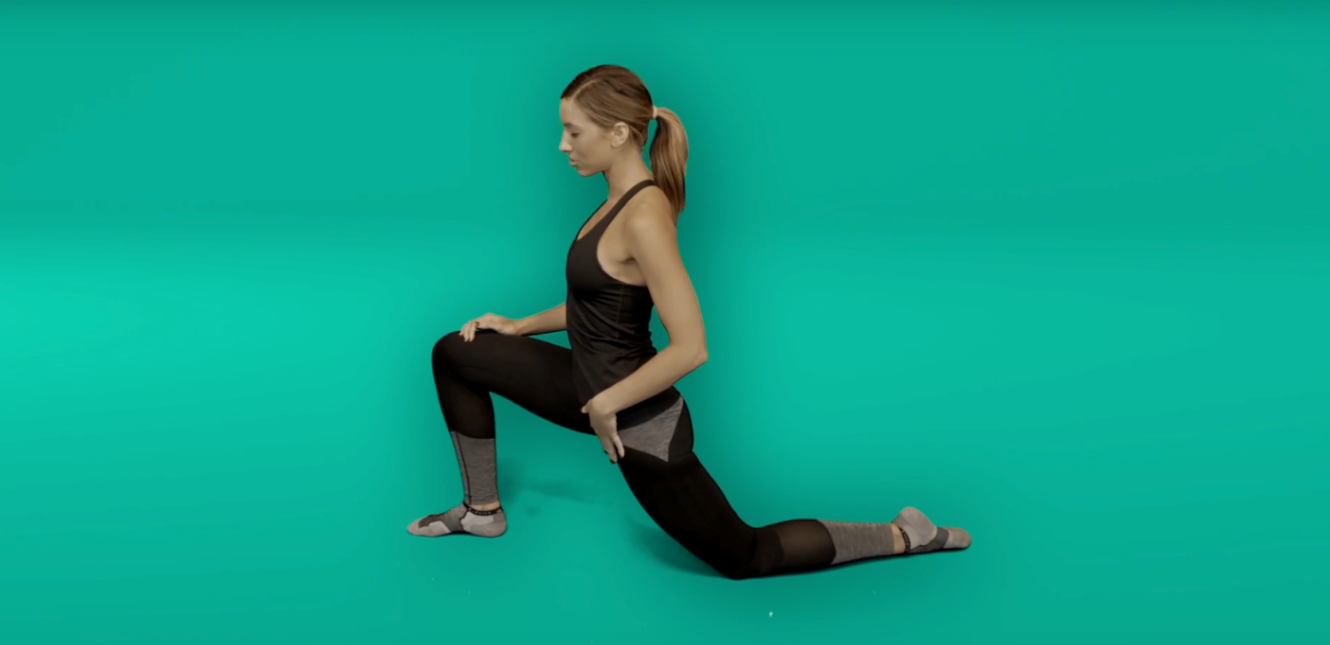
Video: Hip pain exercises
Hip injuries are common in all age groups. The most common cause of chronic (long-standing) hip pain in adults is osteoarthritis. Because the hip is such a complex joint, hip pain can be caused by many different things including: muscular injuries; ligament injuries; bursa injuries; cartilage tears; bone problems; fractures; reduced blood flow to the hip joint; or infection.
by Lilly Sabri, MHPC

Healthy living
Video: Glute strengthening exercises
Strengthening the movement in your lower back, glute and core muscles is the gateway into improving your ability to perform various other exercises.
by Lilly Sabri, MHPC
Condition & symptom support
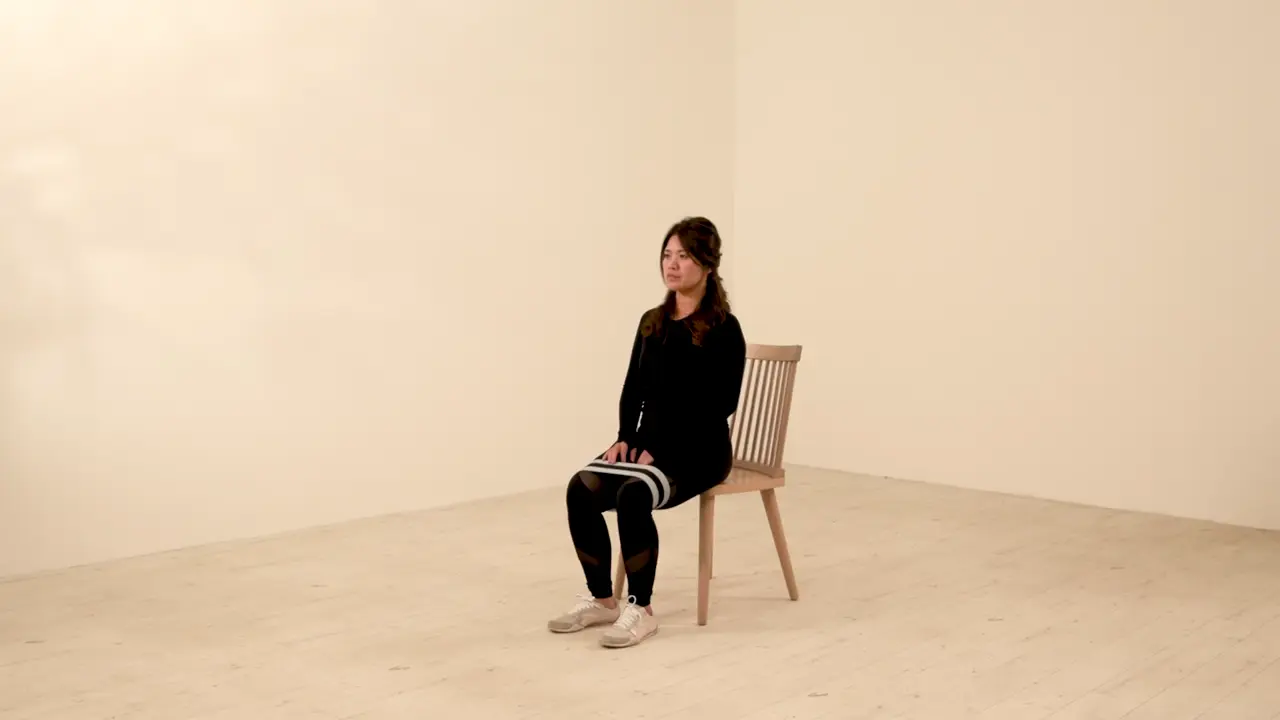
Seated Hip Abductions With Resistance Band
The Seated Hip Abduction With Resistance Band strengthens the outer hips and glutes while improving lower-body control. Sit tall with a resistance band looped around your thighs, feet flat, and knees bent. Press your knees outward against the band, then return slowly to the starting position. This exercise enhances hip strength, joint stability, and posture.
Full body stretch & mobilise exercises
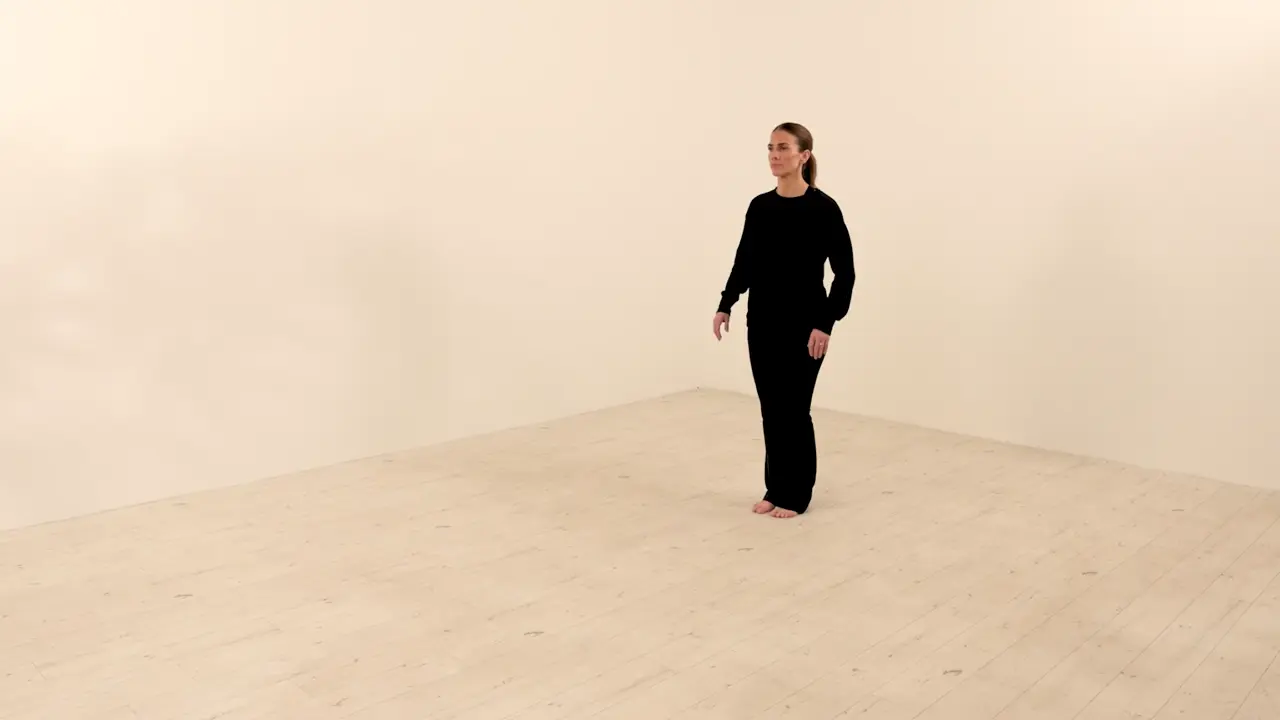
Tai Chi Crane Walk
Tai Chi Crane Walk involves lifting the knee to hip height before placing the foot down slowly and with control. The movement challenges balance and encourages strong posture throughout the step. This exercise helps improve balance, coordination, and lower-body strength.
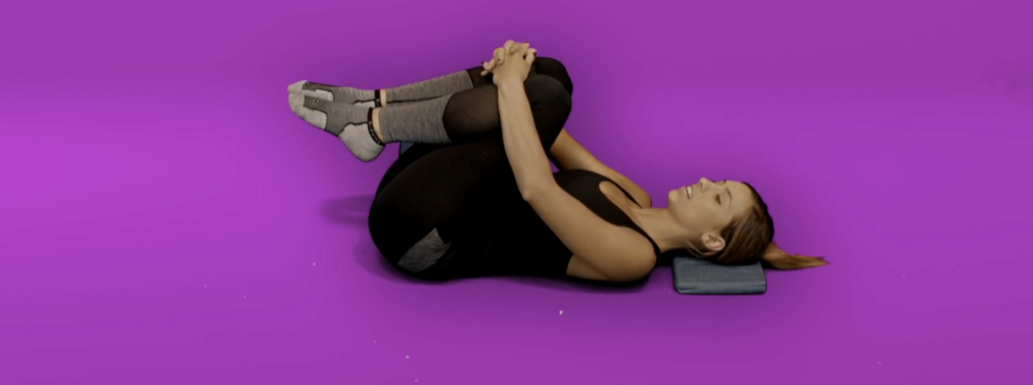
Bones, joints and muscles
Video: Back pain exercises
Back pain is very common but in most cases is not caused by a serious problem. Most cases of back pain resolve on their own within two weeks, and full recovery is made within four to six weeks.
by Lilly Sabri, MHPC
About the authorView full bio
Authored by

Lilly Sabri, MHPC
Physiotherapist, Personal Trainer
BSc Physiotherapy, MCSP, MHPC, MAACP, MACSPM
Lilly Sabri is a chartered Physiotherapist, APPI pilates instructor, fitness, health and lifestyle influencer and founder of #LeanWithLilly.
About the reviewerView full bio

Dr Sarah Jarvis
Clinical Consultant
MA (Cantab), BM, BCh (Oxon), DRCOG, FRCGP, MBE
After training in medicine at Cambridge and Oxford, Dr Sarah Jarvis MBE became a GP.
Article history
Article also available in English, German, Spanish, French, Italian, Portuguese, Hindi, Hebrew, Arabic, and Swedish.
15 Dec 2017 | Originally published
Authored by:
Lilly Sabri, MHPCPeer reviewed by
Dr Sarah Jarvis
Share your thoughts or experiences with others in our patient communities.
Sign up to the Patient newsletter
Your weekly dose of clear, trustworthy health advice - written to help you feel informed, confident and in control.
By subscribing you accept our Privacy Policy. You can unsubscribe at any time. We never sell your data.