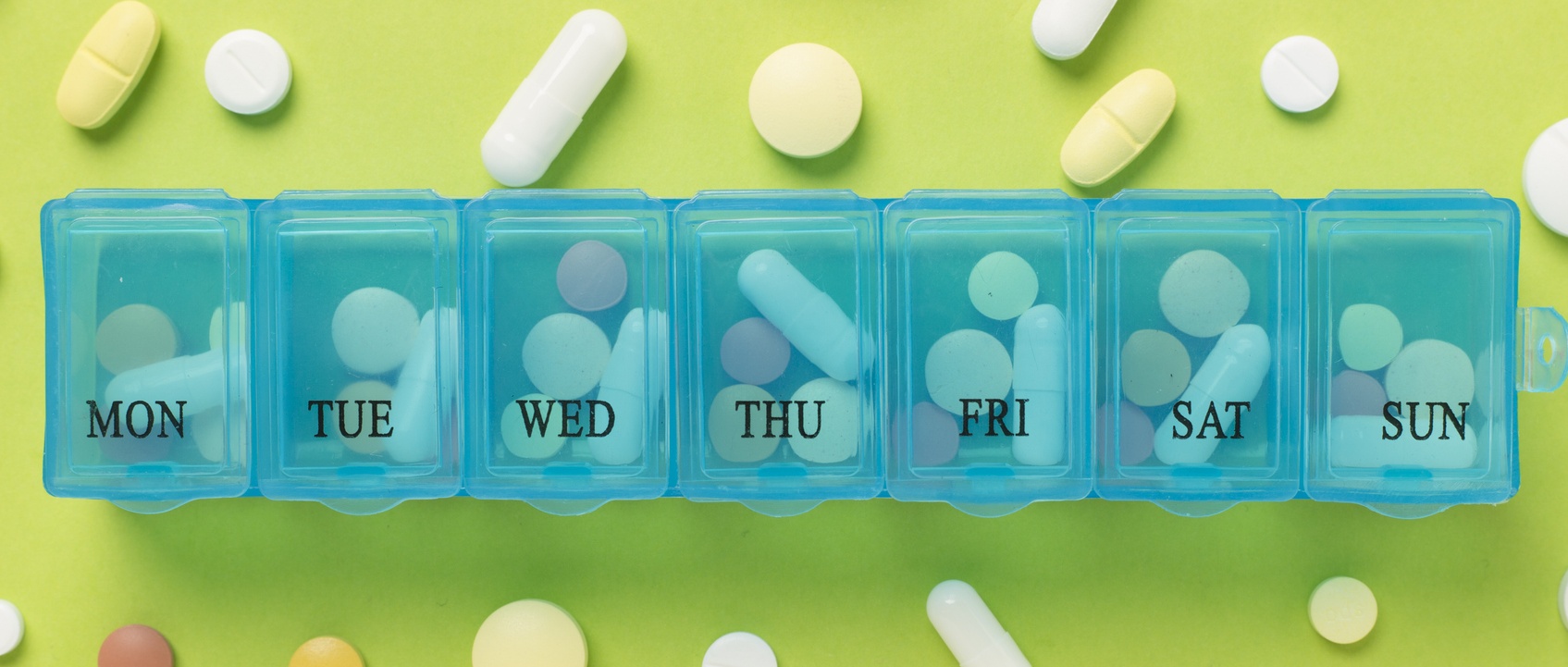
What to do if your medication isn't available
Peer reviewed by Dr Krishna Vakharia, MRCGPLast updated by Victoria RawLast updated 27 Feb 2025
Meets Patient’s editorial guidelines
- DownloadDownload
- Share
- Language
- Discussion
- Ask Patient
- Audio Version
- Add to preferred sources on Google
If you take medicine then you're no stranger to regularly picking up a prescription - but what happens when it isn't available? There are many reasons why medicine may become unavailable and it's important you know what to do if this happens to your prescription.
Video picks for Medicine informationVideo library
The most important thing to remember is that you must speak with your doctor or pharmacist about alternatives if you cannot get your regular medicine.
Hussain Abdeh, a superintendent pharmacist, based in Greater Manchester, and Scott McDougall, co-founder of The Independent Pharmacy, explain more.
"High demand may account for why certain medicines are unavailable, especially if it is a medicine to treat a very common condition," Abdeh says. "Buying patterns of certain medicines can also spike at certain times of the year, causing stock issues along the way."
He adds that local shortages can also be experienced at pharmacies, so it's always a good idea to check if your medicine is available at another pharmacy.
Don't stop taking your meds
It's important you continue taking your prescribed medicine. If you cannot get your usual prescription you will need to find alternatives. Your doctor or pharmacist will be able to help with that.
Abdeh says that most medicines will be available in more than one version - such as a different brand or a generic version of what you require. If the required medicine is not available, one of these alternatives will normally be dispensed by the pharmacy.
"In cases where an alternative form of the same medicine is not available, a different medicine with similar properties will be recommended," he explains. "This alternative will be a treatment for the same condition and a qualified medical professional will check to make sure that it is safe for you to take."
Pharmacist or doctor?
Who you contact about your missing medicine depends on the type of medicine you usually take. If it's a prescription, your doctor or practice nurse will need to issue you with a new prescription, but if it's over-the-counter medicine then your pharmacist is your best bet.
McDougall says: "If it is a prescription medicine, by law, your pharmacist has to provide the medicine that the doctor has stipulated. For non-prescription medicines, pharmacists are able to advise on similar alternatives. There are multiple medicines and brands available, so if your preferred medicine is not available, your pharmacist could suggest multiple alternatives that might help instead."
Abdeh adds that pharmacists often stock a 'like for like' version of medicines, so if your version isn't available another version could be provided. In the instance where there is not a like-for-like alternative, the pharmacist may need to request an alternative prescription from your doctor.
"Firstly, your doctor will need to authorise a new prescription for you to change prescription medicines," he says. "Secondly, they will have access to your medical history and will be able to make certain that the new medicine is safe for you to take. However in most cases the pharmacist is able to dispense a similar medicine to treat your condition."
Abdeh warns: "You should never change from one prescription medicine to another without speaking with your doctor. Different medicines contain different ingredients, even if they are used to treat the same condition, so one medicine may be less effective than another for different people."
Danger zone
It goes without saying that stopping medication can put your health in jeopardy, so it's very important you find an alternative to your regular prescription if it's not available.
"To effectively treat or control a condition, it is vital that you always take your medicine exactly as your doctor or pharmacist has instructed you," Abdeh says.
"You should never stop taking a medicine before you finish your course of treatment as laid out by your doctor. Doing this may mean that you have not fully cured the problem, which means that the problem may come back again."
He adds that you may also experience unpleasant side effects and withdrawal symptoms if you stop taking your medicine.
Withdrawal symptoms could include:
Anxiety.
Irritability.
Stomach pain.
Sleep problems.
Sweating.
McDougall explains that the health hazards of stopping your medicine depend on the type of prescription you usually take. If you're unsure, pharmacists can advise you on this.
Generic is just as good
There's a common misconception that generic versions of a drug aren't as effective, or won't treat your condition as successfully.
But actually, generic drugs are just as effective, have no more side effects and are often cheaper for the NHS.
McDougall says you don't have to worry if your pharmacist swaps your usual medicine for a generic version. Generic and branded medicines are all thoroughly tested to ensure that they meet the same standard of quality. Even receiving different generic brands is inconsequential - a common pharmaceutical practice that saves the NHS money.
He adds: "However, some medicines must be prescribed as a specific brand. For these medicines, there are very narrow margins between a safe and a toxic dose, so even small changes can be dramatic.
"Thankfully, there are very few medicines that fall into this category, and pharmacists are aware of this. As a result, they can ensure that people are kept on the right brand of medicine for their condition."
Abdeh advises you should always tell your doctor or pharmacist about other medicines you are taking if your prescription needs to be swapped.
"This includes medicine that you can buy without a prescription, like herbal remedies, vitamins and supplements," he says. "If you know that you are allergic to certain substances, or if you have a medical - or family - history of any serious health problems, make sure they know straightaway."
Patient picks for Medicine information
General health and lifestyle
Book a Pharmacy First online consultation
NHS Pharmacy First is a new scheme from the Government and NHS in England. It allows patients to get treatment, including prescription medications where necessary, for common conditions without the need for a GP appointment. Through NHS Pharmacy First, My Local Surgery offers fast, free private online consultations with an NHS pharmacist for quick.
by Thomas Andrew Porteus, MBCS
COVID-19
COVID-19 coronavirus: what to do if you need to see a GP or get medication
Whilst we're all staying at home as much as possible during the pandemic, we still need to fulfil our basic needs. Many people still require medications or need to get medical support for something other than COVID-19.
by Milly Evans
General health
AskPatient
AskPatient is a safer, clinically informed AI assistant designed to help you understand health information and find reliable guidance on Patient.info. Whether you have a symptom, want to understand a condition, or need help finding the right information, AskPatient can guide you to clear, trusted content written and reviewed by healthcare professionals. Start by typing your question below. Open in a new window
by Patient infomatics team

Digestive health
What happens if your appendix bursts?
Your appendix is a small organ that sits in the lower right part of your tummy. It can become infected, swollen, and even burst. This is very painful, but it is survivable - knowing the signs and acting fast is important.
by Amberley Davis

Ear, nose and throat
What should you eat if you have tonsillitis?
You've got tonsillitis and your throat feels like sandpaper. You feel nauseous and it is difficult to swallow, which is making eating - and wanting to eat - challenging. When you're not feeling well, however, it's important to keep your strength up. So, if you're wondering what to eat with tonsillitis, we've got you covered.
by Victoria Raw

Mental health
What to do if you're struggling with your mental health at Christmas
It may be a time of celebration, but the festive season can also be a stressful period for many. And if you have a mental health condition it can be even harder. We look at practical ways to cope over Christmas.
by Sally Turner
About the author
Updated by

Victoria Raw
Feature Writer
BA (Hons), English Literature
Victoria is a content writer at Patient, with special interests spanning mental wellbeing, societal trends, and the impact of technology on our health.
Throughout her career, Victoria has partnered with a range of charities such as Ovarian Cancer Action, Scleroderma and Raynaud's UK, St John Ambulance, Andy's Man Club, the RSPCA, and Barnardo's. Her work has seen her interview a variety of well-known personalities - among them actress Gaynor Faye, Sky Sports presenter Adam Smith, and comedian Alex Mitchell, exploring their experiences and stories.
Authored by

Andrea Downey
About the reviewerView full bio

Dr Krishna Vakharia, MRCGP
Chief Medical Officer for Health, Optum UK
MBChB, MRCGP(2013), BMedSci (hons), DFSRH, DRCOG, PGDipDerm (Distn)
Dr Krishna Vakharia is an NHS GP. She is also a regular examiner for the postgraduate Diploma in Practical Dermatology at Cardiff University as well as being the Chief Medical Officer for health at Optum UK.
Article history
Article also available in English, German, Spanish, French, Italian, Portuguese, Hindi, Hebrew, Arabic, and Swedish.
Next review due: 28 Feb 2028
27 Feb 2025 | Latest version
16 Apr 2021 | Originally published
Authored by:
Andrea Downey
Share your thoughts or experiences with others in our patient communities.
Sign up to the Patient newsletter
Your weekly dose of clear, trustworthy health advice - written to help you feel informed, confident and in control.
By subscribing you accept our Privacy Policy. You can unsubscribe at any time. We never sell your data.