Atelosteogenesis type 2
Last updated 18 Aug 2020
Meets Patient’s editorial guidelines
- DownloadDownload
- Share
- Language
- Discussion
- Ask Patient
- Audio Version
- Add to preferred sources on Google
Atelosteogenesis type 2 is a severe disorder of cartilage and bone development. Infants born with this condition have very short arms and legs, a narrow chest, and a prominent, rounded abdomen. This disorder is also characterised by an opening in the roof of the mouth (a cleft palate), distinctive facial features, an inward- and upward-turning foot (clubfoot), and unusually positioned thumbs (hitchhiker thumbs).
Video picks for Genetic conditionsVideo library
Description
Atelosteogenesis type 2 is a severe disorder of cartilage and bone development. Infants born with this condition have very short arms and legs, a narrow chest, and a prominent, rounded abdomen. This disorder is also characterised by an opening in the roof of the mouth (a cleft palate), distinctive facial features, an inward- and upward-turning foot (clubfoot), and unusually positioned thumbs (hitchhiker thumbs).
The signs and symptoms of atelosteogenesis type 2 are similar to those of another skeletal disorder called diastrophic dysplasia; however, atelosteogenesis type 2 is typically more severe. As a result of serious health problems, infants with this disorder are usually stillborn or die soon after birth from respiratory failure. Some infants, however, have lived for a short time with intensive medical support.
Inheritance patterns
The source lists the following possible inheritance patterns: Autosomal recessive. More than one pattern can apply in different cases.
Related genes
Other names
AO2
Atelosteogenesis de la Chapelle type
Atelosteogenesis, type 2
De la Chapelle dysplasia
McAlister dysplasia
Neonatal osseous dysplasia 1
Patient picks for Genetic conditions

Diabetes
Type 1 diabetes
Type 1 diabetes is the type of diabetes that typically develops in children and in young adults. In type 1 diabetes the body stops making insulin and the blood sugar (glucose) level goes very high. Treatment to control the blood glucose level is with insulin injections and a healthy diet. Other treatments aim to reduce the risk of complications. They include reducing blood pressure if it is high and advice to lead a healthy lifestyle.
by Dr Colin Tidy, MRCGP
Diabetes
Changes in type 2 diabetes care - what it means for you
If you are living with type 2 diabetes your treatment may soon change to be tailored around you and your specific needs - which will help improve your long-term health. Read on to find out what the changes are and what they mean for you.
by Lawrence Higgins

Brain and nerves
Types of seizures
A seizure is a condition caused by a sudden burst of electrical activity in the brain. There are different types of seizures. This leaflet gives some information about what your doctor may wish to know and what tests may be advised after such an event.
by Dr Doug McKechnie, MRCGP

Health and wellness video library
Type 2 diabetes videos
Our type 2 diabetes video hub features expert-led videos covering everything you need to know—from what causes type 2 diabetes and its common symptoms, to how it’s treated and the possible complications to watch out for. Whether you’re newly diagnosed or supporting someone with the condition, these videos are here to help you take control and live well.
by Lawrence Higgins
Diabetes
Video: How do you know if you have type 2 diabetes?
There are a lot of symptoms involved with type 2 diabetes, some of which may be mistaken for something else. Our experts look at what you need to look out for, and answer some other common questions about this widespread condition.
by Dr Partha Kar, FRCP

Diabetes
Type 2 diabetes treatment
Although diabetes cannot be cured, it can be treated successfully. If a high blood sugar level is brought down to a normal level, your symptoms will ease and your risk of long-term complications will be much lower.
by Dr Doug McKechnie, MRCGP
Related patient information and medicines
Patient information leaflet
Type 1 diabetes
Type 1 diabetes is the type of diabetes that typically develops in children and in young adults. These are called type 1 diabetes and type 2 diabetes Type 2 diabetes. For more information on type 1 diabetes, go to [https://patient.info/health/type-1-diabet... However, without treatment , the blood sugar (glucose) level becomes very high and acids.
Patient information leaflet
Necrotising fasciitis
Necrotising fasciitis is an infection which destroys areas of the skin and the tissues underneath. It is a very severe condition which can be fatal. ... Necrotising fasciitis is a rare but very serious infection of the skin and underlying tissues. It is pronounced neck-roe-tie-zing fash-ee-eye-tis. Type 1: several types of germ are involved. Type.
Patient information leaflet
Types of seizures
A seizure is a condition caused by a sudden burst of electrical activity in the brain. There are different types of seizures. This leaflet gives some information about what your doctor may wish to know and what tests may be advised after such an event. What is a seizure. A seizure is a short episode of symptoms caused by a burst of abnormal.
Patient information leaflet
Paget's disease of bone
They work in a balanced way to make and mould bone, repair damage and keep the bone structure correctly woven. There is a slow but constant turnover of bone. What is Paget's disease of bone. Paget's disease of bone was first described by Sir James Paget in 1877. (It is a different condition to Paget's disease of breast.). This leaflet is only.
Patient information leaflet
Insulin
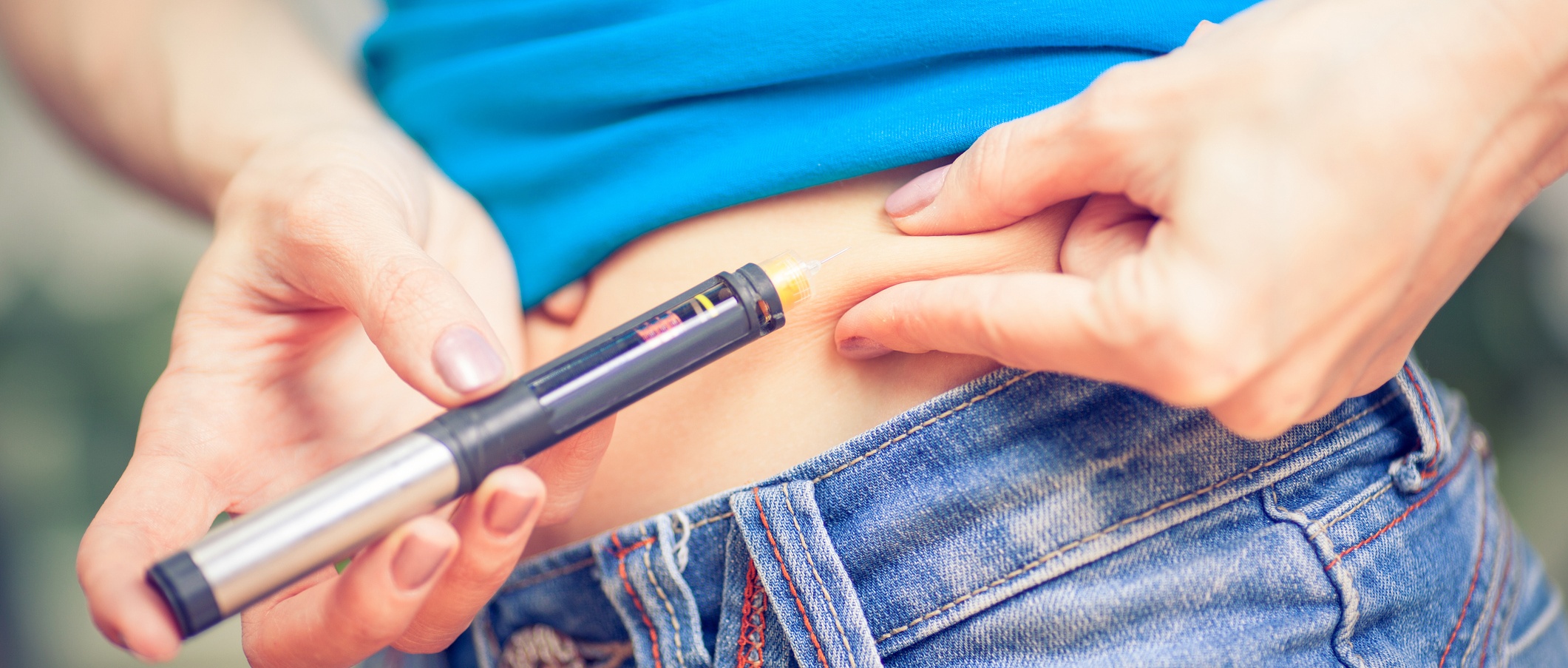
Insulin is a hormone made naturally in the body by the pancreas. This hormone controls the lev... Some people who have type 2 diabetes may also need to have insulin injections to help control blood sugar levels. See references below. Type 2 diabetes Type 2 diabetes is the type which occurs mostly in people aged over 40 years but is becoming more.

Patient information leaflet
Diabetes
There are two main types of diabetes - type 1 diabetes and type 2 diabetes. Type 1 usually first develops in children or in young adults. Type 2 usually first develops in people over the age of 40 years and is often (though not always) ass... However, type 2 diabetes is increasingly being diagnosed in children and in young adults. Dr Parta Kar.
Further reading and references
- Atelosteogenesis type 2; MedlinePlus, National Library of Medicine.
- Hastbacka J, Superti-Furga A, Wilcox WR, Rimoin DL, Cohn DH, Lander ES. Atelosteogenesis type II is caused by mutations in the diastrophic dysplasia sulfate-transporter gene (DTDST): evidence for a phenotypic series involving three chondrodysplasias. Am J Hum Genet. 1996 Feb;58(2):255-62.
- Newbury-Ecob R. Atelosteogenesis type 2. J Med Genet. 1998 Jan;35(1):49-53. doi: 10.1136/jmg.35.1.49.
- Rossi A, Superti-Furga A. Mutations in the diastrophic dysplasia sulfate transporter (DTDST) gene (SLC26A2): 22 novel mutations, mutation review, associated skeletal phenotypes, and diagnostic relevance. Hum Mutat. 2001 Mar;17(3):159-71. doi: 10.1002/humu.1.
- Superti-Furga A, Unger S. SLC26A2-Related Atelosteogenesis. 2002 Aug 30 [updated 2026 Sep 3]. In: Adam MP, Bick S, Mirzaa GM, Wallace SE, Amemiya A, editors. GeneReviews(R) [Internet]. Seattle (WA): University of Washington, Seattle; 1993-2026. Available from http://www.ncbi.nlm.nih.gov/books/NBK1317/
Share your thoughts or experiences with others in our patient communities.
Simple access to trusted treatments and health services online.
Common conditions
Get help with common conditions through the NHS, without a GP appointment.





Sign up to the Patient newsletter
Your weekly dose of clear, trustworthy health advice - written to help you feel informed, confident and in control.
By subscribing you accept our Privacy Policy. You can unsubscribe at any time. We never sell your data.