Dyserythropoietic anaemia and thrombocytopenia
Last updated 21 Mar 2023
Meets Patient’s editorial guidelines
- DownloadDownload
- Share
- Language
- Discussion
- Ask Patient
- Audio Version
- Add to preferred sources on Google
Dyserythropoietic anaemia and thrombocytopenia is a condition that affects blood cells and primarily occurs in males. A main feature of this condition is a type of anaemia called dyserythropoietic anaemia, which is characterised by a shortage of red blood cells. The term "dyserythropoietic" refers to the abnormal red blood cell formation that occurs in this condition. In affected individuals, immature red blood cells are unusually shaped and cannot develop into functional mature cells, leading to a shortage of healthy red blood cells. People with dyserythropoietic anaemia and thrombocytopenia can have another blood disorder characterised by a reduced level of circulating platelets (thrombocytopenia). Platelets are cells that normally assist with blood clotting. Thrombocytopenia can cause easy bruising and abnormal bleeding. While people with dyserythropoietic anaemia and thrombocytopenia can have signs and symptoms of both blood disorders, some are primarily affected by anaemia, while others are more affected by thrombocytopenia.
Video picks for Genetic conditionsVideo library
Description
Dyserythropoietic anaemia and thrombocytopenia is a condition that affects blood cells and primarily occurs in males. A main feature of this condition is a type of anaemia called dyserythropoietic anaemia, which is characterised by a shortage of red blood cells. The term "dyserythropoietic" refers to the abnormal red blood cell formation that occurs in this condition. In affected individuals, immature red blood cells are unusually shaped and cannot develop into functional mature cells, leading to a shortage of healthy red blood cells. People with dyserythropoietic anaemia and thrombocytopenia can have another blood disorder characterised by a reduced level of circulating platelets (thrombocytopenia). Platelets are cells that normally assist with blood clotting. Thrombocytopenia can cause easy bruising and abnormal bleeding. While people with dyserythropoietic anaemia and thrombocytopenia can have signs and symptoms of both blood disorders, some are primarily affected by anaemia, while others are more affected by thrombocytopenia.
The most severe cases of dyserythropoietic anaemia and thrombocytopenia are characterised by hydrops fetalis, a condition in which excess fluid builds up in the body before birth. For many others, the signs and symptoms of dyserythropoietic anaemia and thrombocytopenia begin in infancy. People with this condition experience prolonged bleeding or bruising after minor trauma or even in the absence of injury (spontaneous bleeding). Anaemia can cause pale skin, weakness, and fatigue. Severe anaemia may create a need for frequent blood transfusions to replenish the supply of red blood cells; however, repeated blood transfusions over many years can cause health problems such as excess iron in the blood. People with dyserythropoietic anaemia and thrombocytopenia may also have a shortage of white blood cells (neutropenia), which can make them prone to recurrent infections. Additionally, they may have an enlarged spleen (splenomegaly). The severity of these abnormalities varies among affected individuals.
Some people with dyserythropoietic anaemia and thrombocytopenia have additional blood disorders such as beta thalassemia or congenital erythropoietic porphyria. Beta thalassemia is a condition that reduces the production of hemoglobin, which is the iron-containing protein in red blood cells that carries oxygen. A decrease in hemoglobin can lead to a shortage of oxygen in cells and tissues throughout the body. Congenital erythropoietic porphyria is another disorder that impairs hemoglobin production. People with congenital erythropoietic porphyria are also very sensitive to sunlight, and areas of skin exposed to the sun can become fragile and blistered.
Inheritance patterns
The source lists the following possible inheritance patterns: X-linked recessive. More than one pattern can apply in different cases.
Related genes
Other names
Dyserythropoietic anaemia with thrombocytopenia
GATA-1-related thrombocytopenia with dyserythropoiesis
GATA1-related cytopenia
GATA1-related X-linked cytopenia
X-linked macrothrombocytopenia
Patient picks for Genetic conditions

Allergies, blood and immune system
Signs you may have anaemia
It's usual to feel a little tired and run-down from time to time. But if the feeling continues, or is excessive, you may need to speak with your doctor. One common cause of feeling run-down is anaemia. Here we look at the signs and symptoms, whether you might be susceptible, and what to do next.
by Victoria Raw

Pregnancy
Multiple pregnancy
In a multiple pregnancy, there is more than one baby growing in the womb (uterus) at the same time. Being pregnant with twins is the most common example. Both mother and babies need extra monitoring during pregnancy as the risks are higher than in a singleton pregnancy.
by Dr Toni Hazell, FRCGP

Allergies, blood and immune system
Anaemia
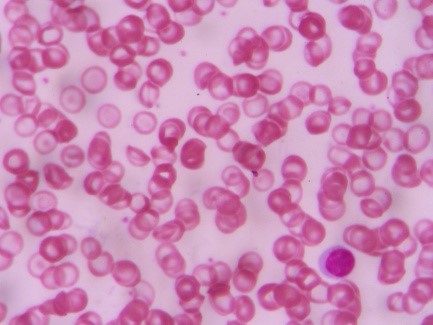
Anaemia means that you have fewer red blood cells than normal or you have less haemoglobin than normal in each red blood cell. In either case, a reduced amount of oxygen is carried around in the bloodstream.
by Dr Hayley Willacy, FRCGP
Allergies, blood and immune system
Sickle cell disease
Sickle cell disease (SCD) is a serious, inherited condition affecting the blood and various organs in the body. It affects the red blood cells, causing episodes of 'sickling', which produce episodes of pain and other symptoms. In between episodes of sickling, people with SCD are normally well. Long-term complications can occur. Good treatment, started early in life, can prevent complications. So, early diagnosis and specialist treatment are advised for SCD. Sickle cell trait is not the same as sickle cell disease.
by Dr Hayley Willacy, FRCGP

Allergies, blood and immune system
Folic acid deficiency
A normal balanced diet contains enough folic acid. However, a folic acid deficiency may cause anaemia and sometimes other symptoms.
by Dr Rosalyn Adleman, MRCGP
Allergies, blood and immune system
Iron-deficiency anaemia
Iron-deficiency anaemia is a common type of anaemia that is caused by a lack of iron. Symptoms include pale skin and lack of energy. A low level of iron, leading to anaemia, can result from various causes. Some are more serious than others.
by Dr Rachel Hudson, MRCGP
Related patient information and medicines
Patient information leaflet
Full blood count and blood film
The main abnormalities which can be detected are: Anaemia Anaemia - this means that you have fewer red blood cells than normal, or have less haemoglobin than normal in each red blood cell. The type of leukaemia depends on the type of white cell affected. Too few platelets - this is called thrombocytopenia Immune thrombocytopenic purpura. This may.
Patient information leaflet
E. coli
Also, the poison (toxin) released by VTEC O157 can cause other serious diseases such as haemolytic uraemic syndrome (HUS) and thrombotic thrombocytopenic purpura (TTP). Haemolytic uraemic syndrome (HUS) Between 1 and 2 in 10 people infected with VTEC O157 develop HUS in addition to gastroenteritis or h... It causes kidney failure, a type of.

Patient information leaflet
Myelofibrosis
Myelofibrosis is a condition affecting the bone marrow and its blood cell production. What is myelofibrosis. Myelofibrosis is a serious bone marrow disorder that disrupts your body's normal production of blood cells. This leads to reduced levels of: Red blood cells (erythrocytes). This causes anaemia Anaemia. White blood cells (leukocytes). This.
Patient information leaflet
Bone marrow biopsy and aspiration
A bone marrow biopsy is a procedure where a sample of tissue is taken from the inside of a bone. The information below is a general guide only. The ar... There are a number of reasons why you may be advised to have these tests. For example, they may be done to: Find the reason for a low number of red blood cells (anaemia), a low number of white.

Patient information leaflet
Purpura
Because there are so many causes for purpura, diagnosing the reason why you have developed a purpuric rash takes a bit of detective work. ... Conditions that cause increased pressure, such as coughing or vomiting. Thrombocytopenic purpura Conditions resulting from problems with platelet production, such as: Bone marrow failure - for example:.
Patient information leaflet
Immune thrombocytopenic purpura
Once the antibodies have attached to platelets, the platelets do not work so well. What is immune thrombocytopenic purpura. Immune thrombocytopenic purpura (ITP) is an autoimmune disorder. In autoimmune disorders your body makes proteins called antibodies which damage another part of your body. It is called ' immune ' because it is now known that.
Further reading and references
- Dyserythropoietic anaemia and thrombocytopenia; MedlinePlus, National Library of Medicine.
- Crispino JD. GATA1 in normal and malignant hematopoiesis. Semin Cell Dev Biol. 2005 Feb;16(1):137-47. doi: 10.1016/j.semcdb.2004.11.002. Epub 2004 Dec 13.
- Ferreira R, Ohneda K, Yamamoto M, Philipsen S. GATA1 function, a paradigm for transcription factors in hematopoiesis. Mol Cell Biol. 2005 Feb;25(4):1215-27. doi: 10.1128/MCB.25.4.1215-1227.2005. No abstract available.
- Millikan PD, Balamohan SM, Raskind WH, Kacena MA. Inherited thrombocytopenia due to GATA-1 mutations. Semin Thromb Hemost. 2011 Sep;37(6):682-9. doi: 10.1055/s-0031-1291378. Epub 2011 Nov 18.
- Splendore A, Magalhaes IQ, Pombo-de-Oliveira MS. GATA1 mutations in myeloproliferative disorders: nomenclature standardization and review of the literature. Hum Mutat. 2005 Oct;26(4):390-2. doi: 10.1002/humu.20233. No abstract available.
- Takasaki K, Kacena MA, Raskind WH, Weiss MJ, Chou ST. GATA1-Related Cytopenia. 2006 Nov 22 [updated 2023 Feb 16]. In: Adam MP, Bick S, Mirzaa GM, Wallace SE, Amemiya A, editors. GeneReviews(R) [Internet]. Seattle (WA): University of Washington, Seattle; 1993-2026. Available from http://www.ncbi.nlm.nih.gov/books/NBK1364/
Share your thoughts or experiences with others in our patient communities.
Simple access to trusted treatments and health services online.
Common conditions
Get help with common conditions through the NHS, without a GP appointment.





Sign up to the Patient newsletter
Your weekly dose of clear, trustworthy health advice - written to help you feel informed, confident and in control.
By subscribing you accept our Privacy Policy. You can unsubscribe at any time. We never sell your data.