Glycogen storage disease type 0
Last updated 19 Jul 2023
Meets Patient’s editorial guidelines
- DownloadDownload
- Share
- Language
- Discussion
- Ask Patient
- Audio Version
- Add to preferred sources on Google
Glycogen storage disease type 0 (also known as GSD 0) is a condition caused by the body's inability to form a complex sugar called glycogen, which is a major source of stored energy in the body. GSD 0 has two types: in muscle GSD 0, glycogen formation in the muscles is impaired, and in liver GSD 0, glycogen formation in the liver is impaired.
Video picks for Genetic conditionsVideo library
Description
Glycogen storage disease type 0 (also known as GSD 0) is a condition caused by the body's inability to form a complex sugar called glycogen, which is a major source of stored energy in the body. GSD 0 has two types: in muscle GSD 0, glycogen formation in the muscles is impaired, and in liver GSD 0, glycogen formation in the liver is impaired.
The signs and symptoms of muscle GSD 0 typically begin in early childhood. Affected individuals often experience muscle pain and weakness or episodes of fainting (syncope) following moderate physical activity, such as walking up stairs. The loss of consciousness that occurs with fainting typically lasts up to several hours. Some individuals with muscle GSD 0 have a disruption of the heart's normal rhythm (arrhythmia) known as long QT syndrome. In all affected individuals, muscle GSD 0 impairs the heart's ability to effectively pump blood and increases the risk of cardiac arrest and sudden death, particularly after physical activity. Sudden death from cardiac arrest can occur in childhood or adolescence in people with muscle GSD 0.
Individuals with liver GSD 0 usually show signs and symptoms of the disorder in infancy. People with this disorder develop low blood sugar (glucose), known as hypoglycemia, after going long periods of time without food (fasting). Signs of hypoglycemia become apparent when affected infants begin sleeping through the night and stop late-night feedings; these infants exhibit extreme tiredness (lethargy), pale skin (pallor), and nausea. During episodes of fasting, ketone levels in the blood may increase (ketosis). Ketones are molecules produced during the breakdown of fats, which occurs when stored sugars (such as glycogen) are unavailable. These short-term signs and symptoms of liver GSD 0 often improve when food is eaten and glucose levels in the body return to normal. The features of liver GSD 0 vary; they can be mild and go unnoticed for years, or they can include developmental delay and growth failure.
Inheritance patterns
The source lists the following possible inheritance patterns: Autosomal recessive. More than one pattern can apply in different cases.
Related genes
Other names
Glycogen storage disease 0
Glycogen synthase deficiency
Glycogen synthetase deficiency
GSD 0
GSD type 0
Hypoglycemia with deficiency of glycogen synthetase
Patient picks for Genetic conditions

Children's health
Glycogen storage disorders
Glycogen storage disorders are a group of inherited diseases. They result from a problem with one of the proteins (known as enzymes) involved in the conversion of glucose to glycogen, or the breakdown of glycogen back into glucose. They mostly tend to affect your liver and muscles. Most are diagnosed in childhood. Symptoms include weakness, tiredness and low blood sugar levels. Newer treatment possibilities provide hope for an improved outlook (prognosis). Most people with a glycogen storage disorder respond well to treatment. However, type II (infantile Pompe's disease) can be difficult to treat and can affect life expectancy.
by Dr Roger Henderson, MBBS
Kidney and urinary tract
IgA nephropathy
IgA nephropathy is a condition in which a protein causes damage to the kidneys. The protein is called immunoglobulin A or IgA. Nephropathy means an illness that damages the kidney.
by Dr Colin Tidy, MRCGP
Diabetes
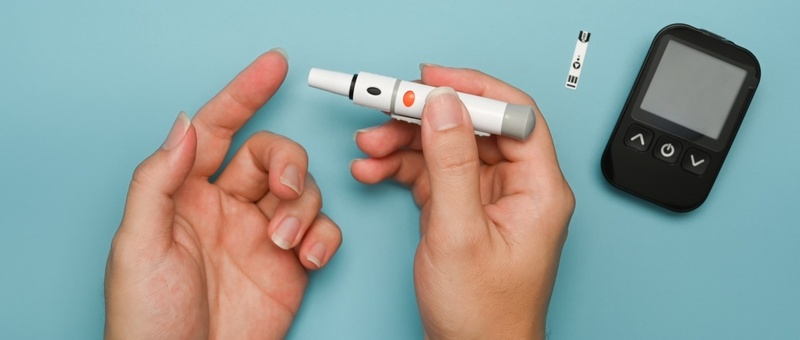
MHRA approves teplizumab to delay progression of type 1 diabetes
Teplizumab (Tzield) has been approved by the Medicines and Healthcare products Regulatory Agency (MHRA) to help delay the onset of Stage 3 type 1 diabetes (T1D). Read on to see what this means if you are prescribed teplizumab and what it does for you.
by Lawrence Higgins
Diabetes
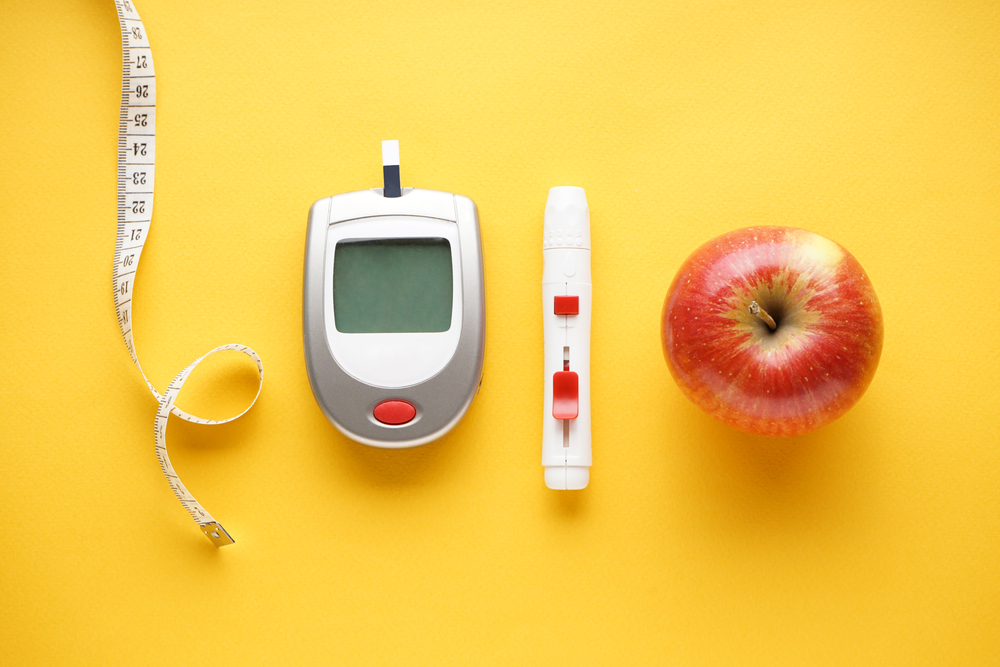
Changes in type 2 diabetes care - what it means for you
If you are living with type 2 diabetes your treatment may soon change to be tailored around you and your specific needs - which will help improve your long-term health. Read on to find out what the changes are and what they mean for you.
by Lawrence Higgins

Diabetes
Video: How do you know if you have type 2 diabetes?
There are a lot of symptoms involved with type 2 diabetes, some of which may be mistaken for something else. Our experts look at what you need to look out for, and answer some other common questions about this widespread condition.
by Dr Partha Kar, FRCP

Diabetes
Continuous glucose monitoring in type 1 diabetes
Type 1 and type 2 diabetes are both potentially serious conditions which should always be taken seriously. They’re both diagnosed on the basis of high blood sugar. But in other respects they are very, very different. Type 2 is largely down to lifestyle – getting type 1 is absolutely nothing to do with whether you eat too much sugar, carry excess weight or don’t exercise enough. People with type 2 diabetes often never need insulin – those with type 1 need it from day one. Many people with type 2 diabetes never need treatment that carries a risk of disabling low blood sugar (hypoglycaemia) – people with type 1 live with this risk every day. As a result, many people with type 2 never need to check their blood sugar several times a day – for people with type 1, it’s a highly unwelcome occupational hazard.
by Dr Sarah Jarvis
Related patient information and medicines
Patient information leaflet
Glycogen storage disorders
Glycogen storage disorders are a group of inherited diseases. They result from a problem with one ... Glycogen storage disorders are a group of inherited diseases that result from a lack of, or abnormal functioning of, one of the proteins (enzymes) involved in the conversion of glucose to glycogen or the breakdown of glycogen back into glucose..
Patient information leaflet
Non-alcoholic fatty liver disease
Non-alcoholic fatty liver disease (NAFLD) describes a range of conditions caused by a build-up of fat within liver cells. It is very common and in many cases is linked to being obese or overweight. Much of the food we eat is broken down by the body into... This is what our bodies use for energy. Glucose can't be stored so it is turned into a.

Patient information leaflet
Diabetic kidney disease
Diabetic kidney disease is a complication that occurs in some people with diabetes. Treatment aims to prevent or delay the progression of the disease. Also, it aims to reduce the risk of developing cardiovascular diseases such as heart attack and stroke which are much more common than average in people with this disease. What is diabetic kidney.
Patient information leaflet
IgA nephropathy
IgA nephropathy is a condition in which a protein causes damage to the kidneys. The protein is called immunoglobulin A or IgA. Nephropathy means an illness that damages the kidney. The main job of the kidneys is to clear waste materials from the body and maintain a normal balance of fluids and chemicals in the body. The kidneys also have other.
Patient information leaflet
Diet in chronic kidney disease
Chronic kidney disease (CKD) is a common long-term condition where the kidneys aren't working as well as they should be. There are some dietary choices that are recommended for people with early CKD. People with more advanced CKD may be advised to follow a special diet, usually with the support of a specialist dietician. It's important for.

Patient information leaflet
Wilson's disease
Wilson's disease is a genetic disorder in which copper builds up in the body, mainly in the liver and brain. Without any treatment, the build-up of copper can cause serious symptoms. Treatment is with medication to remove the excess copper and/or to prevent a further build-up of copper. What is Wilson's disease. Wilson's disease is a condition.
Further reading and references
- Glycogen storage disease type 0; MedlinePlus, National Library of Medicine.
- Bachrach BE, Weinstein DA, Orho-Melander M, Burgess A, Wolfsdorf JI. Glycogen synthase deficiency (glycogen storage disease type 0) presenting with hyperglycemia and glucosuria: report of three new mutations. J Pediatr. 2002 Jun;140(6):781-3. doi: 10.1067/mpd.2002.124317.
- Cameron JM, Levandovskiy V, MacKay N, Utgikar R, Ackerley C, Chiasson D, Halliday W, Raiman J, Robinson BH. Identification of a novel mutation in GYS1 (muscle-specific glycogen synthase) resulting in sudden cardiac death, that is diagnosable from skin fibroblasts. Mol Genet Metab. 2009 Dec;98(4):378-82. doi: 10.1016/j.ymgme.2009.07.012. Epub 2009 Jul 26.
- Fredriksson J, Anevski D, Almgren P, Sjogren M, Lyssenko V, Carlson J, Isomaa B, Taskinen MR, Groop L, Orho-Melander M; Botnia Study Group. Variation in GYS1 interacts with exercise and gender to predict cardiovascular mortality. PLoS One. 2007 Mar 14;2(3):e285. doi: 10.1371/journal.pone.0000285.
- Groop L, Orho-Melander M. New insights into impaired muscle glycogen synthesis. PLoS Med. 2008 Jan 29;5(1):e25. doi: 10.1371/journal.pmed.0050025.
- Kollberg G, Tulinius M, Gilljam T, Ostman-Smith I, Forsander G, Jotorp P, Oldfors A, Holme E. Cardiomyopathy and exercise intolerance in muscle glycogen storage disease 0. N Engl J Med. 2007 Oct 11;357(15):1507-14. doi: 10.1056/NEJMoa066691.
- Nessa A, Kumaran A, Kirk R, Dalton A, Ismail D, Hussain K. Mutational analysis of the GYS2 gene in patients diagnosed with ketotic hypoglycaemia. J Pediatr Endocrinol Metab. 2012;25(9-10):963-7. doi: 10.1515/jpem-2012-0165.
- Orho M, Bosshard NU, Buist NR, Gitzelmann R, Aynsley-Green A, Blumel P, Gannon MC, Nuttall FQ, Groop LC. Mutations in the liver glycogen synthase gene in children with hypoglycemia due to glycogen storage disease type 0. J Clin Invest. 1998 Aug 1;102(3):507-15. doi: 10.1172/JCI2890.
- Soggia AP, Correa-Giannella ML, Fortes MA, Luna AM, Pereira MA. A novel mutation in the glycogen synthase 2 gene in a child with glycogen storage disease type 0. BMC Med Genet. 2010 Jan 5;11:3. doi: 10.1186/1471-2350-11-3.
- Spiegel R, Mahamid J, Orho-Melander M, Miron D, Horovitz Y. The variable clinical phenotype of liver glycogen synthase deficiency. J Pediatr Endocrinol Metab. 2007 Dec;20(12):1339-42. doi: 10.1515/jpem.2007.20.12.1339.
- Sukigara S, Liang WC, Komaki H, Fukuda T, Miyamoto T, Saito T, Saito Y, Nakagawa E, Sugai K, Hayashi YK, Sugie H, Sasaki M, Nishino I. Muscle glycogen storage disease 0 presenting recurrent syncope with weakness and myalgia. Neuromuscul Disord. 2012 Feb;22(2):162-5. doi: 10.1016/j.nmd.2011.08.008. Epub 2011 Sep 29.
- Weinstein DA, Correia CE, Saunders AC, Wolfsdorf JI. Hepatic glycogen synthase deficiency: an infrequently recognized cause of ketotic hypoglycemia. Mol Genet Metab. 2006 Apr;87(4):284-8. doi: 10.1016/j.ymgme.2005.10.006. Epub 2005 Dec 6.
Share your thoughts or experiences with others in our patient communities.
Simple access to trusted treatments and health services online.
Common conditions
Get help with common conditions through the NHS, without a GP appointment.





Sign up to the Patient newsletter
Your weekly dose of clear, trustworthy health advice - written to help you feel informed, confident and in control.
By subscribing you accept our Privacy Policy. You can unsubscribe at any time. We never sell your data.