Hypertension
Last updated 8 Nov 2023
Meets Patient’s editorial guidelines
- DownloadDownload
- Share
- Language
- Discussion
- Ask Patient
- Audio Version
- Add to preferred sources on Google
Hypertension is abnormally high blood pressure in the arteries, which are the blood vessels that carry blood from the heart to the rest of the body. As the heart beats, it forces blood through the arteries to deliver nutrients and oxygen to the rest of the body. The strength of the blood pushing against the artery walls is blood pressure, which is measured in units called millimeters of mercury (mmHg). The top number in a blood pressure reading is the pressure when the heart pumps (systolic blood pressure), and the bottom number is the pressure between heart beats (diastolic blood pressure). In adults, a normal blood pressure measurement is about 120/80 mmHg. Blood pressure is considered high when the measurement is 130/80 mmHg or greater.
Video picks for Genetic conditionsVideo library
Description
Hypertension is abnormally high blood pressure in the arteries, which are the blood vessels that carry blood from the heart to the rest of the body. As the heart beats, it forces blood through the arteries to deliver nutrients and oxygen to the rest of the body. The strength of the blood pushing against the artery walls is blood pressure, which is measured in units called millimeters of mercury (mmHg). The top number in a blood pressure reading is the pressure when the heart pumps (systolic blood pressure), and the bottom number is the pressure between heart beats (diastolic blood pressure). In adults, a normal blood pressure measurement is about 120/80 mmHg. Blood pressure is considered high when the measurement is 130/80 mmHg or greater.
Hypertension usually has no symptoms, and many affected individuals do not know they have the condition. However, hypertension is a major risk factor for heart disease, stroke, kidney failure, and eye problems. When blood pressure is elevated, the heart and arteries have to work harder than normal to pump blood through the body. The extra work thickens the muscles of the heart and arteries and hardens or damages artery walls. As a result, the flow of blood and oxygen to the heart and other organs is reduced. Damage to the heart caused by the extra work and a lack of oxygen causes heart disease. In addition, damage to the arteries increases the risk of blood clots that block the flow of blood to the heart, causing a heart attack, or to the brain, causing a type of stroke known as an ischemic stroke. Another type of stroke, called a hemorrhagic stroke, can occur when a weakened blood vessel in the brain bursts. Damage to blood vessels in the kidneys impairs their ability to filter waste and remove fluid, leading to kidney failure. Problems with blood flow in the arteries of the eyes can lead to vision loss.
In rare cases, dangerously high blood pressure can cause severe headaches, confusion, shortness of breath, chest pain, or nosebleeds.
In about 95 percent of cases, the cause of hypertension is unknown. These cases are classified as essential hypertension. When hypertension results from an underlying condition, such as blood vessel defects that reduce blood flow; kidney disorders, which alter the amount of fluids and salts in the body; or problems with hormone-producing glands called the adrenal glands or the thyroid gland, it is classified as secondary hypertension. Hypertension is a key feature of some rare genetic disorders, including familial hyperaldosteronism, pseudohypoaldosteronism type 2, Liddle syndrome, and tumours known as paragangliomas.
Inheritance patterns
The source lists the following possible inheritance patterns: Pattern unknown. More than one pattern can apply in different cases.
Related genes
Other names
Essential hypertension
High blood pressure
Primary hypertension
Patient picks for Genetic conditions
Heart health and blood vessels
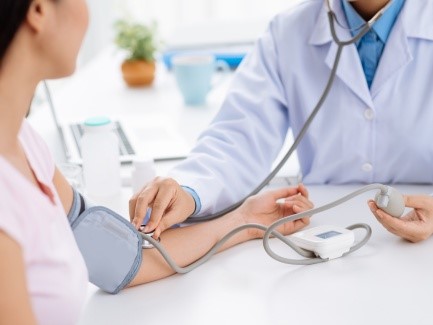
High blood pressure
High blood pressure (hypertension) happens when the force on the walls of blood vessels (caused by the blood within them) is more than normal. This means the heart has to work harder and the blood vessels are under more strain, making it a major risk factor for heart disease, stroke and other serious conditions.
by Dr Doug McKechnie, MRCGP
Brain and nerves
Idiopathic intracranial hypertension
In idiopathic intracranial hypertension there is raised pressure within the skull (raised intracranial pressure), which puts pressure on the brain. Idiopathic means that the cause of this raised pressure is unknown. The main symptoms are headache and loss of sight (visual loss). It mostly affects women of childbearing age who are overweight or obese. Treatment is aimed at preventing permanent visual loss and includes treatment with medicines. Brain surgery (neurosurgery) may also be used. For many people, a combination of medical and surgical treatment can help to control their symptoms well.
by Dr Doug McKechnie, MRCGP
Medicine
Ambrisentan for pulmonary hypertension
Ambrisentan is used to treat high blood pressure in people who have pulmonary arterial hypertension. The usual dose is one 5 mg tablet daily. You can take ambrisentan either with or without food. The most common side-effects are headache, and swollen feet and ankles.
by Michael Stewart, MRPharmS
Medicine
Sildenafil for pulmonary arterial hypertension
Sildenafil will be prescribed for you by a specialist doctor. Every time you collect a supply, check that you have been given the same brand of tablets as before. If the appearance is not the same as usual, please speak with your doctor or pharmacist. Do not drink grapefruit juice while you are on sildenafil. The most common side-effects are headache, sickness, flu-like infections, diarrhoea and nosebleeds.
by Michael Stewart, MRPharmS
Medicine
Macitentan for pulmonary arterial hypertension
Macitentan will be prescribed for you by a specialist doctor. Take one 10 mg tablet each day. Swallow the tablet whole with a drink of water. Common side-effects include respiratory infections and feeling tired or dizzy.
by Michael Stewart, MRPharmS
Medicine
Iloprost for pulmonary arterial hypertension
Treatment with iloprost nebuliser solution will be started for you in hospital. It will be prescribed for you by a specialist doctor. Iloprost may increase your tendency to bleed (such as nosebleeds). You also may feel faint and dizzy. Do not let young children or pregnant women remain in the same room with you while you use iloprost.
by Michael Stewart, MRPharmS
Related patient information and medicines
Patient information leaflet
High blood pressure
High blood pressure (hypertension) happens when the force on the walls of blood vessels (caused by the blood within them) is more than normal. This means the heart has to work harder and the blood vessels are under more strain, making it a major risk factor for heart disease , stroke and other serious conditions. High blood pressure is a blood.

Patient information leaflet
Living with high blood pressure
About 3 in 10 adults in the UK are living with high blood pressure. This will reduce the risks of complications from high blood pressure - which can include kidney damage , stroke , heart disease , dementia , and problems with the blood vessels. What is high blood pressure. High blood pressure is when the blood pressure (a measure of how.
Patient information leaflet
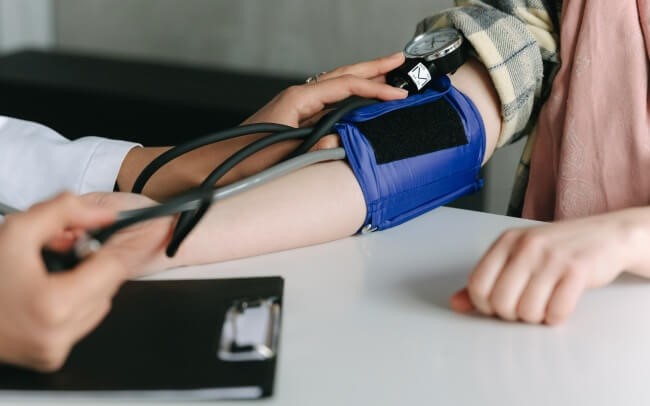
Diabetes and high blood pressure
It is important to keep your blood pressure under control if you have diabetes. Keeping your blood pressure well controlled is important for everyone, but is especially import... High blood pressure (hypertension) High blood pressure increases the risk of developing heart disease and stroke, and in people with diabetes it also increases the risk.

Patient information leaflet
Eye problems
Rarely, it can be associated with high blood pressure ( hypertension High blood pressure ). Glaucoma... Ocular hypertension is a condition in which the pressure in the eyeball is raised but pain and gradual loss of vision do not occur. Ocular hypertension affects around 5 in 100 people over the age of 40 years. Normal-tension glaucoma This is.
Patient information leaflet
Potassium-sparing diuretics
Diuretics are medicines which increase the amount of fluid removed from the body when we pass urine. Thiazide diuretics (for example, bendroflumethiazide). These are mainly used for treating high blood pressure (hypertension) and fluid on the legs (oedema). This can happen due to various con... In treating high blood pressure (hypertension) High.

Patient information leaflet
Thiazide diuretics
Thiazide diuretics are mainly used to treat high blood pressure (hypertension). They are occasionally also used for heart failure. Thiazide diuretics are a common treatment for high blood pressure (hypertension) High blood pressure. They are also occasionally used to clear fluid from the body in conditions where your body accumulates too much....
Further reading and references
- Hypertension; MedlinePlus, National Library of Medicine.
- Dodoo SN, Benjamin IJ. Genomic Approaches to Hypertension. Cardiol Clin. 2017 May;35(2):185-196. doi: 10.1016/j.ccl.2016.12.001.
- Gkaliagkousi E, Douma S, Zamboulis C, Ferro A. Nitric oxide dysfunction in vascular endothelium and platelets: role in essential hypertension. J Hypertens. 2009 Dec;27(12):2310-20. doi: 10.1097/HJH.0b013e328330e89a.
- Padmanabhan S, Aman A, Dominiczak AF. Genomics of hypertension. Pharmacol Res. 2017 Jul;121:219-229. doi: 10.1016/j.phrs.2017.04.031. Epub 2017 May 8.
- Saxena T, Ali AO, Saxena M. Pathophysiology of essential hypertension: an update. Expert Rev Cardiovasc Ther. 2018 Dec;16(12):879-887. doi: 10.1080/14779072.2018.1540301.
- Singh M, Singh AK, Pandey P, Chandra S, Singh KA, Gambhir IS. Molecular genetics of essential hypertension. Clin Exp Hypertens. 2016;38(3):268-77. doi: 10.3109/10641963.2015.1116543. Epub 2016 Mar 30.
- Whelton PK, Carey RM, Aronow WS, Casey DE Jr, Collins KJ, Dennison Himmelfarb C, DePalma SM, Gidding S, Jamerson KA, Jones DW, MacLaughlin EJ, Muntner P, Ovbiagele B, Smith SC Jr, Spencer CC, Stafford RS, Taler SJ, Thomas RJ, Williams KA Sr, Williamson JD, Wright JT Jr. 2017 ACC/AHA/AAPA/ABC/ACPM/AGS/APhA/ASH/ASPC/NMA/PCNA Guideline for the Prevention, Detection, Evaluation, and Management of High Blood Pressure in Adults: A Report of the American College of Cardiology/American Heart Association Task Force on Clinical Practice Guidelines. Circulation. 2018 Oct 23;138(17):e484-e594. doi: 10.1161/CIR.0000000000000596. No abstract available.
- Wise IA, Charchar FJ. Epigenetic Modifications in Essential Hypertension. Int J Mol Sci. 2016 Mar 25;17(4):451. doi: 10.3390/ijms17040451.
- Wright JM, Musini VM, Gill R. First-line drugs for hypertension. Cochrane Database Syst Rev. 2018 Apr 18;4(4):CD001841. doi: 10.1002/14651858.CD001841.pub3.
Share your thoughts or experiences with others in our patient communities.
Simple access to trusted treatments and health services online.
Common conditions
Get help with common conditions through the NHS, without a GP appointment.





Sign up to the Patient newsletter
Your weekly dose of clear, trustworthy health advice - written to help you feel informed, confident and in control.
By subscribing you accept our Privacy Policy. You can unsubscribe at any time. We never sell your data.