Poikiloderma with neutropenia
Last updated 18 Aug 2020
Meets Patient’s editorial guidelines
- DownloadDownload
- Share
- Language
- Discussion
- Ask Patient
- Audio Version
- Add to preferred sources on Google
Poikiloderma with neutropenia (PN) is a disorder that mainly affects the skin and the immune system. This condition begins with a bumpy rash that usually appears between the ages of 6 and 12 months, gradually spreading from the arms and legs to the torso and face. At about age 2, the rash fades, and the affected child is left with darker and lighter patches of skin coloring (hyperpigmentation and hypopigmentation) and small clusters of blood vessels just under the skin (telangiectases); this combination is known as poikiloderma. Other skin problems include unusually thick skin on the palms of the hands and soles of the feet (palmoplantar keratoderma); calcium deposits that form small nodules (calcinosis cutis), especially on the knees, elbows, or ears; or sores (ulcers) that do not easily heal. Affected individuals also have fingernails and toenails that are thick and abnormally shaped (pachyonychia), fragile teeth, and low bone density.
Video picks for Genetic conditionsVideo library
Description
Poikiloderma with neutropenia (PN) is a disorder that mainly affects the skin and the immune system. This condition begins with a bumpy rash that usually appears between the ages of 6 and 12 months, gradually spreading from the arms and legs to the torso and face. At about age 2, the rash fades, and the affected child is left with darker and lighter patches of skin coloring (hyperpigmentation and hypopigmentation) and small clusters of blood vessels just under the skin (telangiectases); this combination is known as poikiloderma. Other skin problems include unusually thick skin on the palms of the hands and soles of the feet (palmoplantar keratoderma); calcium deposits that form small nodules (calcinosis cutis), especially on the knees, elbows, or ears; or sores (ulcers) that do not easily heal. Affected individuals also have fingernails and toenails that are thick and abnormally shaped (pachyonychia), fragile teeth, and low bone density.
People with PN have chronic neutropenia, which is a persistent shortage (deficiency) of neutrophils. Neutrophils are a type of white blood cell that plays a role in inflammation and in fighting infection. Neutropenia makes it more difficult for the body to fight off pathogens such as bacteria and viruses. As a result, people with PN experience recurrent sinus infections and pneumonia, especially in the first few years of life. They often develop a condition called bronchiectasis, which damages the passages leading from the windpipe to the lungs (bronchi) and can cause breathing problems. The infections become less frequent after early childhood, but throughout life affected individuals usually have a chronic cough or a reactive airway disease. This term describes asthma and other conditions in which the airways abnormally constrict in response to stimuli such as smoke or a viral infection, leading to wheezing and shortness of breath.
Researchers suggest that PN may increase the risk of cancer, although the level of risk is difficult to determine because only a small number of people have been diagnosed with PN. A type of skin cancer called squamous cell carcinoma, a precancerous blood disorder known as myelodysplastic syndrome (MDS), and a blood cancer called acute myelogenous leukemia that often follows MDS have occurred in a few people with PN.
Some individuals with PN also develop unusual facial features as they grow. These features include a prominent forehead (frontal bossing), widely spaced eyes (hypertelorism), a flat or sunken appearance of the middle of the face (midface hypoplasia), a small nose with a depressed nasal bridge, and a chin that protrudes (prognathism). Short stature and hypogonadotropic hypogonadism (a condition affecting the production of hormones that direct sexual development) can also occur in this disorder.
Inheritance patterns
The source lists the following possible inheritance patterns: Autosomal recessive. More than one pattern can apply in different cases.
Related genes
Other names
Clericuzio type poikiloderma with neutropenia
Immune-deficient poikiloderma
Poikiloderma with neutropenia, Clericuzio type
Patient picks for Genetic conditions

General health and lifestyle
Book a Pharmacy First online consultation
NHS Pharmacy First is a new scheme from the Government and NHS in England. It allows patients to get treatment, including prescription medications where necessary, for common conditions without t... Through NHS Pharmacy First, My Local Surgery offers fast, free private online consultations with an NHS pharmacist for quick diagnosis and.
by Thomas Andrew Porteus, MBCS
MSK
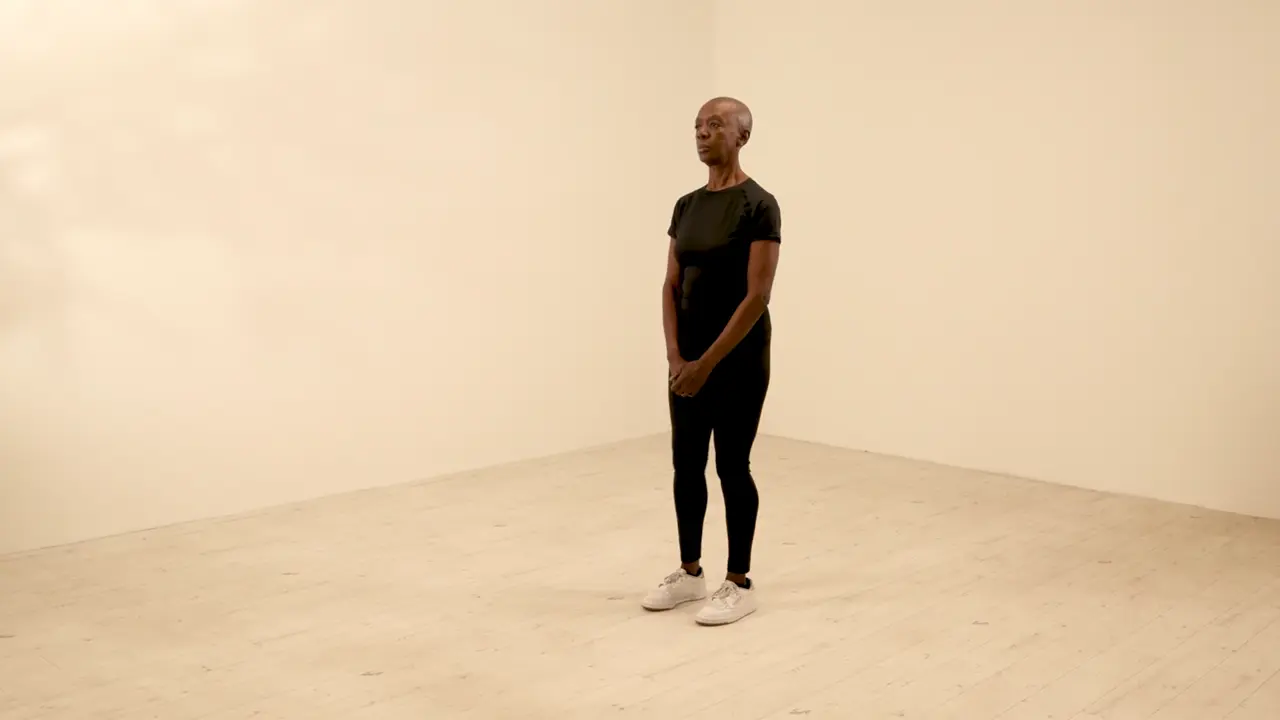
March In Place With Knee Tap
The March in Place with Knee Tap is a coordination and mobility exercise that engages the legs, hips, and core while improving rhythm and balance. March in place with high knees, tapping each knee with the opposite hand as it lifts. Maintain an upright posture and a steady, controlled rhythm throughout. This exercise enhances coordination, balance, and core engagement through dynamic movement.
Condition & symptom support
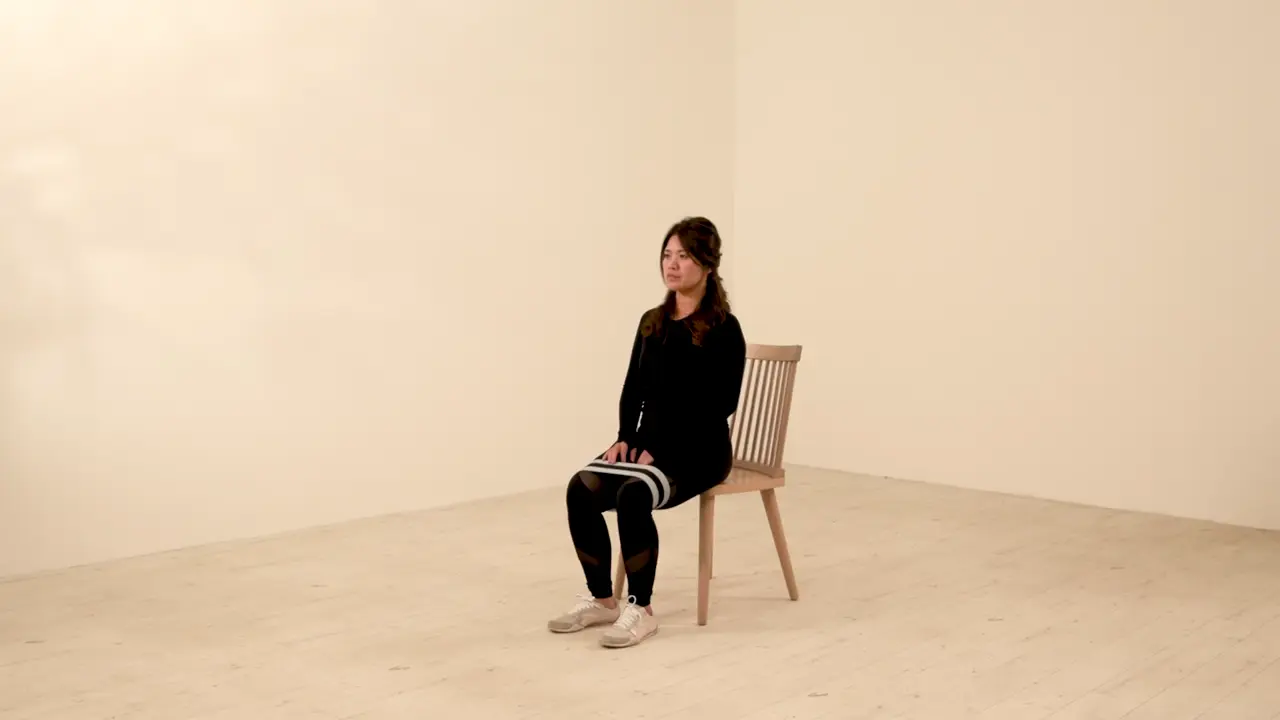
Seated Hip Abductions With Resistance Band
The Seated Hip Abduction With Resistance Band strengthens the outer hips and glutes while improving lower-body control. Sit tall with a resistance band looped around your thighs, feet flat, and knees bent. Press your knees outward against the band, then return slowly to the starting position. This exercise enhances hip strength, joint stability, and posture.
MSK
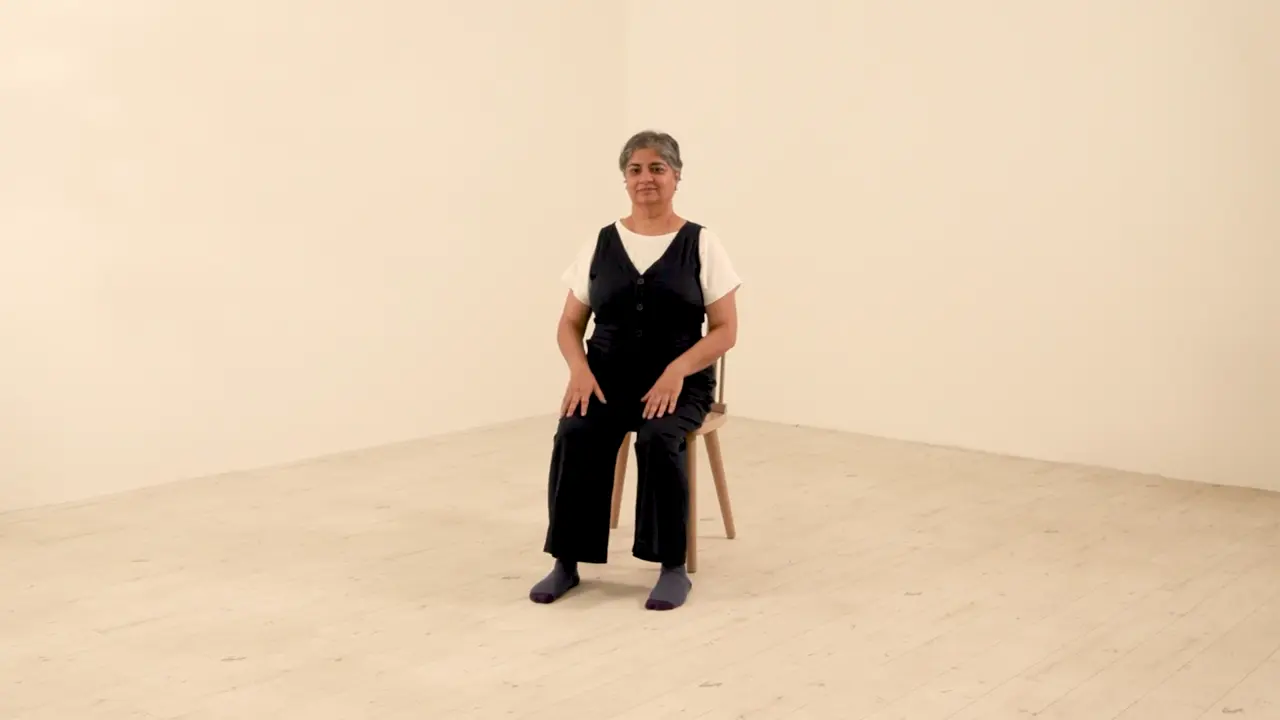
Rainbow Dance Seated
Sit comfortably toward the front of the chair with your feet flat on the floor, knees slightly apart and aligned with the hips. Keep the spine long and relaxed. Open your arms out to the sides, imagining you are holding a rainbow — each palm supporting one end of its arc. Gently shift your weight into one sit bone, and as you do, bend sideways toward the opposite side (so if you shift right, you lean left). Keep the movement soft and spacious, lifting through the ribs rather than collapsing. This gentle lateral stretch supports the Stomach meridian, traditionally linked with digestion and overall nourishment. The movement can also help release tension across the shoulders and encourage ease in the nervous system. Return to centre, switch sides, and continue flowing side to side, as though moving beneath a rainbow that arches and softens with each breath.
Preventative health
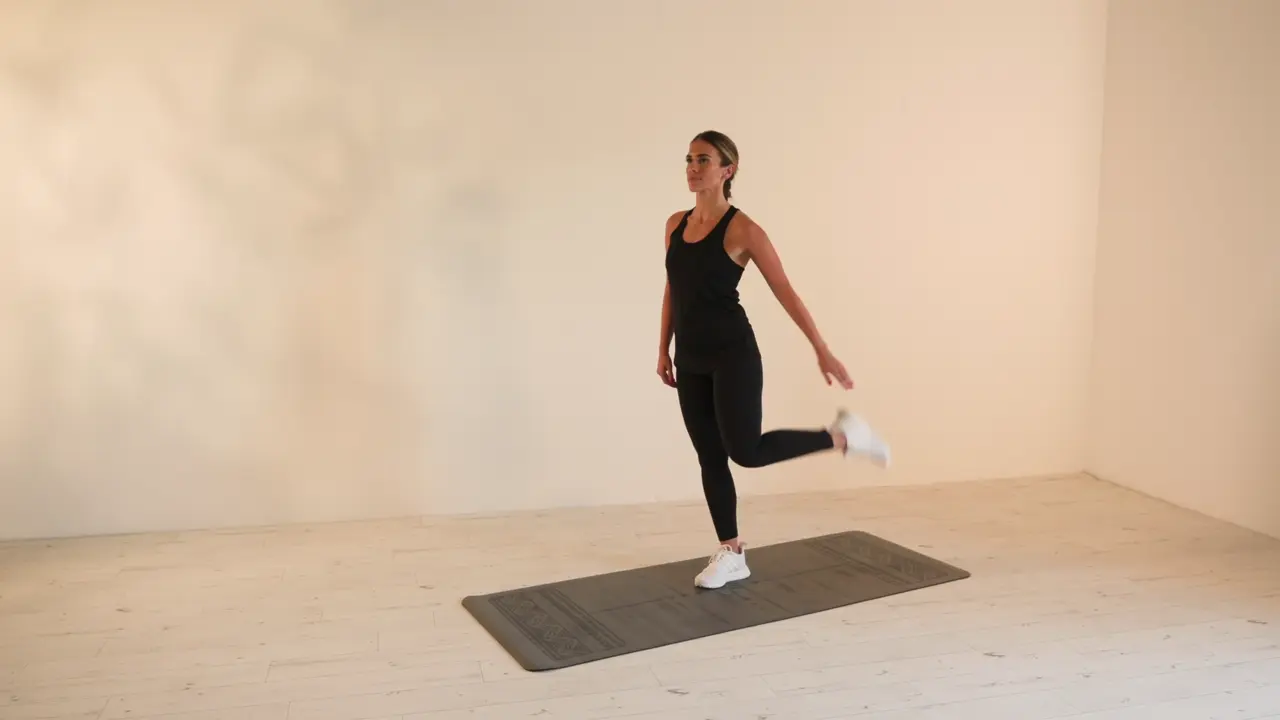
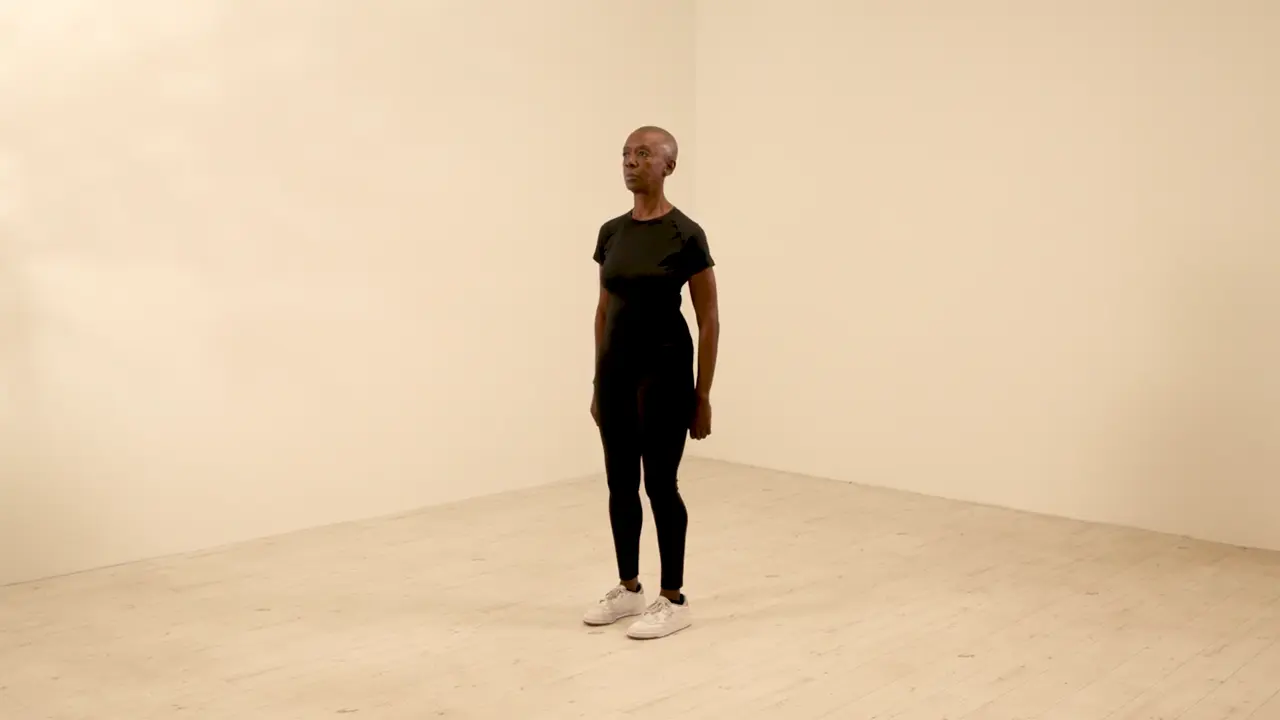
Standing Single Leg Quadriceps Stretch
Strengthen your quadriceps with a one-legged standing stretch. Lift one foot behind you and hold onto it with your hand. This exercise targets the quadriceps while enhancing balance.
MSK
Side Step With Arm Raise
The Side Step with Arm Raise is a coordination and mobility exercise that engages the legs, shoulders, and core while improving rhythm and balance. Begin by stepping side to side in a steady rhythm—step to the right, then to the left. Once comfortable, add arm movement by swinging one arm straight forward and up as you step with the opposite leg. Continue alternating sides in a smooth, controlled motion. This exercise enhances coordination, upper and lower-body control, and overall functional movement.
Related patient information and medicines

Patient information leaflet
Full blood count and blood film
The cause of iron deficiency can be benign (for... Too many red cells - this is called polycythaemia and can be due to various causes. Too few white cells - this is called leukopenia. Depending on which type of white cell is reduced it can be called neutropenia, lymphopenia or eosinopenia. There are various causes. Too many white blood cells -.

Patient information leaflet
Can I take Black garlic and Turmeric with black pepper together?
Taking black garlic and turmeric together may increase your risk of bruising or bleeding. This is because both supplements have natural 'blood-thinning' properties. While black pepper is often added to turmeric to help your body absorb it better, it can also increase the levels of certain medications or other supplements in your bloodstream,.

Patient information leaflet
Diabetic kidney disease
Diabetic kidney disease is a complication that occurs in some people with diabetes. It can progress to kidney failure in some cases. Treatment aims to prevent or delay the progression of the disease. Also, it aims to reduce the risk of developing cardiovascular diseases such as heart attack and stroke which are much more common than average in.
Patient information leaflet
Diabetic neuropathy
Diabetic neuropathy is a type of nerve damage that can occur if you have diabetes. Diabetic neuropathy is a common complication of both type 1 diabetes and type 2 diabetes. The best way to prevent or treat diabetic neuropathy is to keep your blood sugar (glucose) and blood pressure well controlled, to attend regular diabetes checks and to avoid.
Patient information leaflet
Living with a long-term condition
A long-term condition cannot be cured but its symptoms and complications may be controlled with treatment. Examples are arthritis, asthma, diabetes, epilepsy and high blood pressure. Long-term conditions can have an effect on your role within the family, your job, where you live, your education and your finances. However, there are many sources of.

Patient information leaflet
Granulomatosis with polyangiitis
In the condition called granulomatosis with polyangiitis, the walls of small and medium-sized blood vessels become inflamed. It mainly affects adults. Treatment with medicines to... What is granulomatosis with polyangiitis and who develops it. Granulomatosis with polyangiitis (GPA) is one of a group of conditions that causes inflammation of the.
Further reading and references
- Poikiloderma with neutropenia; MedlinePlus, National Library of Medicine.
- Arnold AW, Itin PH, Pigors M, Kohlhase J, Bruckner-Tuderman L, Has C. Poikiloderma with neutropenia: a novel C16orf57 mutation and clinical diagnostic criteria. Br J Dermatol. 2010 Oct;163(4):866-9. doi: 10.1111/j.1365-2133.2010.09929.x. Epub 2010 Sep 7.
- Colombo EA, Bazan JF, Negri G, Gervasini C, Elcioglu NH, Yucelten D, Altunay I, Cetincelik U, Teti A, Del Fattore A, Luciani M, Sullivan SK, Yan AC, Volpi L, Larizza L. Novel C16orf57 mutations in patients with Poikiloderma with Neutropenia: bioinformatic analysis of the protein and predicted effects of all reported mutations. Orphanet J Rare Dis. 2012 Jan 23;7:7. doi: 10.1186/1750-1172-7-7.
- Farruggia P, Indaco S, Dufour C, Lanza T, Mosa C, Macaluso A, Milioto M, D'Angelo P, Lanciotti M. Poikiloderma with neutropenia: a case report and review of the literature. J Pediatr Hematol Oncol. 2014 May;36(4):297-300. doi: 10.1097/MPH.0b013e31829f35e7.
- Hilcenko C, Simpson PJ, Finch AJ, Bowler FR, Churcher MJ, Jin L, Packman LC, Shlien A, Campbell P, Kirwan M, Dokal I, Warren AJ. Aberrant 3' oligoadenylation of spliceosomal U6 small nuclear RNA in poikiloderma with neutropenia. Blood. 2013 Feb 7;121(6):1028-38. doi: 10.1182/blood-2012-10-461491. Epub 2012 Nov 27.
- Koparir A, Gezdirici A, Koparir E, Ulucan H, Yilmaz M, Erdemir A, Yuksel A, Ozen M. Poikiloderma with neutropenia: genotype-ethnic origin correlation, expanding phenotype and literature review. Am J Med Genet A. 2014 Oct;164A(10):2535-40. doi: 10.1002/ajmg.a.36683. Epub 2014 Jul 16.
- Mroczek S, Dziembowski A. U6 RNA biogenesis and disease association. Wiley Interdiscip Rev RNA. 2013 Sep-Oct;4(5):581-92. doi: 10.1002/wrna.1181. Epub 2013 Jun 14.
- Mroczek S, Krwawicz J, Kutner J, Lazniewski M, Kucinski I, Ginalski K, Dziembowski A. C16orf57, a gene mutated in poikiloderma with neutropenia, encodes a putative phosphodiesterase responsible for the U6 snRNA 3' end modification. Genes Dev. 2012 Sep 1;26(17):1911-25. doi: 10.1101/gad.193169.112. Epub 2012 Aug 16.
- Shchepachev V, Azzalin CM. The Mpn1 RNA exonuclease: cellular functions and implication in disease. FEBS Lett. 2013 Jun 27;587(13):1858-62. doi: 10.1016/j.febslet.2013.05.005. Epub 2013 May 15.
- Volpi L, Roversi G, Colombo EA, Leijsten N, Concolino D, Calabria A, Mencarelli MA, Fimiani M, Macciardi F, Pfundt R, Schoenmakers EF, Larizza L. Targeted next-generation sequencing appoints c16orf57 as clericuzio-type poikiloderma with neutropenia gene. Am J Hum Genet. 2010 Jan;86(1):72-6. doi: 10.1016/j.ajhg.2009.11.014. Epub 2009 Dec 10.
- Walne AJ, Vulliamy T, Beswick R, Kirwan M, Dokal I. Mutations in C16orf57 and normal-length telomeres unify a subset of patients with dyskeratosis congenita, poikiloderma with neutropenia and Rothmund-Thomson syndrome. Hum Mol Genet. 2010 Nov 15;19(22):4453-61. doi: 10.1093/hmg/ddq371. Epub 2010 Sep 3.
- Wang L, Clericuzio C, Larizza L, Concolino D. Poikiloderma with Neutropenia. 2017 Oct 26 [updated 2024 Feb 22]. In: Adam MP, Bick S, Mirzaa GM, Wallace SE, Amemiya A, editors. GeneReviews(R) [Internet]. Seattle (WA): University of Washington, Seattle; 1993-2026. Available from http://www.ncbi.nlm.nih.gov/books/NBK459118/
Share your thoughts or experiences with others in our patient communities.
Simple access to trusted treatments and health services online.
Common conditions
Get help with common conditions through the NHS, without a GP appointment.





Sign up to the Patient newsletter
Your weekly dose of clear, trustworthy health advice - written to help you feel informed, confident and in control.
By subscribing you accept our Privacy Policy. You can unsubscribe at any time. We never sell your data.