SCN8A-related epilepsy with encephalopathy
Last updated 18 Aug 2020
Meets Patient’s editorial guidelines
- DownloadDownload
- Share
- Language
- Discussion
- Ask Patient
- Audio Version
- Add to preferred sources on Google
SCN8A-related epilepsy with encephalopathy is a condition characterised by recurrent seizures (epilepsy), abnormal brain function (encephalopathy), and intellectual disability. The signs and symptoms of this condition typically begin in infancy.
Video picks for Genetic conditionsVideo library
Description
SCN8A-related epilepsy with encephalopathy is a condition characterised by recurrent seizures (epilepsy), abnormal brain function (encephalopathy), and intellectual disability. The signs and symptoms of this condition typically begin in infancy.
The seizures in SCN8A-related epilepsy with encephalopathy include involuntary muscle contractions that occur before age 1 (infantile spasms), partial or complete loss of consciousness (absence seizures), involuntary muscle twitches (myoclonic seizures), or loss of consciousness with muscle rigidity and convulsions (tonic-clonic seizures). Most people with SCN8A-related epilepsy with encephalopathy have more than one type of seizure. The frequency of seizures in different individuals with this condition ranges from hundreds per day to fewer than one per month. In many individuals, the seizures are described as refractory because they do not respond to therapy with anti-epileptic medications.
Other signs and symptoms of SCN8A-related epilepsy with encephalopathy include intellectual disability that may be mild to severe. Some affected infants have normal early development but begin to lose previously acquired skills (developmental regression) and have a gradual loss in thinking ability (cognitive decline) when epilepsy develops. Problems with movement are common, and about half of affected infants cannot perform intentional movements. Behaviour disorders may also occur.
In rare cases, individuals with this condition die unexpectedly for no known reason (sudden unexpected death in epilepsy or SUDEP).
Inheritance patterns
The source lists the following possible inheritance patterns: Autosomal dominant. More than one pattern can apply in different cases.
Related genes
Other names
Early infantile epileptic encephalopathy 13
EIEE13
SCN8A encephalopathy
Patient picks for Genetic conditions

Brain and nerves
Epilepsy
About 1 in 30 people in the UK develop epilepsy at some stage in their lives. It most commonly starts in childhood and in people aged over 60. However, epilepsy can begin at any age. In general, seizures are well controlled by treatment in about 4 in 5 cases.
by Dr Doug McKechnie, MRCGP

General health and lifestyle
Book a Pharmacy First online consultation
NHS Pharmacy First is a new scheme from the G... It allows patients to get treatment, including prescription medications where necessary, for common conditions without the need for a GP appointment. Through NHS Pharmacy First, My Local Surgery offers fast, free private online consultations with an NHS pharmacist for quick diagnosis and.
by Thomas Andrew Porteus, MBCS

Tests and investigations
Electroencephalograph
An electroencephalograph is a useful test to help diagnose epilepsy. It records the electrical activity of the brain. However, a normal result does not rule out epilepsy. Note: the information below is a general guide only. The arrangements, and the way tests are performed, may vary between different hospitals. Always follow the instructions given by your doctor or local hospital.
by Dr Colin Tidy, MRCGP
Brain and nerves
Epilepsy and contraception
It's best to seek advice from a doctor or epilepsy nurse when you are planning to start using contraception or when considering starting a family.
by Dr Colin Tidy, MRCGP
Brain and nerves
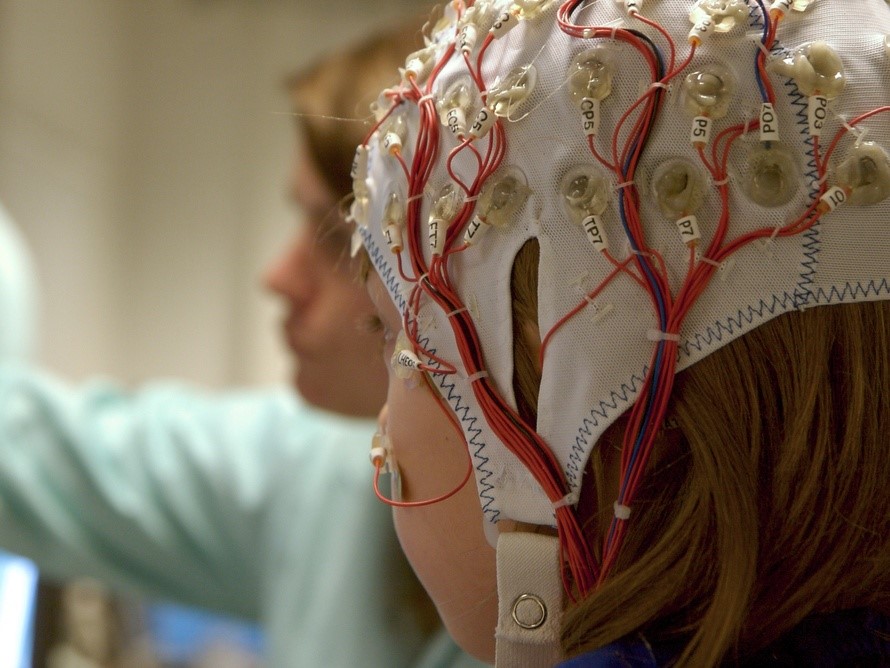
Types of seizures
A seizure is a condition caused by a sudden burst of electrical activity in the brain. There are different types of seizures. This leaflet gives some information about what your doctor may wish to know and what tests may be advised after such an event.
by Dr Doug McKechnie, MRCGP
Treatment and medication
Epilepsy medication and side-effects
Medicines that are used to treat epilepsy work by stabilising the electrical activity of the brain. You need to take medication every day to control seizures. In about 8 in 10 cases, seizures are well controlled by medication. Surgery is an option in some cases. There are different types of epilepsy. There are separate leaflets on Epilepsy and Seizures, Types of Epilepsy and Seizures, Epilepsy and Contraception, Epilepsy and Planning Pregnancy.
by Dr Colin Tidy, MRCGP
Related patient information and medicines
Patient information leaflet
Epilepsy
About 1 in 30 people in the UK develop epilepsy at some stage in their lives. However, epilepsy can begin at any age. What is epilepsy. Epilepsy is a long-lasting brain condition that causes people to have repeated seizures. It can cause different symptoms, from someone becoming unconscious and shaking, to someone behaving unusually for a short.
Patient information leaflet
Electroencephalograph
An electroencephalograph is a useful test to help diagnose epilepsy. It records the electrical activity of the brain. However, a normal result does not rule out epilepsy. Note : the information below is a general guide only. The arrangements, and the way tests are performed, may vary between different hospitals. Always follow the instructions.
Patient information leaflet
Epilepsy and contraception
It's best to seek advice from a doctor or epilepsy nurse when you are planning to start using contraception or when considering starting a family. Some anti-epilepsy medicines have a side-effect of increasing the speed in which some contraceptive pills and injections are processed by the liver. These medicines are known as liver enzyme inducers,.
Patient information leaflet
Types of seizures
A seizure is a condition caused by a sudden burst of electrical activity in the brain. There are different types of seizures. This leaflet gives some information about what your doctor may wish to know and what tests may be advised after such an event. What is a seizure. A seizure is a short episode of symptoms caused by a burst of abnormal.
Patient information leaflet
Epilepsy medication and side-effects
Medicines that are used to treat epilepsy work by stabilising the electrical activity of the brain. There are different types of epilepsy. There are separate leaflets on Epilepsy and Seizures , Types of Epilepsy and Seizures , Epilepsy and Contraception , Epilepsy and Planning Pregnancy. Epilepsy medication Epilepsy cannot be cured with.
Patient information leaflet
Living with epilepsy
This leaflet is a brief introduction to the practical considerations of living with epilepsy. Pharmacists can advise you further about this ... Dr Sarah Jarvis , 4th June 2021 Updated guidance on medications for epilepsy The National Institute for Health and Care Excellence (NICE) has updated its guidance on epilepsy in relation to women of.
Further reading and references
- SCN8A-related epilepsy with encephalopathy; MedlinePlus, National Library of Medicine.
- Butler KM, da Silva C, Shafir Y, Weisfeld-Adams JD, Alexander JJ, Hegde M, Escayg A. De novo and inherited SCN8A epilepsy mutations detected by gene panel analysis. Epilepsy Res. 2017 Jan;129:17-25. doi: 10.1016/j.eplepsyres.2016.11.002. Epub 2016 Nov 6.
- Hammer MF, Xia M, Schreiber JM. SCN8A-Related Epilepsy and/or Neurodevelopmental Disorders. 2016 Aug 25 [updated 2023 Apr 6]. In: Adam MP, Bick S, Mirzaa GM, Wallace SE, Amemiya A, editors. GeneReviews(R) [Internet]. Seattle (WA): University of Washington, Seattle; 1993-2026. Available from http://www.ncbi.nlm.nih.gov/books/NBK379665/
- Larsen J, Carvill GL, Gardella E, Kluger G, Schmiedel G, Barisic N, Depienne C, Brilstra E, Mang Y, Nielsen JE, Kirkpatrick M, Goudie D, Goldman R, Jahn JA, Jepsen B, Gill D, Docker M, Biskup S, McMahon JM, Koeleman B, Harris M, Braun K, de Kovel CG, Marini C, Specchio N, Djemie T, Weckhuysen S, Tommerup N, Troncoso M, Troncoso L, Bevot A, Wolff M, Hjalgrim H, Guerrini R, Scheffer IE, Mefford HC, Moller RS; EuroEPINOMICS RES Consortium CRP. The phenotypic spectrum of SCN8A encephalopathy. Neurology. 2015 Feb 3;84(5):480-9. doi: 10.1212/WNL.0000000000001211. Epub 2015 Jan 7.
- Meisler MH, Helman G, Hammer MF, Fureman BE, Gaillard WD, Goldin AL, Hirose S, Ishii A, Kroner BL, Lossin C, Mefford HC, Parent JM, Patel M, Schreiber J, Stewart R, Whittemore V, Wilcox K, Wagnon JL, Pearl PL, Vanderver A, Scheffer IE. SCN8A encephalopathy: Research progress and prospects. Epilepsia. 2016 Jul;57(7):1027-35. doi: 10.1111/epi.13422. Epub 2016 Jun 8.
- Wagnon JL, Barker BS, Hounshell JA, Haaxma CA, Shealy A, Moss T, Parikh S, Messer RD, Patel MK, Meisler MH. Pathogenic mechanism of recurrent mutations of SCN8A in epileptic encephalopathy. Ann Clin Transl Neurol. 2015 Dec 21;3(2):114-23. doi: 10.1002/acn3.276. eCollection 2016 Feb.
Share your thoughts or experiences with others in our patient communities.
Simple access to trusted treatments and health services online.
Common conditions
Get help with common conditions through the NHS, without a GP appointment.





Sign up to the Patient newsletter
Your weekly dose of clear, trustworthy health advice - written to help you feel informed, confident and in control.
By subscribing you accept our Privacy Policy. You can unsubscribe at any time. We never sell your data.