Spinal muscular atrophy with progressive myoclonic epilepsy
Last updated 23 May 2022
Meets Patient’s editorial guidelines
- DownloadDownload
- Share
- Language
- Discussion
- Ask Patient
- Audio Version
- Add to preferred sources on Google
Spinal muscular atrophy with progressive myoclonic epilepsy (SMA-PME) is a neurological condition that begins in childhood. SMA-PME causes muscle weakness and wasting (atrophy) and a combination of seizures and uncontrollable muscle jerks (myoclonic epilepsy).
Video picks for Genetic conditionsVideo library
Description
Spinal muscular atrophy with progressive myoclonic epilepsy (SMA-PME) is a neurological condition that begins in childhood. SMA-PME causes muscle weakness and wasting (atrophy) and a combination of seizures and uncontrollable muscle jerks (myoclonic epilepsy).
In individuals with SMA-PME, spinal muscular atrophy results from a loss of specialized nerve cells, called motor neurons, in the spinal cord and the part of the brain that is connected to the spinal cord (the brainstem). After a few years of normal development, affected children begin experiencing muscle weakness and atrophy in the lower limbs, causing difficulty walking and frequent falls. The muscles in the upper limbs are later affected, and soon the muscle weakness and atrophy spreads throughout the body. Once weakness reaches the muscles used for breathing and swallowing, affected individuals develop life-threatening breathing problems and increased susceptibility to pneumonia.
A few years after the muscle weakness begins, affected individuals start to experience recurrent seizures (epilepsy). Most people with SMA-PME have a variety of seizure types. In addition to myoclonic epilepsy, they may have generalized tonic-clonic seizures (also known as grand mal seizures), which cause muscle rigidity, convulsions, and loss of consciousness. Affected individuals can also have absence seizures, which cause loss of consciousness for a short period that may or may not be accompanied by muscle jerks. In SMA-PME, seizures often increase in frequency over time and are usually not well-controlled with medication. Individuals with SMA-PME may also have episodes of rhythmic shaking (tremors), usually in the hands; these tremors are not thought to be related to epilepsy. Some people with SMA-PME develop hearing loss caused by nerve damage in the inner ear (sensorineural hearing loss).
Individuals with SMA-PME have a shortened lifespan; they generally live into late childhood or early adulthood. Near the end of their lives, affected individuals often have limited mobility, difficulty swallowing, and decline in cognitive functioning. The cause of death is often respiratory failure or pneumonia.
Inheritance patterns
The source lists the following possible inheritance patterns: Autosomal recessive. More than one pattern can apply in different cases.
Related genes
Other names
Hereditary myoclonus with progressive distal muscular atrophy
Jankovic-Rivera syndrome
SMA-PME
SMAPME
Patient picks for Genetic conditions

Bones, joints and muscles
Muscular dystrophy
Muscular dystrophy is an inherited (genetic) disorder causing muscle weakness. There are different types of muscular dystrophy, which vary as to how severe they are, ranging from very mild to severe. The different types also vary as to what age they begin. If muscular dystrophy is suspected, tests can help to make an accurate diagnosis. Other people in the family can also be tested to see if they have a muscular dystrophy gene. Muscular dystrophy cannot be cured but there are various treatments which can help.
by Dr Doug McKechnie, MRCGP

General health and lifestyle
Book a Pharmacy First online consultation
NHS Pharmacy First is a new scheme from the Government and NHS in England. It allows patients to get treatment, including prescription medications where necessary, for common conditions without t... Through NHS Pharmacy First, My Local Surgery offers fast, free private online consultations with an NHS pharmacist for quick diagnosis and.
by Thomas Andrew Porteus, MBCS

Bones, joints and muscles
Spinal disc problems
Spinal discs are also called intervertebral discs. There is a spinal disc between each bone (vertebra) in your spine. This keeps the vertebrae separated and acts as a shock absorber. As we get older the spinal discs gradually become damaged and this can cause problems such as back pain. Other problems affecting the spinal discs include a slipped disc or, much more rarely, infection (discitis).
by Dr Hayley Willacy, FRCGP

Pregnancy
Is it safe to take epilepsy medication during pregnancy?
Hannah* was first prescribed sodium valproate to control her epilepsy when she was 13 years old. "At the time, I wasn't told about any of the risks and then I fell pregnant at 16," she says. "The pregnancy miscarried at four months, due to severe abnormalities with the baby, which were caused by my medication." More than 20 years later, UK drug regulator the MHRA last month announced a ban on prescribing sodium valproate to women and girls of childbearing age, unless they sign a form to say they understand the risks.
by Sarah Graham
Brain and nerves
Types of seizures
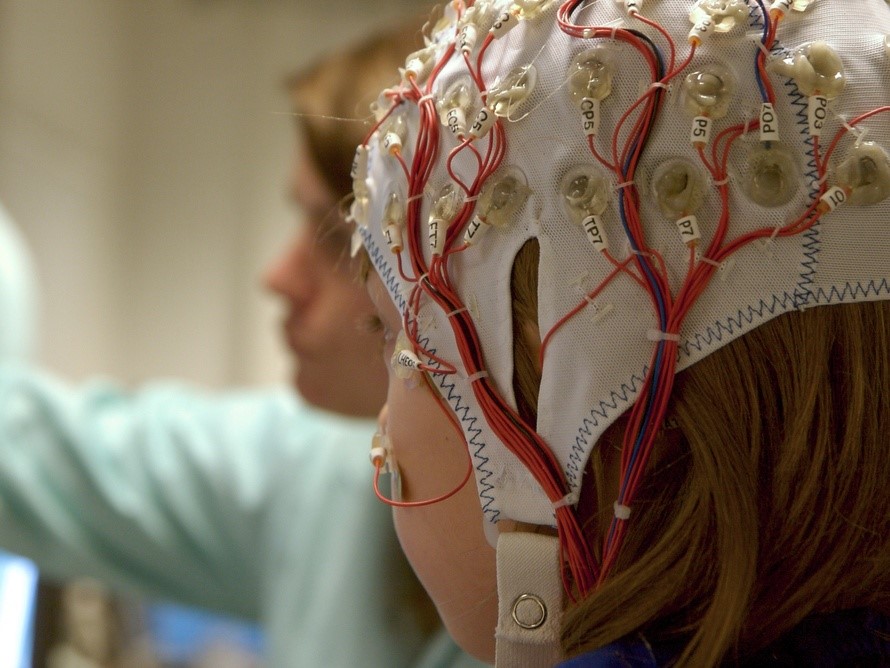
A seizure is a condition caused by a sudden burst of electrical activity in the brain. There are different types of seizures. This leaflet gives some information about what your doctor may wish to know and what tests may be advised after such an event.
by Dr Doug McKechnie, MRCGP

Children's health
Duchenne muscular dystrophy
Duchenne muscular dystrophy is a condition which causes progressive muscle weakness. It starts in childhood and may be noticed when a child has difficulty standing up, climbing or running. It is a genetic condition and can be inherited. It usually affects only boys, although girls may carry the Duchenne gene. Boys with Duchenne muscular dystrophy should have regular reviews and physiotherapy from childhood. They are likely to need increasing help and treatments.
by Dr Philippa Vincent, MRCGP
Related patient information and medicines

Patient information leaflet
Planning to become pregnant
Women with a past history of severe mental health illness should be under the care of a specialist who can monitor you during pregnancy. Hereditary conditions People with a history of a condition that runs in families may wish to have genetic testing Genetic testing before planning a pregnancy. Congenital adrenal hyperplasia Spinal muscular.
Patient information leaflet
Motor neurone disease
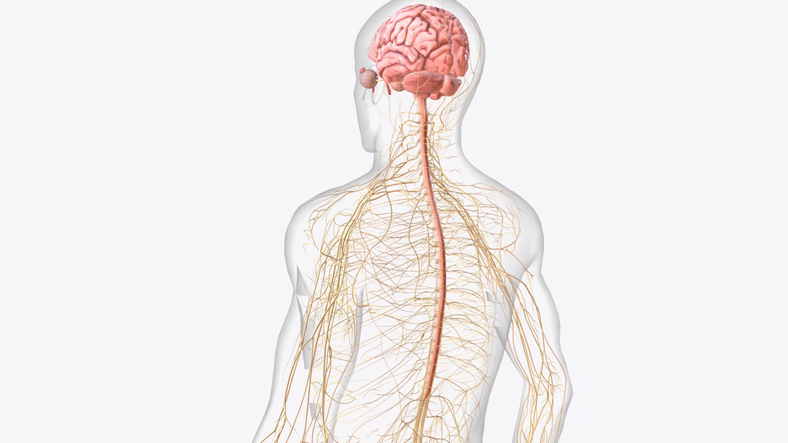
Motor neurone disease (MND) is a neurological condition causes a progressive weakness and wasting of many of the muscles in the body. There are various types of motor neurone disease. This leaflet is mainly about amyotrophic lateral sclerosis (ALS), which is the most common type of motor neurone disease. Although there is no cure for motor neurone.

Patient information leaflet
Baby-led weaning
You know your baby better than anyone but ther... Babies who can coordinate eyes, hands and mouth in order to look at food, pick it up and put it in their mouths are more likely to be ready for weaning. Read our feature on Spinal Muscular Atrophy Spinal muscular atrophy to see the muscular milestones your baby should go through. A baby who is.

Patient information leaflet
Muscle weakness
Spine-related conditions : When nerves are damaged as they emerge from the spine (such as when people 'slip' a disc Slipped disc in the lower back or neck), weakness can result. Guillain-Barré syndrome Guillain-Barré syndrome : This is a post-viral paralysing disease which causes weaknes... Parkinson's disease Parkinson's disease : This is a.

Patient information leaflet
Living with a long-term condition
A long-term condition cannot be cured but its symptoms and complications may be controlled with treatment. A long-term condition is an illness that cannot be cured but can usually be controlled with medicines or other treatments. The school should be aware of the ... Asthma, diabetes and epilepsy are typical long-term conditions of which the.
Patient information leaflet
Muscular dystrophy
Muscular dystrophy is an inherited (genetic) disorder causing muscle weakness. There are different types of muscular dystrophy, which vary as to how severe they are, ranging from very mild to severe. If muscular dystrophy is suspected, tests can help to make an accurate diagnosis. What is muscular dystrophy. Muscular dystrophy (MD) is the name.
Further reading and references
- Spinal muscular atrophy with progressive myoclonic epilepsy; MedlinePlus, National Library of Medicine.
- Dyment DA, Sell E, Vanstone MR, Smith AC, Garandeau D, Garcia V, Carpentier S, Le Trionnaire E, Sabourdy F, Beaulieu CL, Schwartzentruber JA, McMillan HJ; FORGE Canada Consortium; Majewski J, Bulman DE, Levade T, Boycott KM. Evidence for clinical, genetic and biochemical variability in spinal muscular atrophy with progressive myoclonic epilepsy. Clin Genet. 2014 Dec;86(6):558-63. doi: 10.1111/cge.12307. Epub 2013 Nov 21.
- Striano P, Boccella P, Sarappa C, Striano S. Spinal muscular atrophy and progressive myoclonic epilepsy: one case report and characteristics of the epileptic syndrome. Seizure. 2004 Dec;13(8):582-6. doi: 10.1016/j.seizure.2004.01.008.
- Yu FPS, Amintas S, Levade T, Medin JA. Acid ceramidase deficiency: Farber disease and SMA-PME. Orphanet J Rare Dis. 2018 Jul 20;13(1):121. doi: 10.1186/s13023-018-0845-z.
- Zhou J, Tawk M, Tiziano FD, Veillet J, Bayes M, Nolent F, Garcia V, Servidei S, Bertini E, Castro-Giner F, Renda Y, Carpentier S, Andrieu-Abadie N, Gut I, Levade T, Topaloglu H, Melki J. Spinal muscular atrophy associated with progressive myoclonic epilepsy is caused by mutations in ASAH1. Am J Hum Genet. 2012 Jul 13;91(1):5-14. doi: 10.1016/j.ajhg.2012.05.001. Epub 2012 Jun 14.
Share your thoughts or experiences with others in our patient communities.
Simple access to trusted treatments and health services online.
Common conditions
Get help with common conditions through the NHS, without a GP appointment.





Sign up to the Patient newsletter
Your weekly dose of clear, trustworthy health advice - written to help you feel informed, confident and in control.
By subscribing you accept our Privacy Policy. You can unsubscribe at any time. We never sell your data.