ATP binding cassette subfamily D member 1
Last updated 18 Aug 2020
Meets Patient’s editorial guidelines
- DownloadDownload
- Share
- Language
- Discussion
- Ask Patient
- Audio Version
- Add to preferred sources on Google
The ABCD1 gene provides instructions for producing the adrenoleukodystrophy protein (ALDP). ALDP is located in the membranes of cell structures called peroxisomes. Peroxisomes are small sacs within cells that process many types of molecules. ALDP brings a group of fats called very long-chain fatty acids (VLCFAs) into peroxisomes, where they are broken down.
Video picks for GenesVideo library
Normal function
The ABCD1 gene provides instructions for producing the adrenoleukodystrophy protein (ALDP). ALDP is located in the membranes of cell structures called peroxisomes. Peroxisomes are small sacs within cells that process many types of molecules. ALDP brings a group of fats called very long-chain fatty acids (VLCFAs) into peroxisomes, where they are broken down.
Conditions referring to this gene or chromosome
Other names
ABCD1_HUMAN
ALD
ALDP
AMN
ATP-binding cassette, sub-family D (ALD), member 1
Patient picks for Genes
Winter health
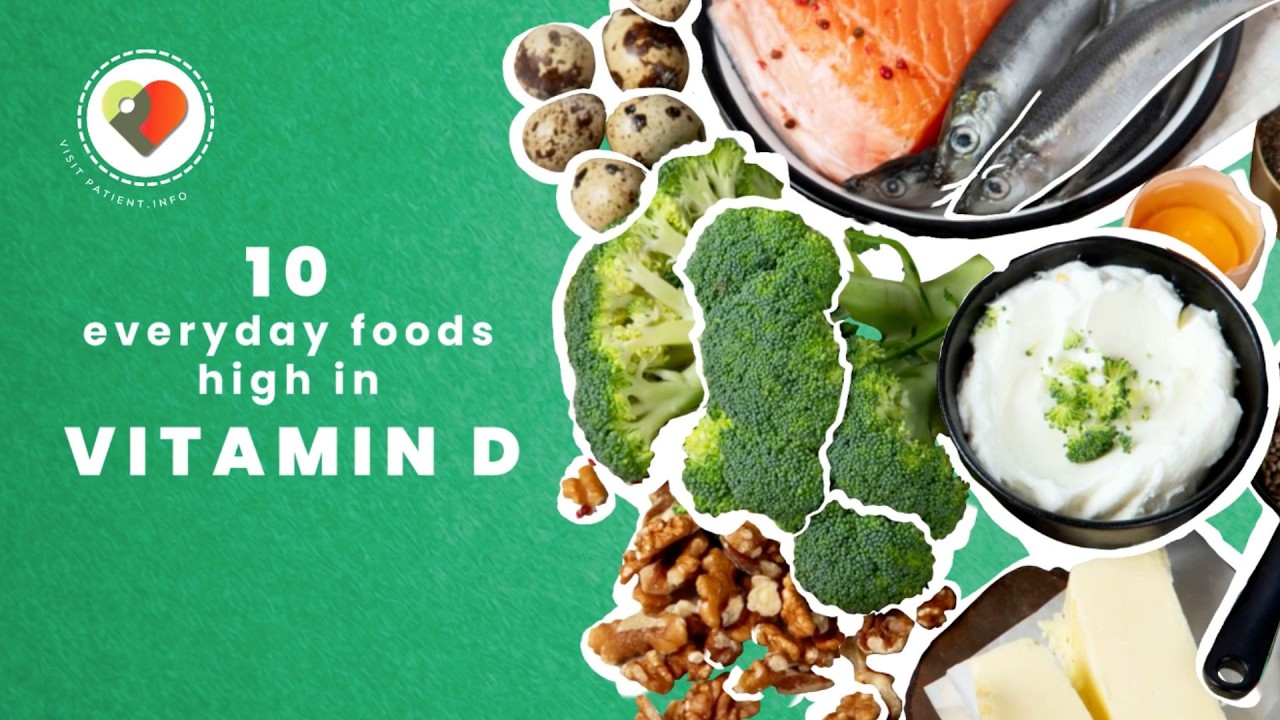
10 everyday foods high in vitamin D
Sunlight is our main source of vitamin D, but during the darker months, we may not get enough. That’s why a daily vitamin D supplement is recommended in winter, alongside vitamin D-rich foods to boost your intake: [https://patient.info/features/diet-and-nutrition/foods-high-in-vitamin-d](https://patient.info/features/diet-and-nutrition/foods-high-in-vitamin-d) *Visuals: Ben Hudson* *Audio: Victoria Raw* #VitaminD #WinterWellness #NutritionTips #HealthyEating #ImmuneHealth #NutritionEducation #Wellbeing #PatientInfo
Medicine
Calcium with colecalciferol
Calcium with colecalciferol is a mineral and vitamin D supplement. It promotes bone strength and helps to prevent 'thinning' of the bones (osteoporosis). Make sure you know how to take the preparation you have been given. Some brands of tablets are swallowed with water, others are chewable, and others are dissolved in water. The contents of sachets should be mixed into water before taking. Read the label carefully, and if you are still unsure what to do, ask your pharmacist for advice.
by Michael Stewart, MRPharmS

Medicine
Dihydrotachysterol
Dihydrotachysterol is a type of vitamin D. It helps your body absorb calcium. Make sure you understand how much to take and when to take it. You will need to have regular blood tests while you are taking this medicine so that your doctor can make sure the dose is right for you. Make sure you know the symptoms of too much calcium in your blood - these are losing your appetite, feeling thirsty, being sick (vomiting), feeling tired, and losing weight. See your doctor if you develop these symptoms.
by Michael Stewart, MRPharmS

Risks of diabetes
What can someone with type 1 diabetes do to stop their glucose going too high?
Dr Sarah Jarvis MBE For more information on continuous glucose monitoring, go to [https://patient.info/health/type-1-diabetes/features/continuous-glucose-monitoring-in-type-1-diabetes](https://patient.info/health/type-1-diabetes/features/continuous-glucose-monitoring-in-type-1-diabetes)
by Dr Sarah Jarvis

Type 1 diabetes
How do you know if you have type 1 diabetes?
Dr Partha Kar The symptoms tend to develop quite quickly, over a few days or weeks. After treatment is started, the symptoms soon settle and go. However, without treatment, the blood sugar (glucose) level becomes very high and acids form in the bloodstream (ketoacidosis). [https://patient.info/health/type-1-diabetes#nav-1](https://patient.info/health/type-1-diabetes#nav-1)
by Dr Partha Kar, FRCP

Diabetes Q&A
What is diabetes?
Dr Parta Kar There are two main types of diabetes mellitus, which are called type 1 diabetes and type 2 diabetes. Type 1 usually first presents in children or in young adults. Type 2 is more associated with being overweight and most often first presents in people over the age of 40 years. However, type 2 diabetes is increasingly diagnosed in children and in young adults. Find out more here: [https://patient.info/health/diabetes-mellitus-leaflet](https://patient.info/health/diabetes-mellitus-leaflet)
by Dr Partha Kar, FRCP
Related patient information and medicines

Patient information leaflet
Marfan syndrome
This can cause back pain and also weakness and numbness in the legs. It can also cause headaches. What causes Marfan syndrome. Marfan syndrome is caused by a change (mutation) in the genetic material on one of your chromosomes (chromosome number 15). The gene that is affected is responsible for making a special protein called fibrillin. The gene.

Patient information leaflet
The immune system
This leaflet gives a brief overview of the immune system and how it works. A person with a weak immune system might have difficulty fighting off infections. In autoimmune diseases the body is unable to tell what is its own and what is foreign, so it attacks itself. Autoimmune diseases can attack any part of the body - eg, type 1 diabetes.

Patient information leaflet
Can I take Atorvastatin and Fibre supplements together?
This means the statin may not work as well to lower your cholesterol. Why this happens Fibre supplements (like psyllium husk or methylcellulose) can bind to the atorvastatin in your stomach or intestines, preventing it from entering your bloodstream. What you should do You do not need to stop taking fibre, but you should separate the doses. Our.

Patient information leaflet
Can I take Bisoprolol and Fibre supplements together?
Taking them without enough liquid can cause the supplement to swell a... Using other medicines Taking multiple medicines. Our Medicines Interaction Checker helps you check whether your prescriptions, over-the-counter medicines, and supplements are safe to take together. Simply search for your medicines to see potential interactions and what to do.

Patient information leaflet
Polycystic kidney disease
Polycystic kidney disease (PKD) causes many fluid-filled sacs (cysts) to develop in the kidneys. The most common type of PKD is an inherited condition called autosomal dominant polycystic kidney disease (ADPKD). Although people with PKD often develop kidney failure (end-stage kidney disease) between ages 55 to 65 years, some people with PKD have a.

Patient information leaflet
COVID-19
COVID-19 is an infectious disease caused by a virus that was first identified in December 2019 in Wuhan, China. This leaflet deals with the symptoms, causes and treatment of COVID-19. What is COVID-19. COVID-19 is an infectious disease caused by a virus (SARS CoV-2). COVID-19 is short for "coronavirus disease 2019", because the disease was first.
Further reading and references
- ATP binding cassette subfamily D member 1; MedlinePlus, National Library of Medicine.
- Hillebrand M, Verrier SE, Ohlenbusch A, Schafer A, Soling HD, Wouters FS, Gartner J. Live cell FRET microscopy: homo- and heterodimerization of two human peroxisomal ABC transporters, the adrenoleukodystrophy protein (ALDP, ABCD1) and PMP70 (ABCD3). J Biol Chem. 2007 Sep 14;282(37):26997-27005. doi: 10.1074/jbc.M702122200. Epub 2007 Jul 3.
- Hoftberger R, Kunze M, Weinhofer I, Aboul-Enein F, Voigtlander T, Oezen I, Amann G, Bernheimer H, Budka H, Berger J. Distribution and cellular localization of adrenoleukodystrophy protein in human tissues: implications for X-linked adrenoleukodystrophy. Neurobiol Dis. 2007 Nov;28(2):165-74. doi: 10.1016/j.nbd.2007.07.007. Epub 2007 Aug 29.
- Kemp S, Pujol A, Waterham HR, van Geel BM, Boehm CD, Raymond GV, Cutting GR, Wanders RJ, Moser HW. ABCD1 mutations and the X-linked adrenoleukodystrophy mutation database: role in diagnosis and clinical correlations. Hum Mutat. 2001 Dec;18(6):499-515. doi: 10.1002/humu.1227.
- Morita M, Imanaka T. Peroxisomal ABC transporters: structure, function and role in disease. Biochim Biophys Acta. 2012 Sep;1822(9):1387-96. doi: 10.1016/j.bbadis.2012.02.009. Epub 2012 Feb 17.
- Pohl A, Devaux PF, Herrmann A. Function of prokaryotic and eukaryotic ABC proteins in lipid transport. Biochim Biophys Acta. 2005 Mar 21;1733(1):29-52. doi: 10.1016/j.bbalip.2004.12.007. Epub 2004 Dec 31.
- Wanders RJ, Waterham HR. Peroxisomal disorders I: biochemistry and genetics of peroxisome biogenesis disorders. Clin Genet. 2005 Feb;67(2):107-33. doi: 10.1111/j.1399-0004.2004.00329.x.
Share your thoughts or experiences with others in our patient communities.
Simple access to trusted treatments and health services online.
Common conditions
Get help with common conditions through the NHS, without a GP appointment.





Sign up to the Patient newsletter
Your weekly dose of clear, trustworthy health advice - written to help you feel informed, confident and in control.
By subscribing you accept our Privacy Policy. You can unsubscribe at any time. We never sell your data.