What can someone with type 1 diabetes do to stop their glucose going too high?
Published 17 Sept 2018Watch time: 1 min 17 sec
Meets Patient’s editorial guidelines
Watch this video
Dr Sarah Jarvis MBE
For more information on continuous glucose monitoring, go to https://patient.info/health/type-1-diabetes/features/continuous-glucose-monitoring-in-type-1-diabetes




Health and wellness video library
Type 1 diabetes videos
Our type 1 diabetes video hub features expert-led videos covering everything you need to know—from what causes type 1 diabetes and its common symptoms, to how it’s treated and the possible complications to watch out for. Whether you’re newly diagnosed or supporting someone with the condition, these videos are here to help you take control and live well.
by Lawrence Higgins

Diabetes
Type 1 diabetes
Type 1 diabetes is the type of diabetes that typically develops in children and in young adults. In type 1 diabetes the body stops making insulin and the blood sugar (glucose) level goes very high. Treatment to control the blood glucose level is with insulin injections and a healthy diet. Other treatments aim to reduce the risk of complications. They include reducing blood pressure if it is high and advice to lead a healthy lifestyle.
by Dr Colin Tidy, MRCGP
Diabetes
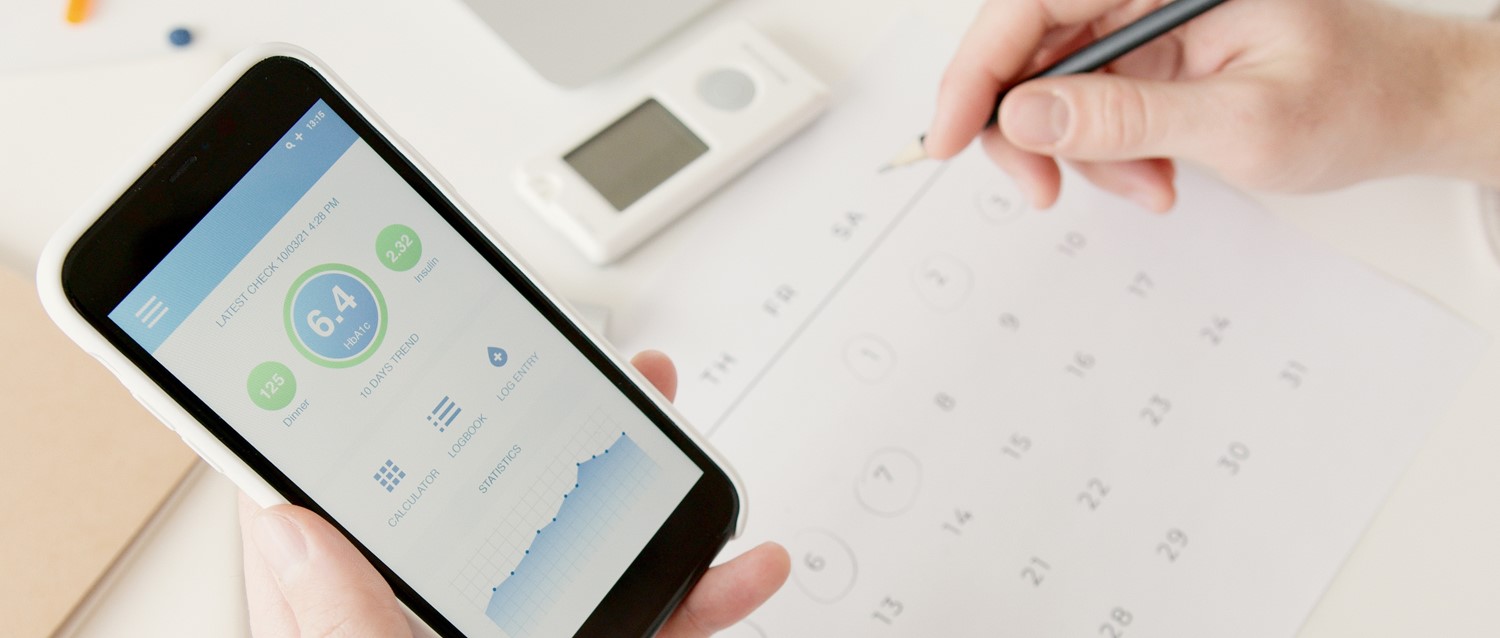
What is flash glucose monitoring and how can it help people with diabetes?
Technology is changing the way we live our lives and making it easier to live with health conditions such as diabetes. A flash glucose monitor, also called a flash, uses a sensor that is placed on the back of the upper arm and worn externally by the user. It is attached to a tiny needle that sits just under the skin. This allows glucose information to be monitored quickly and easily. But what exactly are these devices and what are the benefits?
by Lydia Smith
Diabetes
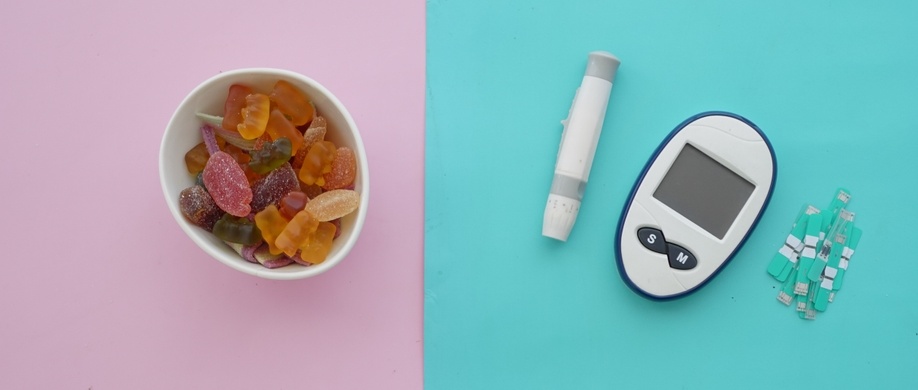
Living with diabetes - what you need to know
Whether you’ve just been diagnosed with diabetes or have been managing it for years, the more you understand your condition, the better you can manage it. We explore the steps you can take, what to watch out for, the questions you should ask, and the treatment you can expect. Read on for our tips and expert advice on the essentials of diabetes care to help you in your everyday life.
by Lawrence Higgins

Diabetes
Type 2 diabetes
Type 2 diabetes can occur at any age, including during childhood, but it occurs mainly in people aged over 40. The first-line treatment is diet, weight control and physical activity. The good news is that many people can stay well using these lifestyle measures. However if the blood sugar (glucose) level remains high then tablets to reduce the blood glucose level are usually advised. Insulin injections are needed in some cases. Other treatments include reducing blood pressure if it is high, lowering high cholesterol levels, and also other measures to reduce the risk of complications.
by Dr Colin Tidy, MRCGP

Diabetes
Continuous glucose monitoring in type 1 diabetes
Type 1 and type 2 diabetes are both potentially serious conditions which should always be taken seriously. They’re both diagnosed on the basis of high blood sugar. But in other respects they are very, very different. Type 2 is largely down to lifestyle – getting type 1 is absolutely nothing to do with whether you eat too much sugar, carry excess weight or don’t exercise enough. People with type 2 diabetes often never need insulin – those with type 1 need it from day one. Many people with type 2 diabetes never need treatment that carries a risk of disabling low blood sugar (hypoglycaemia) – people with type 1 live with this risk every day. As a result, many people with type 2 never need to check their blood sugar several times a day – for people with type 1, it’s a highly unwelcome occupational hazard.
by Dr Sarah Jarvis
Share your thoughts or experiences with others in our patient communities.