ATP binding cassette subfamily D member 4
Last updated 2 Aug 2022
Meets Patient’s editorial guidelines
- DownloadDownload
- Share
- Language
- Discussion
- Ask Patient
- Audio Version
- Add to preferred sources on Google
The ABCD4 gene provides instructions for making a protein that is involved in the conversion of vitamin B12 (also known as cobalamin) into one of two molecules, adenosylcobalamin (AdoCbl) or methylcobalamin (MeCbl). AdoCbl is required for the normal function of an enzyme known as methylmalonyl CoA mutase. This enzyme helps break down certain protein building blocks (amino acids), fat building blocks (fatty acids), and cholesterol. AdoCbl is called a cofactor because it helps methylmalonyl CoA mutase carry out its function. MeCbl is also a cofactor, but for an enzyme known as methionine synthase. This enzyme converts the amino acid homocysteine to another amino acid, methionine. The body uses methionine to make proteins and other important compounds.
Video picks for GenesVideo library
Normal function
The ABCD4 gene provides instructions for making a protein that is involved in the conversion of vitamin B12 (also known as cobalamin) into one of two molecules, adenosylcobalamin (AdoCbl) or methylcobalamin (MeCbl). AdoCbl is required for the normal function of an enzyme known as methylmalonyl CoA mutase. This enzyme helps break down certain protein building blocks (amino acids), fat building blocks (fatty acids), and cholesterol. AdoCbl is called a cofactor because it helps methylmalonyl CoA mutase carry out its function. MeCbl is also a cofactor, but for an enzyme known as methionine synthase. This enzyme converts the amino acid homocysteine to another amino acid, methionine. The body uses methionine to make proteins and other important compounds.
The ABCD4 protein is found in the membrane that surrounds cell structures called lysosomes. Lysosomes are compartments within cells in which enzymes digest and recycle materials. In the lysosomal membrane, the ABCD4 protein interacts with another protein called LMBD1 (produced from the LMBRD1 gene). Together, these two proteins transport vitamin B12 out of lysosomes, making it available for further processing into AdoCbl and MeCbl.
Conditions referring to this gene or chromosome
Other names
69 kDa peroxisomal ABC-transporter
ABC41
ATP-binding cassette sub-family D member 4
ATP-binding cassette, sub-family D (ALD), member 4
EST352188
MAHCJ
P70R
P79R
peroxisomal membrane protein 69
PMP69
PMP70-related protein
PXMP1-L
PXMP1L
Patient picks for Genes

Preventative health
Seated Figure 4 Hamstring Stretch
The Seated Figure 4 Hamstring Stretch, is an effective and simple way to stretch your glutes, hips, hamstrings and lower back.
Nutrition and diet
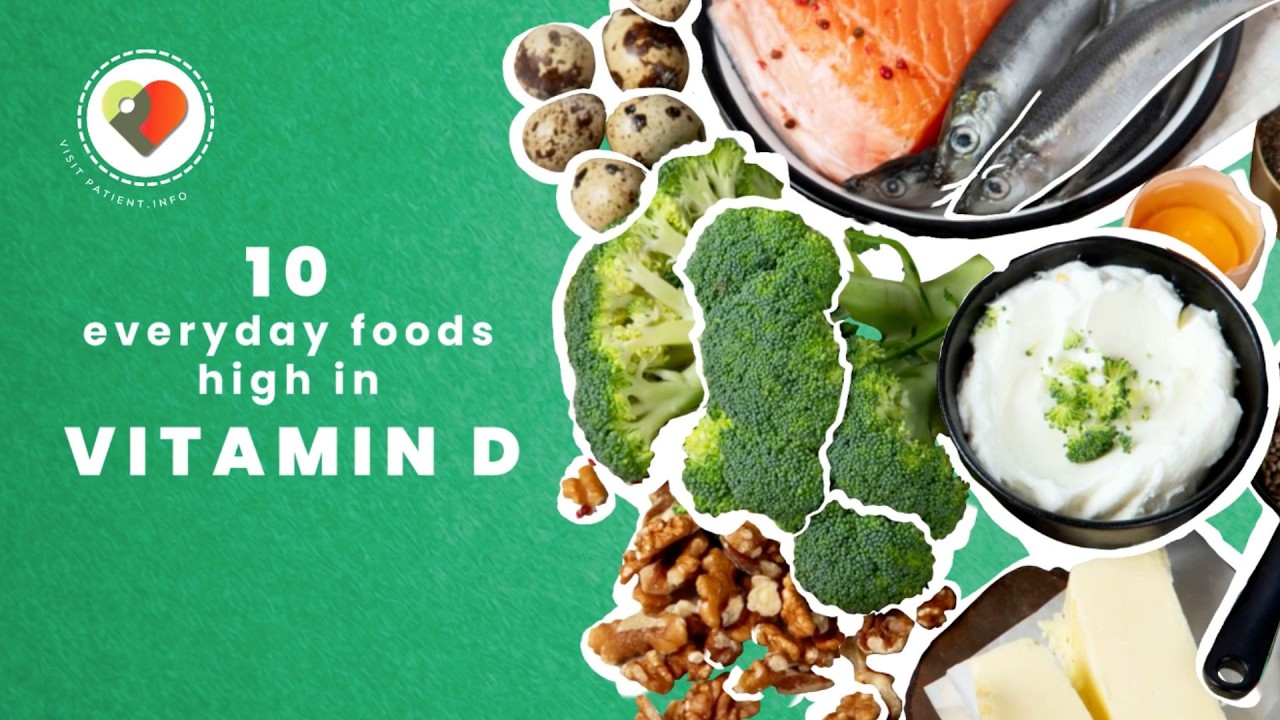
10 everyday foods high in vitamin D
Sunlight is our main source of vitamin D, but during the darker months, we may not get enough. That’s why a daily vitamin D supplement is recommended in winter, alongside vitamin D-rich foods to boost your intake: [https://patient.info/features/diet-and-nutrition/foods-high-in-vitamin-d](https://patient.info/features/diet-and-nutrition/foods-high-in-vitamin-d) *Visuals: Ben Hudson* *Audio: Victoria Raw* #VitaminD #WinterWellness #NutritionTips #HealthyEating #ImmuneHealth #NutritionEducation #Wellbeing #PatientInfo
Medicine
Dihydrotachysterol
Dihydrotachysterol is a type of vitamin D. It helps your body absorb calcium. Make sure you understand how much to take and when to take it. You will need to have regular blood tests while you are taking this medicine so that your doctor can make sure the dose is right for you. Make sure you know the symptoms of too much calcium in your blood - these are losing your appetite, feeling thirsty, being sick (vomiting), feeling tired, and losing weight. See your doctor if you develop these symptoms.
by Michael Stewart, MRPharmS
Medicine
Calcium with colecalciferol
Calcium with colecalciferol is a mineral and vitamin D supplement. It promotes bone strength and helps to prevent 'thinning' of the bones (osteoporosis). Make sure you know how to take the preparation you have been given. Some brands of tablets are swallowed with water, others are chewable, and others are dissolved in water. The contents of sachets should be mixed into water before taking. Read the label carefully, and if you are still unsure what to do, ask your pharmacist for advice.
by Michael Stewart, MRPharmS

Gonorrhoea
What are the long term effects of gonorrhoea?
Dr Rosemary Leonard In women, the infection can spread to the womb (uterus) to cause pelvic inflammatory disease. This can cause long-standing (chronic) pelvic pain and can lead to infertility. In men, the infection can travel up the urethra to the prostate gland. It may also cause infection of the testicles or the tubes around them. [https://patient.info/health/sexually-transmitted-infections-leaflet/gonorrhoea#nav-4](https://patient.info/health/sexually-transmitted-infections-leaflet/gonorrhoea#nav-4)
by Dr Rosemary Leonard MBE, MRCGP
Medicine
Doxycycline tablets and capsules
Take doxycycline with plenty of water. Stand or sit up to take your doses - this will stop the capsules/tablets from causing any irritation to your throat. Make sure you continue to take the medicine until you finish the full course prescribed. Do not take indigestion remedies, or supplements containing iron, magnesium, or zinc at the same time as doxycycline as they stop it from working properly. The most common side effects of doxycycline are diarrhoea, upset stomach, stomach pain, and headache.
by Michael Stewart, MRPharmS
Related patient information and medicines
Patient information leaflet
Can I take Atorvastatin and Fibre supplements together?
This means the statin may not work as well to lower your cholesterol. Why this happens Fibre supplements (like psyllium husk or methylcellulose) can bind to the atorvastatin in your stomach or intestines, preventing it from entering your bloodstream. What you should do You do not need to stop taking fibre, but you should separate the doses. Our.

Patient information leaflet
Wilson's disease
Wilson's disease is a genetic disorder in which copper builds up in the body, mainly in the liver and brain. Without any treatment, the build-up of copper can cause serious symptoms. Treatment is with medication to remove the excess copper and/or to prevent a further build-up of copper. What is Wilson's disease. Wilson's disease is a condition.

Patient information leaflet
The immune system
We are. The immune system is the body's defence against disease-causing microbes (pathogens). Lymphatic system lymphatic system The immune system is made up of non-specialised defences such as your skin (acting as a barrier) and strong acid stomach juices. However it also has some highly specialised defences which give you resistance to particular.
Patient information leaflet
Can I take Bisoprolol and Fibre supplements together?
Taking them without enough liquid can cause the supplement to swell a... Using other medicines Taking multiple medicines. Our Medicines Interaction Checker helps you check whether your prescriptions, over-the-counter medicines, and supplements are safe to take together. Simply search for your medicines to see potential interactions and what to do.

Patient information leaflet
Polycystic kidney disease
Polycystic kidney disease (PKD) causes many fluid-filled sacs (cysts) to develop in the kidneys. The most common type of PKD is an inherited condition called autosomal ... Although people with PKD often develop kidney failure (end-stage kidney disease) between ages 55 to 65 years, some people with PKD have a mild disease and do not progress to.
Patient information leaflet
Can I take Atorvastatin and Biotin together?
Why this happens Atorvastatin is processed by specific liver enzymes (CYP3A4), while biotin (Vitamin B7) is a water-soluble vitamin that uses different pathways for absorption and processing. They do not interfere wit... Using other medicines Taking multiple medicines. Our Medicines Interaction Checker helps you check whether your prescriptions,.
Further reading and references
- ATP binding cassette subfamily D member 4; MedlinePlus, National Library of Medicine.
- Coelho D, Kim JC, Miousse IR, Fung S, du Moulin M, Buers I, Suormala T, Burda P, Frapolli M, Stucki M, Nurnberg P, Thiele H, Robenek H, Hohne W, Longo N, Pasquali M, Mengel E, Watkins D, Shoubridge EA, Majewski J, Rosenblatt DS, Fowler B, Rutsch F, Baumgartner MR. Mutations in ABCD4 cause a new inborn error of vitamin B12 metabolism. Nat Genet. 2012 Oct;44(10):1152-5. doi: 10.1038/ng.2386. Epub 2012 Aug 26.
- Deme JC, Hancock MA, Xia X, Shintre CA, Plesa M, Kim JC, Carpenter EP, Rosenblatt DS, Coulton JW. Purification and interaction analyses of two human lysosomal vitamin B12 transporters: LMBD1 and ABCD4. Mol Membr Biol. 2014 Nov-Dec;31(7-8):250-61. doi: 10.3109/09687688.2014.990998.
- Kim JC, Lee NC, Hwu PW, Chien YH, Fahiminiya S, Majewski J, Watkins D, Rosenblatt DS. Late onset of symptoms in an atypical patient with the cblJ inborn error of vitamin B12 metabolism: diagnosis and novel mutation revealed by exome sequencing. Mol Genet Metab. 2012 Dec;107(4):664-8. doi: 10.1016/j.ymgme.2012.10.005. Epub 2012 Oct 16.
Share your thoughts or experiences with others in our patient communities.
Simple access to trusted treatments and health services online.
Common conditions
Get help with common conditions through the NHS, without a GP appointment.





Sign up to the Patient newsletter
Your weekly dose of clear, trustworthy health advice - written to help you feel informed, confident and in control.
By subscribing you accept our Privacy Policy. You can unsubscribe at any time. We never sell your data.